







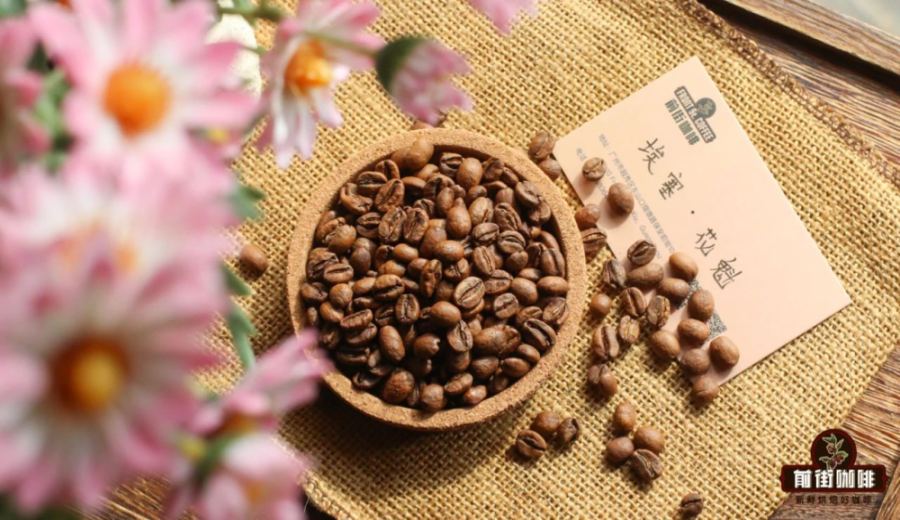
Introduction:The coffee from the Sidamo region, blessed with geographical and climatic diversity, boasts a rich tapestry of flavor profiles. This article delves into a detailed comparison between the natural and washed processing methods of Sidamo Huakui, examining everything from appearance and drying processes to aroma and taste. Practical pour over recommendations are also provided, including water temperature, grind size, coffee-to-water ratio, and brewing steps, to help coffee enthusiasts understand how different processing methods influence flavor and discover their personal favorite.
Located in southern Ethiopia, the Sidamo region is one of the country’s key coffee-producing areas. With agriculture as the economic backbone and coffee as the primary income source for local farmers, the region's diverse terrain, fertile soil, and unique microclimates nurture a wide variety of distinctive coffee cultivars. Among them, Sidamo Huakui stands out as one of the region’s flagship specialty coffees. Whether processed naturally or washed, it demonstrates high recognizability and exceptional cup quality. This article focuses on the differences between these two processing methods—covering everything from green bean appearance and processing workflows to the final cup profile—to give readers a comprehensive understanding of how the same coffee variety can express itself uniquely under different processing techniques.
Background of the Sidamo Region and Its Coffee Flavor Characteristics
Situated near the East African Rift Valley, Sidamo is one of Ethiopia’s major coffee-growing regions. Agriculture dominates the local economy, with coffee serving as the main livelihood for farmers. The region’s largest city, Hawassa, was once an important coffee distribution hub. The diverse and nuanced flavors found in Sidamo’s coffee are closely tied to variations in soil composition across different areas and the influence of microclimates—even neighboring villages may produce coffees with distinctly different profiles.
Fundamental Differences Between Natural and Washed Processing Methods
After harvest, Sidamo Huakui must be processed quickly to prevent over-fermentation and undesirable odors. The most common processing methods fall into two broad categories: natural (sun-dried) and washed. Both have a significant impact on the final cup’s aroma, acidity, body, and aftertaste. The natural process retains the coffee cherry’s flesh and mucilage, allowing the beans to develop richer fruitiness, sweetness, and a heavier body during drying. In contrast, the washed process removes the pulp and mucilage through fermentation and washing, resulting in a cleaner profile with brighter acidity and more clarity.
A Brand’s Natural Process Sidamo Huakui: Appearance and Processing Workflow
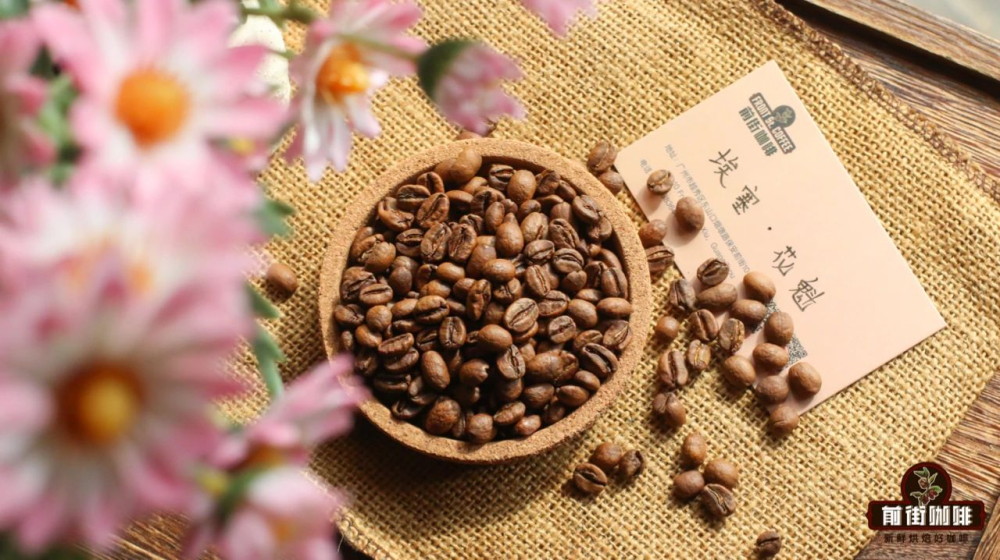
The natural-process version of Sidamo Huakui typically features smaller green beans with a yellowish-green hue. At the local processing facility, harvested coffee cherries are evenly spread on raised mesh racks and manually turned by workers to ensure uniform sun exposure. This drying process usually takes over two weeks. With ample sunlight and regular turning, the cherries gradually dry, allowing the mucilage and sugars to penetrate the seeds and impart intense tropical fruit aromas and a heavy, syrupy mouthfeel.
A Brand’s Washed Process Sidamo Huakui: Features and Processing Details
In comparison, the washed version of Huakui features uniformly vibrant green beans with a slight gray tint. The beans vary slightly in size, with some larger and others smaller. During processing, the fruit pulp is first removed, followed by fermentation and washing, and finally drying. This method highlights a cleaner, crisper acidity and a smoother mouthfeel, along with an elegant floral note. The washed beans can exhibit acidity that ranges from light to pronounced, while body can be adjusted based on processing details—offering a well-balanced profile with both sweetness and subtle spicy complexity.
Pour Over Recommendations and Actual Flavor Profiles
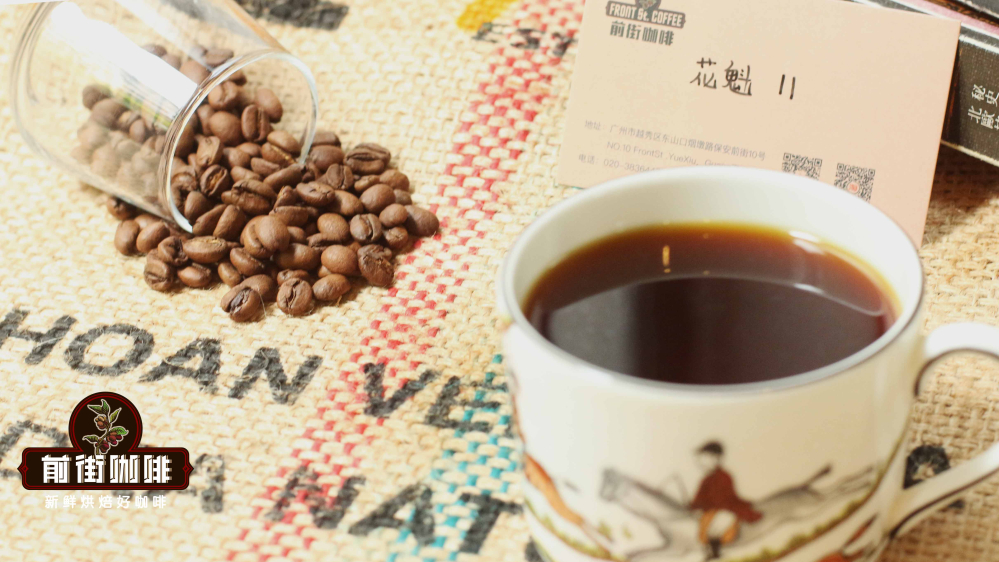
Below are practical pour over parameters that have proven effective for both natural and washed versions of Sidamo Huakui, helping coffee enthusiasts tailor their extraction methods according to personal taste preferences.
Pour Over Recommendation for Natural Process Sidamo Huakui:
– Dose: 15 grams
– Water Temperature: 90°C
– Grind Size: BG 6S (medium-fine, similar to fine sugar)
– Filter: V60
– Coffee-to-Water Ratio: 1:15
– Steps: First pour 30 grams of water, bloom for 30 seconds; continue pouring to 120 grams then pause; final pour up to 225 grams total, with optional channeling at the end. Total brew time is approximately 2 minutes and 2 seconds.
Flavor Profile: Pronounced fermentation aromas with notes of strawberry, jackfruit, and passionfruit. The finish has a soft black tea-like quality, with outstanding sweetness throughout.
Pour Over Recommendation for Washed Process Sidamo Huakui:
– Dose: 15 grams
– Water Temperature: 92°C
– Grind Size: BG 6S
– Filter: V60
– Coffee-to-Water Ratio: 1:14
– Steps: First pour 30 grams of water, bloom for 30 seconds; continue pouring to 125 grams then pause; final pour up to 220 grams, with optional discard of the last drops. Total brew time is approximately 2 minutes and 5 seconds.
Flavor Profile: Starts with a bright citrus acidity, complemented by jasmine floral notes and berry undertones. The cup is clean and refreshing, with a lingering finish of citrus and floral sweetness.
With the parameters and descriptions above, whether you prefer a rich, sweet cup or a bright, crisp one, you can explore the endless possibilities of Sidamo Huakui under different processing methods by adjusting water temperature, grind size, and brewing techniques to suit your taste.
The above content is compiled by CoffeeHunters, a coffee news website.


