







Introduction:Many coffee enthusiasts mistakenly believe that as long as the coffee beans remain unopened, they can be stored for a long time without affecting their flavor. In reality, the aroma and taste of coffee beans gradually fade over time, and even if they don’t spoil, they can no longer deliver their best performance. This article delves into the changes in aroma from post-roasting to storage, the length of the optimal consumption window, whether an unopened bag truly extends shelf life, the oxidation rate of ground coffee, and the pros and cons of common storage methods. It helps you master the correct preservation techniques to enjoy coffee at its peak flavor.
Many coffee lovers have the habit of buying large quantities of coffee beans at once, thinking that as long as the packaging remains sealed, it’s fine to store them for two or three months. However, even if the coffee beans do not spoil in a sealed state, their aroma and flavor will gradually diminish over time. Many consumers confuse the “freshness period” with the “shelf life” of coffee beans, or even assume they are the same. This article will comprehensively introduce considerations for storing coffee beans—from the transformation of aroma after roasting, the optimal drinking window, whether unopened packaging can extend shelf life, why ground coffee oxidizes easily, to comparisons of different storage methods—so you can grasp the best time to enjoy your coffee and experience its optimal flavor.
It is often believed that freshly ground coffee beans are equivalent to freshness, but that’s not entirely true. The key to fresh coffee lies not only in whether it is freshly ground, but more importantly, whether it is recently roasted. The aroma of coffee typically peaks within a few days after roasting, during which the flavors are richest and most layered. Therefore, if you want to fully experience the multiple aromas and regional characteristics of coffee, choosing beans that have been roasted not long ago is crucial.
However, brewing coffee immediately after roasting is not necessarily the best choice. During the first one or two days after roasting, the internal aroma of the coffee beans has not yet fully stabilized, and brewing at this stage may not showcase their full potential. It is recommended to let freshly roasted coffee beans rest for three to four days to undergo “degassing,” allowing the internal carbon dioxide to release moderately and the flavors to become more balanced. Usually, coffee packaging indicates the roast date, and consumers can use this to calculate the best time to brew.
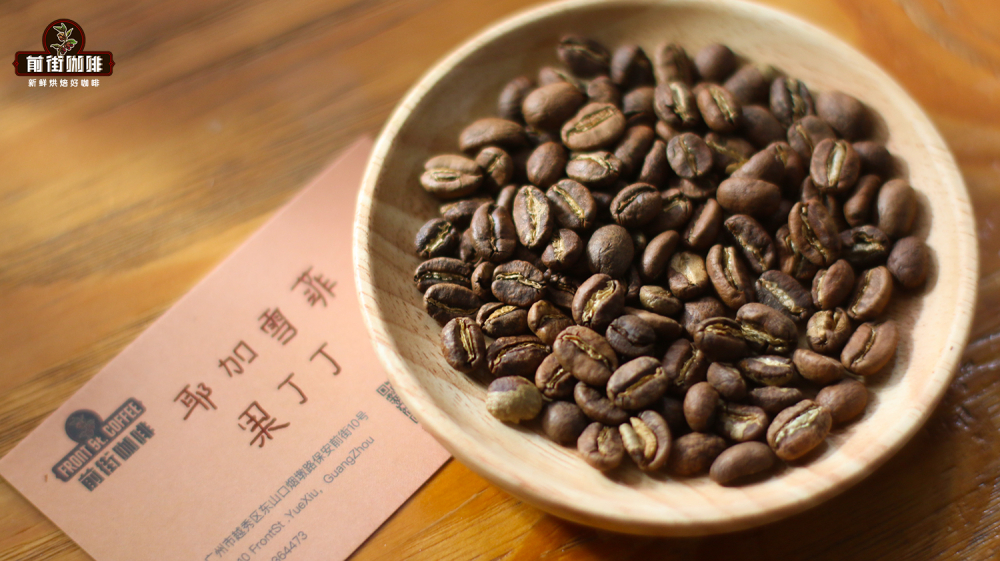
The aroma and flavor of coffee beans are usually at their best within one month after roasting, which is also the “optimal consumption period” widely recognized in the industry. As time goes on, the oils in the coffee beans gradually oxidize, leading not only to a weakening of aroma but also potentially producing undesirable off-flavors. Although from a food safety perspective, coffee beans remain safe to drink even after a month, the flavor performance is often significantly compromised. Therefore, if you’re aiming for the best taste, it is recommended to finish the coffee within one month after roasting.
As for the general “shelf life,” according to food-related regulations, the shelf life of coffee products is usually one year. This means that even after the optimal consumption period, coffee beans can still remain unspoiled if unopened and stored properly, though their aroma and flavor will no longer be at their best. If a consumer only views coffee as a daily pick-me-up, finishing it within a year is perfectly fine.
Some consumers believe that as long as the coffee beans are unopened, they can be stored for even longer. However, even unopened coffee beans still contain air inside the packaging, and the aroma will still slowly dissipate. Even so-called “vacuum packaging” cannot achieve a completely oxygen-free environment, and placing coffee beans in the refrigerator may cause moisture condensation that affects quality. Therefore, even if unopened, it is still recommended to consume them within a month, especially for single-origin coffee beans where flavor is highly valued.
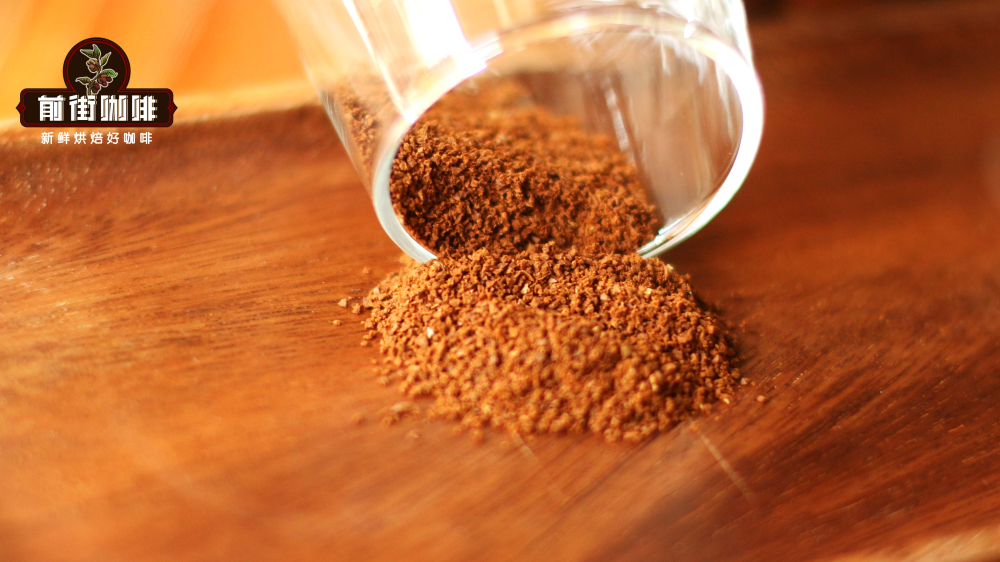
It is particularly important to note that the above recommendations mainly apply to the “optimal consumption period” of single-origin coffee beans. If the beans have already been ground into coffee powder, due to the significantly increased surface area exposed to air, oxidation occurs faster, and aroma loss is more pronounced. Especially in humid environments, coffee powder tends to absorb moisture, further affecting flavor and even producing off-odors. Therefore, it is best to use ground coffee within two weeks after grinding to enjoy better flavor.
For opened coffee beans, the method of storage becomes even more critical. Here are several common and practical storage methods:
1. One-way valve packaging
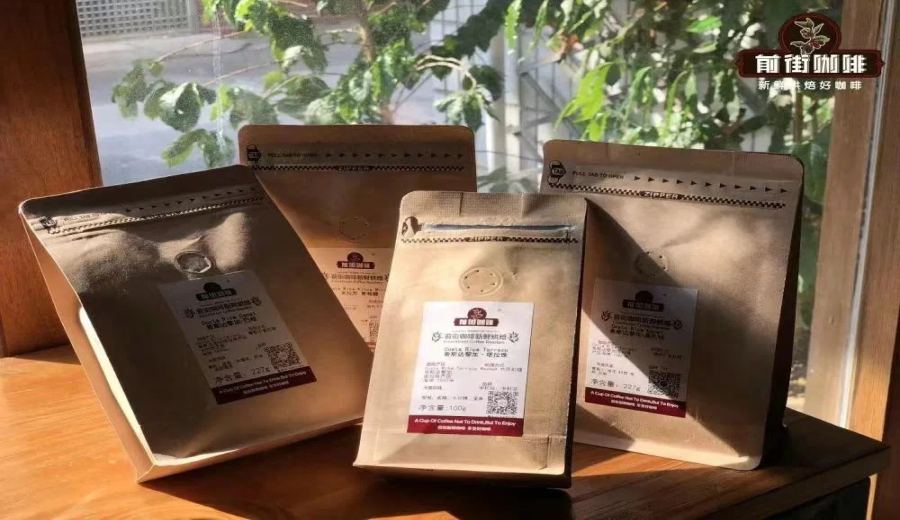
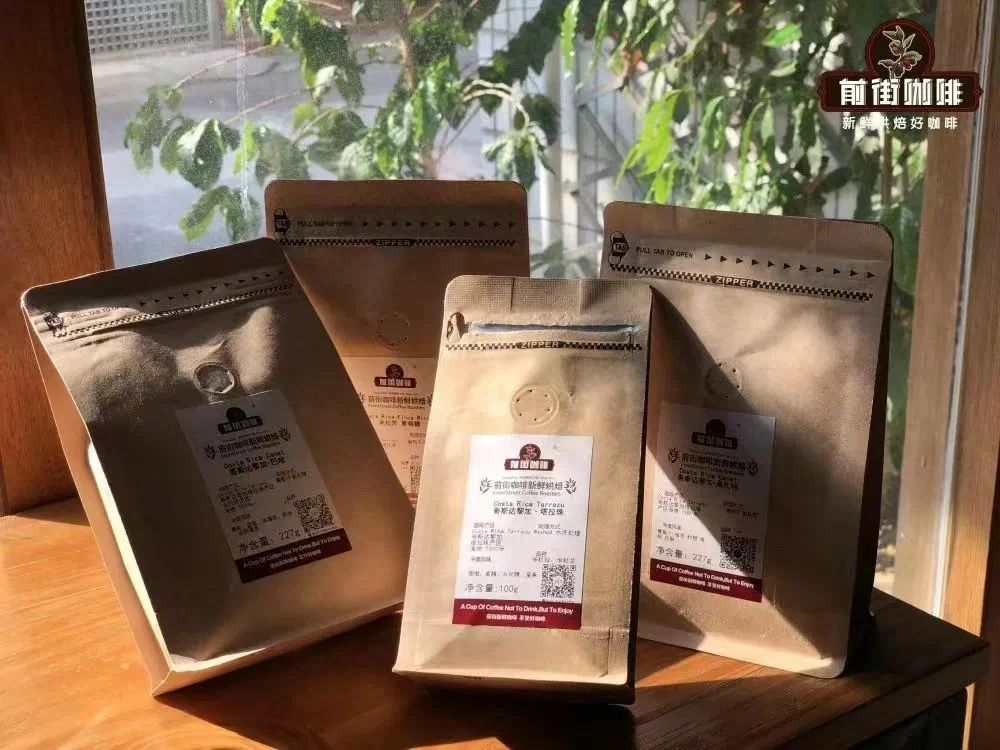
Many coffee packages come with a one-way valve, which allows the carbon dioxide released by the beans after roasting to escape through the valve while preventing outside air from entering. After each use, it is recommended to press the sealing strip tightly and squeeze out as much excess air as possible from the bag. Since carbon dioxide is heavier than air, it will settle at the bottom, and squeezing helps reduce oxygen concentration, thereby slowing down aroma loss.
2. Sealed jar storage
Using a sealed jar can effectively block external air, but it’s important to note that most sealed jars are made of transparent material, making them susceptible to light exposure. Additionally, each time the jar is opened, air—and therefore oxygen—enters, which accelerates the oxidation of the beans. Therefore, if using a sealed jar, it is advisable not to store too much coffee at once to minimize air exposure.
3. Vacuum jar
A vacuum jar can remove air from inside, reducing oxygen concentration, but these are also often transparent, making it difficult to avoid light exposure. Moreover, each opening and closing alters the internal and external pressure, which may accelerate the evaporation of aromatic compounds. Therefore, if you want to maintain the original flavor of the coffee beans, it is still recommended to use the original one-way valve packaging, and store it in a cool, dry, and dark place.
In summary, the key to preserving the flavor of coffee beans lies in minimizing oxygen exposure, controlling environmental humidity and light, and understanding the optimal consumption period. No matter which storage method you choose, it is recommended to buy an appropriate amount based on your frequency of consumption and enjoy the beans when they are freshest, in order to truly savor the subtlety and layers of coffee.
The above content is compiled by CoffeeHunters, a coffee news website.


