







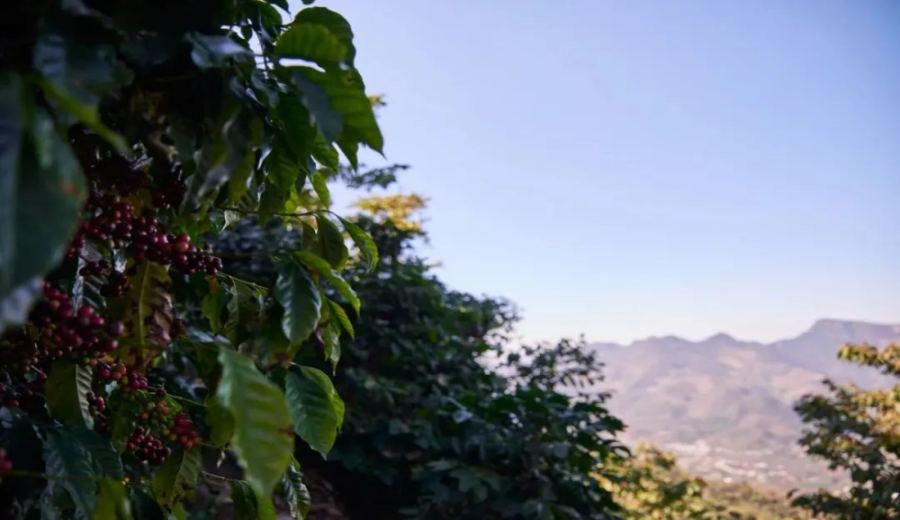
Introduction:Guatemala’s diverse terrain and microclimates give rise to eight distinctive coffee-growing regions, each with unique flavor profiles — from the smoky spices of Antigua to the bright acidity of Huehuetenango. This article delves into the geographical conditions, washed processing methods, and flavor profiles of each region, along with recommended pour over parameters to help you fully grasp the essence of this exceptional Central American coffee origin.
Located in Central America, Guatemala boasts over 300 microclimates, combined with high altitudes and fertile volcanic soils, resulting in highly recognizable specialty coffee flavors. Whether you prefer bright acidity and fruity aromas or rich, balanced profiles with deep aftertastes, you’ll find your ideal choice among Guatemala’s eight regions.
These eight regions each exhibit unique coffee personalities based on their geographic location and microclimatic conditions. From the central highlands of Antigua to the highest-altitude Huehuetenango in the northwest, the interplay of soil, altitude, and climate in each area shapes distinctly different flavor expressions.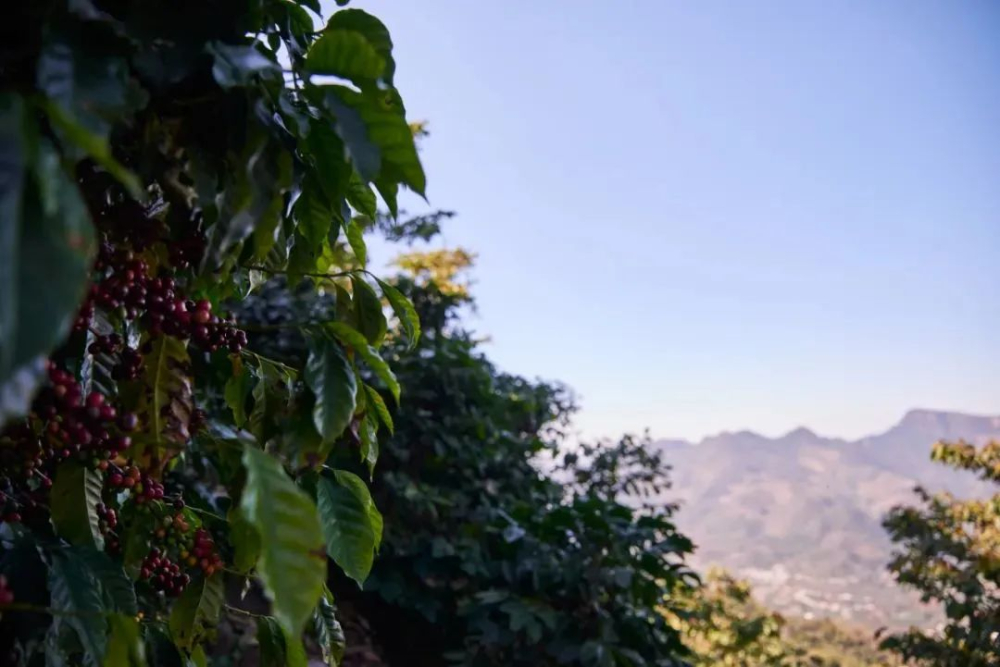
Guatemala is home to numerous volcanoes exceeding 3,000 meters in elevation. The country’s terrain is broadly divided into northern plains, central highlands, and southern coastal areas. Among them, the central highlands, with their high altitude and favorable day-night temperature variation, provide an ideal environment for cultivating high-quality Arabica coffee. The volcanic ash soil, enriched by active volcanism and abundant minerals, offers vital nutrients for coffee trees and is one of the keys to Guatemala’s distinctive coffee flavors.
The country’s coffee regions are generally divided into eight zones by the Guatemalan National Coffee Association (ANACAFE), based on altitude, climate, soil, and flavor characteristics. Among these, five regions — Antigua, Acatenango Valley, Atitlan, San Marcos, and Huehuetenango — are of volcanic origin, while Huehuetenango, Coban, and Nuevo Oriente belong to non-volcanic highland or tropical rainforest areas.
Antigua (Antigua)
The Antigua region lies within the mountain range that traverses the country, primarily situated on the Mesa Central plateau, making it one of Guatemala’s most iconic regions. Its high altitude, unique volcanic soils, and widespread use of shade-grown cultivation produce coffee beans with balanced acidity, rich spice notes, and often a delicate smoky finish. Most coffees from this region are washed processed, with full-bodied beans suitable for premium pour over or espresso bases. Recommended pour over grind size is medium-fine, water temperature around 90–92°C, with a 1:15 coffee-to-water ratio. Use a multi-pour method to highlight layering.
Huehuetenango (Huehuetenango)
Located in the northwestern highlands, Huehuetenango is the highest-altitude region in the country, with cultivation occurring between 1,800 and 2,100 meters above sea level. Coffees from here are known for their bright fruitiness, vibrant acidity, and light body, featuring refreshing flavors with tropical fruit and floral notes. Due to the dry climate but stable water sources, washed processing is commonly used here, resulting in clean and bright flavor profiles.
Coban (Coban)
Coban is located in the Alta Verapaz department, approximately 220 kilometers from the capital, and is famed for its year-round cloud-covered, humid tropical rainforest climate. Coffee here grows in high-altitude and high-humidity environments with a unique microclimate, often exhibiting a full body and gentle acidity, along with distinctive herbal and earthy tones due to the special geography.
Atitlan (Atitlan)
This region surrounds the famous volcanic lake of Atitlan and features volcanic soils rich in organic matter, with 90% of coffee planted on steep slopes. Daily lake breezes regulate the microclimate, giving the coffee a complex flavor structure with balanced sweetness and acidity, as well as rich layers. Most coffees here are traditionally washed processed, appealing to those who enjoy rounded mouthfeel intertwined with fruity notes.
Fraijanes (Fraijanes)
Surrounding the capital, the Fraijanes region has relatively high altitudes and a variable climate. Frequent volcanic activity enriches the soil with minerals, though it may also impact cultivation conditions. Coffees from this area often feature intense flavors and bold acidity, suitable for more experienced drinkers to explore.
San Marcos Volcanic Region (Volcanic San Marcos)
As the warmest and wettest of the eight regions, with annual rainfall reaching up to 5,000 mm, the high temperatures and humidity produce coffee with intense flavors and noticeable fermentation characteristics. Most farms operate their own washed processing facilities, using patio semi-drying followed by slow low-temperature roasting, resulting in unique sweetness and body.
Acatenango Region (Acatenango)
Situated on the slopes of the Acatenango volcano at an average altitude of 1,600 meters, this region is known for its soil rich in fresh volcanic ash. With clearly defined microclimates and distinct seasonal changes, it supports even ripening of coffee cherries, often yielding coffee with balanced acidity and sweetness, along with deep aromatic complexity.
Nuevo Oriente Region (New Oriente)
As the youngest region, its climate is similar to Coban’s, with year-round cloud cover and abundant rainfall. The soil, composed of metamorphic rocks, is rich in various trace elements, producing coffee often with unique herbal and fruity notes. It is an emerging region that has gradually gained recognition in recent years.
The main coffee varieties grown in Guatemala include Bourbon, Typica, Catuai, and Caturra, along with smaller amounts of Yellow Bourbon, Geisha, and Pacamara. Traditional varieties such as Typica and Bourbon are particularly prized. One coffee on a local supplier’s menu, named “Flor de Mayo,” uses Caturra and Bourbon, washed processed, showcasing delicate flavors of citrus, nuts, and cocoa.
In terms of grading, Guatemala classifies coffee based on altitude and flavor performance: above 1,300 meters is “Strictly Hard Bean (SHB),” 1,200–1,300 meters is “Hard Bean (HB),” and 900–1,050 meters is categorized as “Extra Prime Washed (EPW).”
For processing methods, Guatemala, like most Central American countries, primarily uses washed processing. The process includes: flotation to remove unripe cherries → removal of pulp and skin → fermentation to eliminate mucilage → thorough washing → drying. This method highlights clean, bright acidity and clear flavor lines.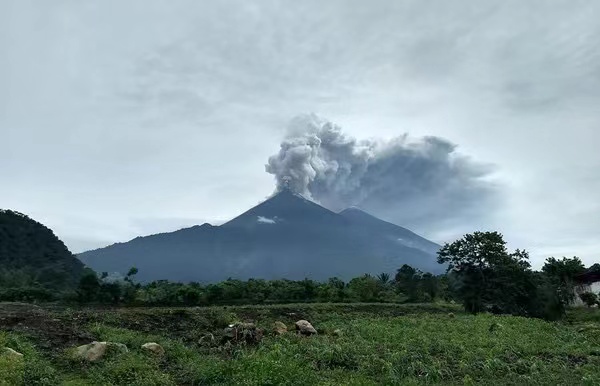
Overall, Guatemalan coffee is renowned for its Strictly Hard Beans, featuring lively acidity and layered aromas, often with notes of green apple, berries, jasmine, citrus, chocolate, and a hint of smoky finish. Whether enjoyed as a single origin or as a blend base, it showcases the classic charm of Central American coffee.
The above content is compiled by CoffeeHunters, a coffee news website.


