








Introduction:As Ethiopia’s most representative specialty coffee region, Yirgacheffe is renowned for its bright acidity and refreshing floral-fruit flavors, making it a top choice for many coffee enthusiasts starting their pour over journey. This article will detail the terroir characteristics of the region, the flavor differences between washed and natural processing methods, and provide professional-grade V60 pour over parameters—including coffee-to-water ratio, grind size, and staged pouring suggestions—to help you consistently brew a well-balanced, layered cup of Yirgacheffe.
Yirgacheffe is arguably one of the most familiar coffee origin names to specialty coffee lovers worldwide. This high-altitude town in Ethiopia’s Sidamo region became an independent producing area due to its uniquely distinctive and easily recognizable coffee, separating from the broader Sidamo region. Situated at an altitude of approximately 1,700 to 2,400 meters with an average annual rainfall of about 1,300 mm, the area features a varied microclimate and mineral-rich soil—conditions that together contribute to the coffee beans’ characteristic bright acidity and floral-fruit aromas.

Many first-time tasters of Yirgacheffe are often surprised to find that it doesn’t taste like the stereotypical “bitter and astringent” coffee. Instead, it offers a bright and lively acidity, a refreshing taste reminiscent of lemon tea, along with subtle floral notes. This distinctive flavor profile has made Yirgacheffe a staple on many coffee shop menus and a common choice for beginners trying pour over.
The unique flavors of Yirgacheffe coffee primarily stem from its high-altitude growing environment. The significant diurnal temperature variation at high altitudes slows down the growth rate of coffee cherries, facilitating the accumulation of flavor compounds. Coupled with the region’s phosphate-rich soil, this further enhances the expression of acidity and complexity in the coffee’s aroma. According to multiple cupping sessions, Yirgacheffe coffee typically exhibits bright flavor notes such as citrus, lemon, and white floral tones, with a clean and refreshing mouthfeel and a honey-like gentle sweetness in the aftertaste.

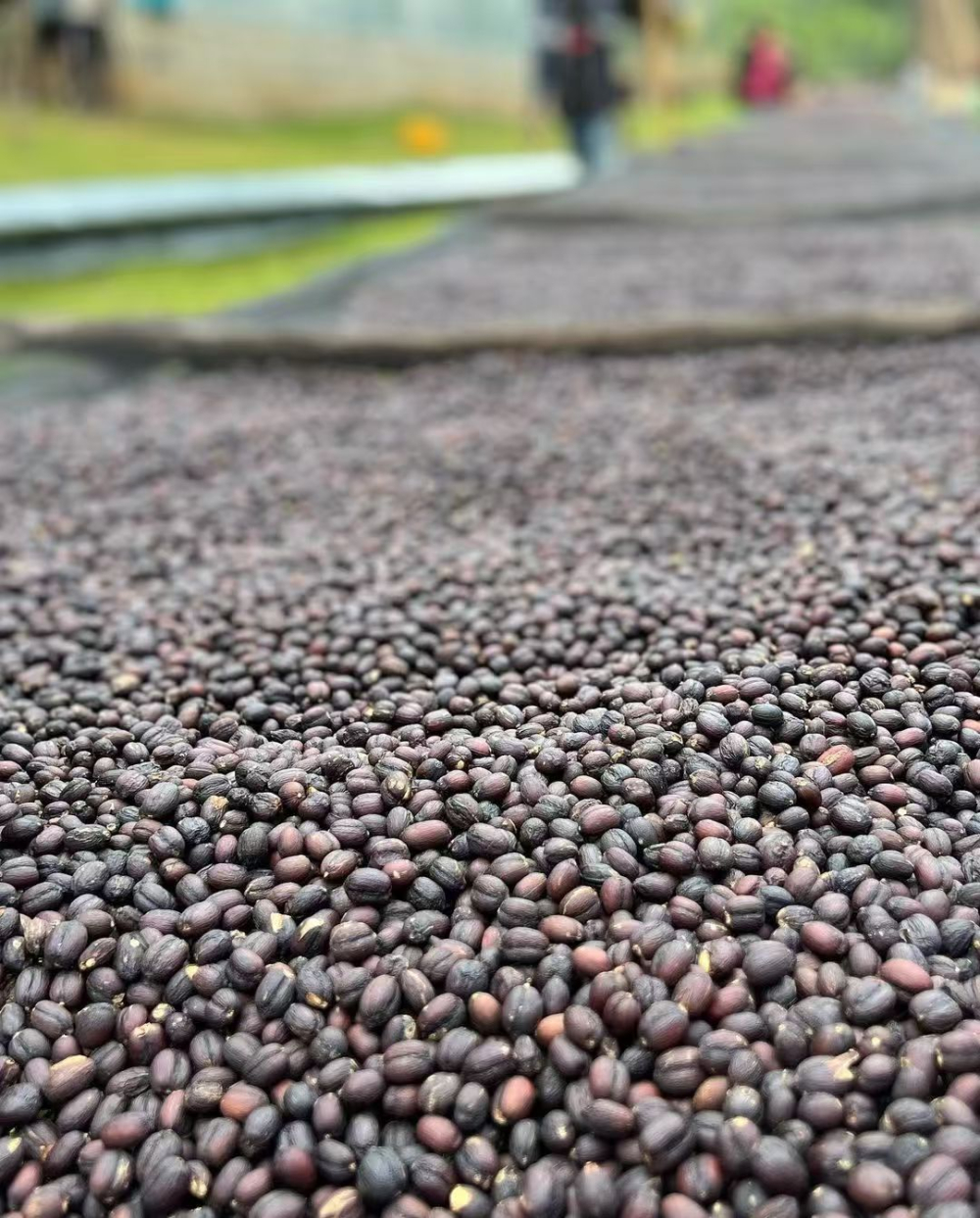
When discussing Yirgacheffe’s processing methods, one cannot overlook the region’s geographical environment. Located in a humid zone with abundant water resources, washed processing became the predominant method in the early days. By removing the fruit pulp and fermenting to eliminate the mucilage, washed processing highlights the coffee’s acidity and cleanliness, making Yirgacheffe’s citrus and floral traits more pronounced. However, prior to 1972, the traditional natural (sun-dried) processing method was more commonly used—that is, drying the entire coffee cherry in the sun. Though prone to impurity absorption and defect flavors, with technological improvements, the natural process can now also showcase a distinctly rich and sweet fruit character.
Compared to the washed version, naturally processed Yirgacheffe generally has lower acidity but a more pronounced sweetness, with a fuller body and complex layered flavors including various berries and tropical fruits. These beans often exhibit higher body and a fermentation-like character, appealing to those who enjoy bold and multifaceted flavors. For instance, the classic Natural Red Cherry is known for its white floral notes paired with tropical fruit aromas, performing excellently whether brewed via pour over, French press, or cold brew.
If you want to consistently brew a flavorful cup of Yirgacheffe at home using pour over, understanding key variables such as coffee-to-water ratio, water temperature, grind size, and pouring technique is essential. It is generally recommended to use a V60 dripper with a medium-fine grind size (approximately 78% passing through a Chinese standard No. 20 sieve, similar in size to fine sugar crystals), and to maintain a water temperature between 92–93°C to effectively bring out the floral-fruit aromas and acidity. A coffee-to-water ratio of 1:15 is advised—that is, using 225 grams of water for every 15 grams of coffee grounds—which helps achieve a balanced acidity and sweetness with moderate body.
In practice, it is recommended to pour in three stages: begin with a 30-second bloom using 30 grams of water to awaken the coffee grounds; then pour 95 grams of water within the first minute (totaling about 125 grams), ensuring even water flow through the coffee bed; once the water level drops to about two-thirds of the coffee bed, pour the final 100 grams (reaching a total of 225 grams). The entire extraction should be completed within 2 minutes and 10 seconds to 2 minutes and 30 seconds. This staged pouring approach minimizes channeling effects, leading to a more uniform extraction and helping avoid over- or under-extraction.
It’s worth noting that the freshness of the coffee beans significantly impacts flavor performance. It is recommended to choose Yirgacheffe coffee beans shipped within five days of roasting to achieve the fullest expression of aroma and flavor. Additionally, an overly coarse grind can lead to under-extraction and a thin flavor, while an overly fine grind may result in over-extraction and bitter, astringent off-notes when brewed at high temperatures. Therefore, selecting the appropriate grind size and precisely controlling water temperature are key to successful pour over brewing.
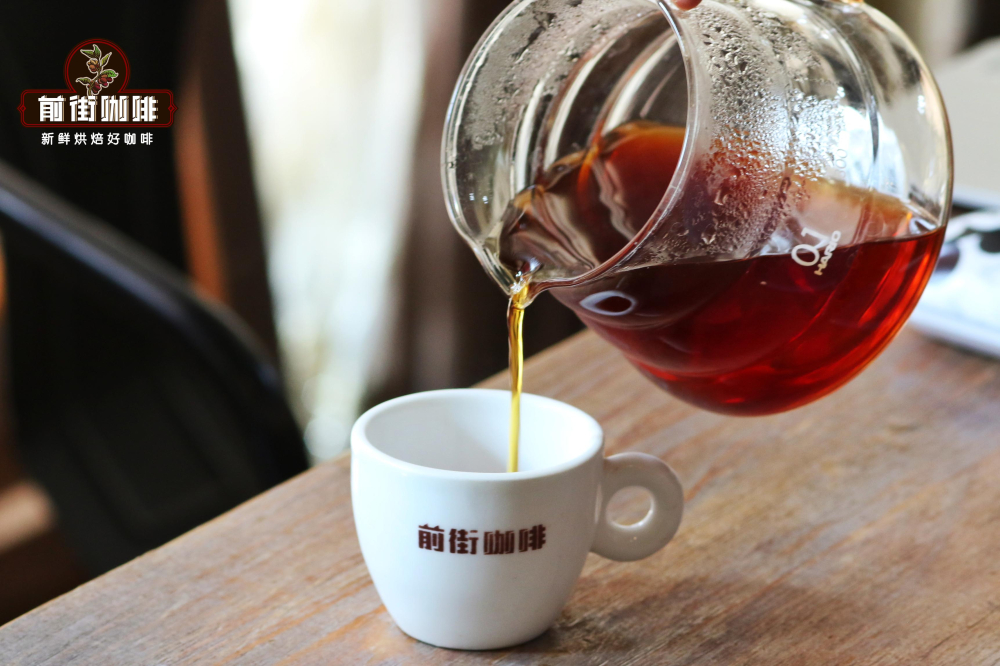
Overall, whether washed or naturally processed, Yirgacheffe boasts highly distinctive flavor profiles. The washed version is clean and bright, ideal for those who enjoy acidity and floral notes; the natural version is rich in sweetness with complex layers, suited for those who prefer bold, fruity flavors. With the right pour over parameters and techniques, you too can easily brew a cup of Yirgacheffe with Ethiopian character at home, experiencing its unique floral-fruit aromas and refreshing acidity.
The above content is compiled by CoffeeHunters, a coffee news website.


