







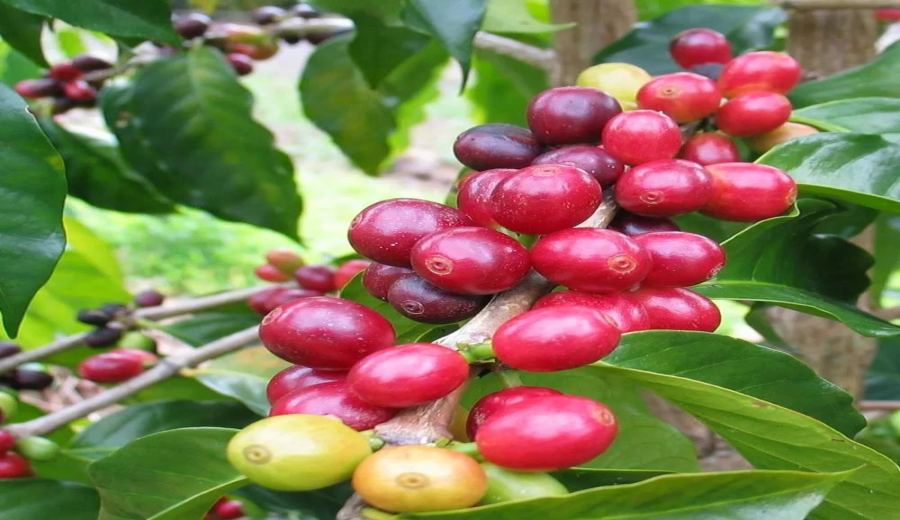
Introduction:Panama’s Geisha coffee from Hacienda Esmeralda is world-renowned for its distinctive floral and fruity aromas, but do you know the differences between the Red Label, Green Label, and Blue Label? This article provides an in-depth analysis of the grading criteria, altitude conditions, and flavor profiles of these three tiers, along with professional pour over recommendations and parameters to help you choose the most suitable Geisha beans based on your taste preferences, while mastering key brewing techniques to enhance your drinking experience.
When it comes to Panama Geisha, many people immediately think of Hacienda Esmeralda. This coffee variety, originally from Ethiopia, gained international fame thanks to the meticulous cultivation by Hacienda Esmeralda. However, it’s important to note that the native Ethiopian Geisha and the Esmeralda version are not the same variety, each exhibiting unique flavor characteristics—with the Esmeralda variant often regarded as the pinnacle of specialty coffee. The estate has established a rigorous grading system for its Geisha production, with the commonly seen Red Label, Green Label, and Blue Label representing what tiers? This article will explore the geographical environment of Panama and the developmental background of Hacienda Esmeralda, detailing the classification criteria, altitude requirements, and flavor features of the three tiers, along with pour over suggestions and practical parameters.
Panama’s ability to produce high-quality coffee is inseparable from its exceptional climate conditions. The country borders Costa Rica and Colombia, and its east-west oriented terrain allows cool air to converge along the Central Mountain Range, particularly in the Boquete (Boquete) and Piedra de Candela (Piedra de Candela) regions at altitudes above 1900 meters, creating a unique microclimate. With moderate temperatures, stable rainfall, and fertile, nutrient-rich soils, these conditions provide an ideal environment for coffee trees, yielding numerous coffees with distinctive and outstanding flavors.
When discussing Geisha coffee, Hacienda Esmeralda (La Esmeralda) is undoubtedly a key player. In 1964, American banker Rudolph Peterson retired and moved to Panama, purchasing Hacienda Esmeralda in Boquete, initially focusing on dairy farming. It wasn’t until 1987 that his son Price, after retiring as a doctor, helped manage the farm and introduced the Caturra and Catuai coffee varieties; in 1994, a wet processing mill was also established, completing the coffee processing system. Currently, there are three main areas within the estate planted with Geisha: El Velo, Cañas Verdes, and Jaramillo. Among them, Jaramillo was acquired as early as 1996 due to its superior geographical environment and excellent flavor profile of the original coffee variety; El Velo was incorporated into the estate in 2012. The industry generally considers the Peterson family’s decision to acquire these high-altitude, high-quality producing areas back then to be highly strategic, laying an important foundation for their position in the coffee market.
In 2004, Hacienda Esmeralda first participated in the Panama Coffee Competition (BOP) and won the championship. Later, experts identified that the winning beans were actually the Ethiopian Geisha variety. Since then, the Peterson family has invested heavily in infrastructure, focusing on precise lot separation and processing techniques to ensure that every batch of Geisha showcases its optimal flavors.
The Grading Logic of Hacienda Esmeralda Geisha
Although Geisha is widely known because of Hacienda Esmeralda, it is now cultivated in various regions around the world. Hacienda Esmeralda still adheres to strict grading for its own Geisha production. What exactly distinguishes the commonly heard Red Label, Green Label, and Blue Label? In fact, Hacienda Esmeralda primarily grades Geisha into three tiers based mainly on planting altitude, supplemented by actual cupping results.
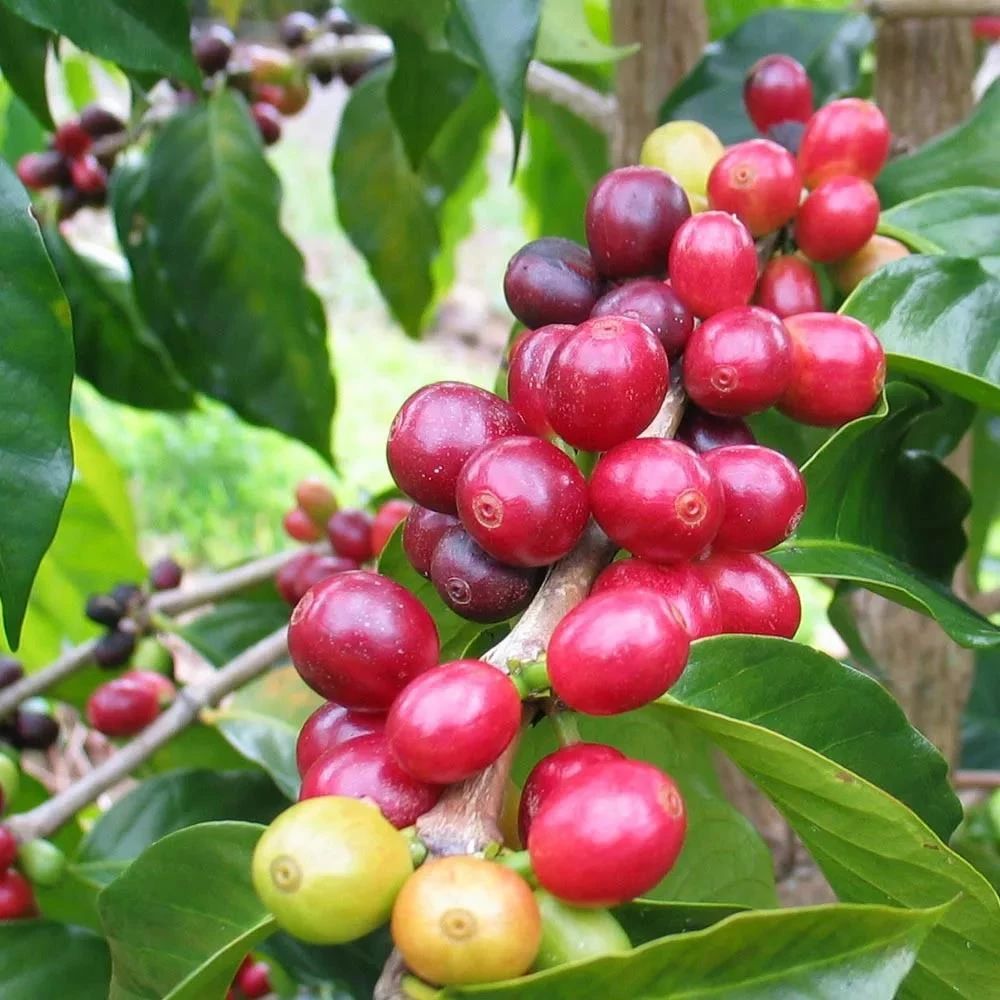
Red Label: Top Auction Lot
The Red Label Geisha is the flagship representation of Hacienda Esmeralda, using only beans grown at altitudes of 1600-1800 meters in the Jaramillo and Cañas Verdes regions, with cupping scores required to reach 90 or above. This tier is exclusively for auction lots, with each batch traceable to specific plots and never mixed with other plots. Red Label Geisha can be processed via natural or washed methods, with flavor profiles featuring bright floral aromas, citrus notes, rich layers, and vibrant acidity—making it the top choice for coffee enthusiasts seeking ultimate flavor.
Green Label: Reserve Micro-Lot Blend
Green Label Geisha is grown at altitudes between 1500-1800 meters, sourced from a blend of micro-lots from the Jaramillo, Quiel, and Cañas Verdes farms. Although not auction-grade, it still retains the classic Geisha floral, fruity, and citrus acidity characteristics, with a rich and juicy mouthfeel. Green Label is also available in washed or natural processing, with flavor performance close to Red Label, but due to the blend of beans from multiple plots, it offers excellent value for money, suitable for consumers who want to experience Geisha’s distinctiveness but have budget constraints.
Blue Label: Selected Blend Lot
Blue Label Geisha is grown at altitudes of 1500 meters and below, blended from beans from the Jaramillo, Cañas Verdes, and El Velo farms, including those from areas near the estate perimeter. The formerly common “Geisha 1500” falls under this tier, offered in both washed and natural processing methods (natural batches were introduced in small quantities starting in late 2019). In 2021, Hacienda Esmeralda discontinued the Blue Label brand and launched “Volcánico” Geisha with similar flavors, which is also worth attention.
In summary, the main differences between Red Label, Green Label, and Blue Label lie in altitude and blending methods—higher altitudes generally offer better flavor potential. Regardless of which tier you choose, you can experience the unique floral and fruity notes of Geisha, with the only differences being the level of nuance and pricing positioning, allowing consumers to decide based on personal taste preferences.
Pour Over Recommendations and Parameters
To fully showcase the delicate flavors of Geisha, it is recommended to use freshly roasted beans within 5 days of roasting and allow the beans to rest for 4-7 days after arrival to complete the degassing period. Since Geisha is often lightly roasted, with a lower solubility of coffee compounds, it is suggested to use a higher water temperature (around 90°C) and a medium-fine grind size (80% passing through a Chinese standard 20-mesh sieve) to improve extraction efficiency.
It is recommended to use a Hario V60 filter cone, with the following parameters: 15g coffee grounds, 1:15 coffee-to-water ratio, 90°C water temperature. The brewing method employs a three-stage extraction: start with a 30-second bloom using 30g of water, then pour in a slow circular motion until reaching 125g for the first pour; once the water level drops and is about to expose the coffee bed, continue pouring to 225g before stopping. Remove the filter cone after the dripping finishes, with a total extraction time of approximately 2 minutes. Finally, swirl the coffee liquid before pouring it into the cup for tasting.
Flavor profiles vary by tier:
- Red Label: Prominent rose and citrus aromas, accompanied by complex fruit notes such as rice, berries, and apricots, with a full body and noticeable honey sweetness.
- Green Label: Strong jasmine floral notes, high sweetness on entry, layered with citrus, berries, oolong tea, and citrus peel, with a long-lasting finish.
- Blue Label: Gentle acidity, dominated by lemon and grapefruit, with oolong tea, honey, and cane sugar aftertastes emerging as the temperature cools, offering a clean and refreshing mouthfeel.
The above content is compiled by CoffeeHunters, a coffee news website.


