







Introduction:When choosing espresso beans, the roast level is often the key factor influencing the flavor profile. Medium-dark roasts suit those who enjoy bold, rich tastes, highlighting notes of caramel and spices; medium-light roasts showcase bright acidity and floral-fruit aromas, ideal for drinkers who prefer a fresher cup. This article explores the flavor differences and suitable brewing methods under varying roast levels through two classic regional beans—Indonesia’s Golden Mandheling and Ethiopia’s Yirgacheffe—and helps you find your perfect coffee match.
In the world of espresso, the choice of roast level is not just a matter of personal taste but directly shapes the overall flavor profile of a cup. Medium-dark to dark roasted beans typically exude intense notes of caramel, nuts, and spices, appealing to those who favor a full-bodied taste. In contrast, medium-light roasts preserve more of the origin’s floral, fruity, and citrus characteristics, with brighter acidity, suiting consumers who prefer a cleaner, crisper cup. This article will take Indonesia’s Sumatran Golden Mandheling and Ethiopia’s Yirgacheffe G1 Washed as examples to delve into how different roast levels shape the unique personality of coffee.
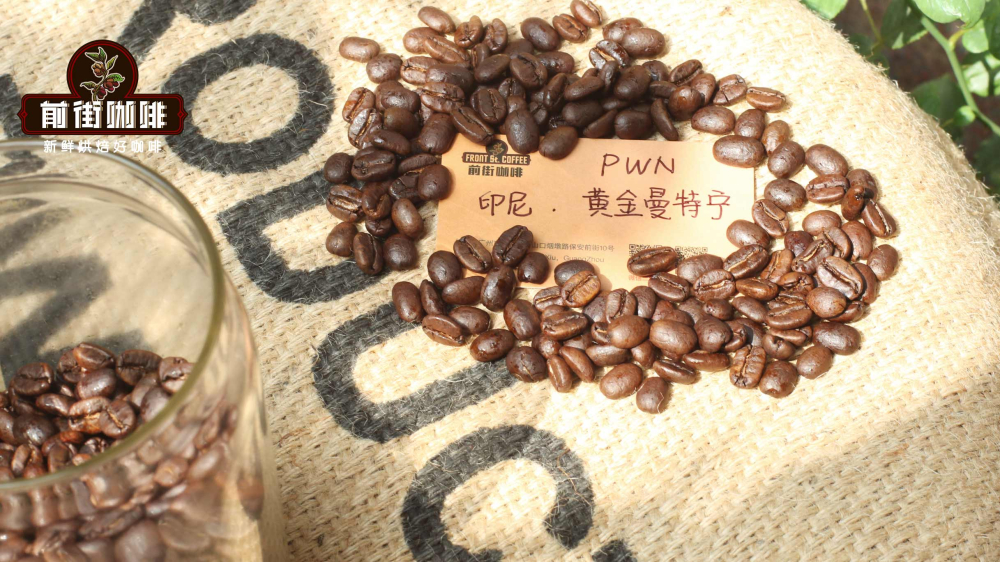
First, let’s look at the featured Golden Mandheling. These beans are actually sourced and produced by Indonesia’s local Pwani Coffee Company—the brand name “Golden Mandheling” is registered by them. The origin is the Lintong region in northern Sumatra, where coffee is harvested strictly by hand, selecting only fully ripe cherries to ensure initial bean quality. The processing method uses semi-washed (SEMI-WASHED), followed by natural sun drying, with multiple hulling and manual sorting processes, including two rounds of dry refining and four rounds of hand-picking—making it an exceptionally curated product.
This bean, labeled “PWN,” stands for Pwani Company, which is officially registered in Indonesia. In terms of roast performance, this bean is typically medium-dark roasted, bringing out intense herbal aromas paired with strong caramel sweetness and a steady, elegant acidity. Its rich body also carries unique spice notes, delivering a bold yet layered flavor. Generally, Mandheling from Sumatra’s Lintong region is recommended to be roasted past the second crack to reduce off-flavors and enhance body—but this Golden Mandheling still showcases good clarity and sweetness even when roasted just before the second crack, demonstrating the roaster’s flexibility and skill.
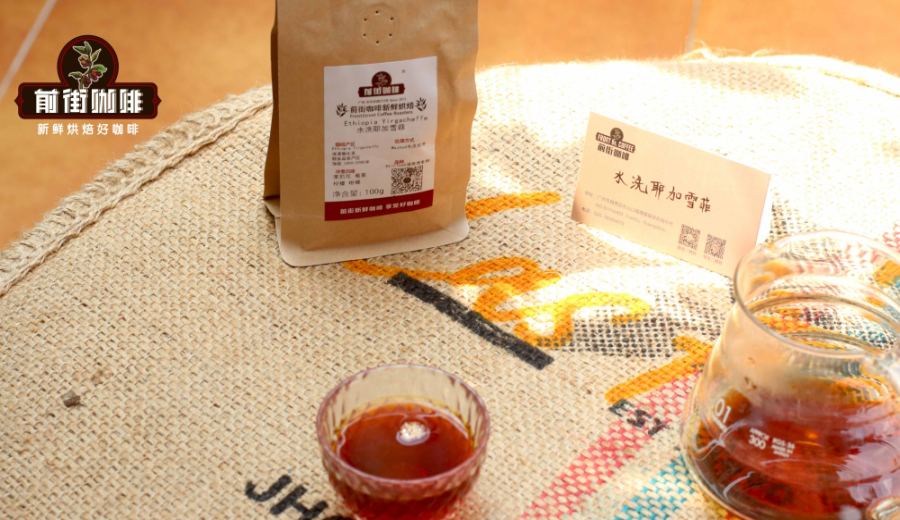
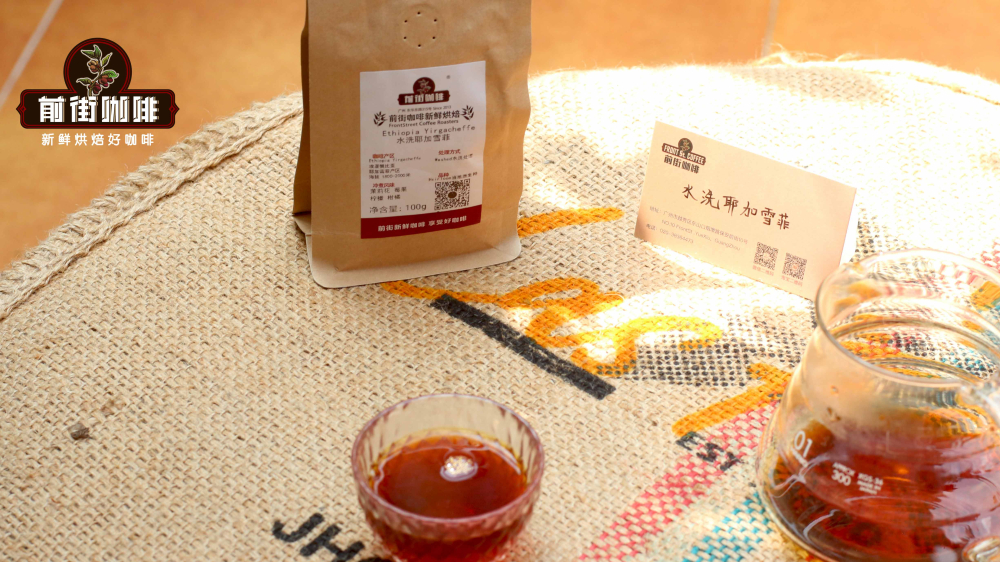
Next, let’s examine the other representative of medium-light roast flavors—Ethiopia’s G1 Washed Yirgacheffe Guji Dingding. These beans come from highland regions at elevations between 1650 and 1800 meters, part of the Yirgacheffe producing area. Ethiopian coffee farming mostly employs traditional methods, with farmers generally avoiding chemical pesticides or herbicides. While not every bean is organically certified, the coffee here can almost be considered naturally organic. The main harvest season falls in November and December each year, with local farmers carefully tending coffee trees by hand to ensure bean quality.
This Guji Dingding Washed Yirgacheffe uses the washed processing method. Compared to natural sun-drying, washed processing requires more water but preserves brighter acidity and a cleaner taste. During processing, coffee beans are evenly spread on drying beds and regularly turned to prevent over-fermentation, ensuring flavor purity. The washed method highlights the beans’ intrinsic fruity and acidic qualities, resulting in a “clear” and well-layered flavor profile.
The flavor profile of this washed Yirgacheffe can be summarized as: intense fruitiness, bright jasmine floral notes, vibrant berry tones, accompanied by crisp lemon acidity and hints of tropical fruits like pineapple and apple. The overall mouthfeel is smooth, with a long-lasting aftertaste, and the washed process lends exceptional clarity. Whether medium-light or medium-dark roasted, this bean exhibits different flavor dimensions: medium-light roast enhances floral, fruity, and citrus freshness, while medium-dark roast brings out more nutty, caramel, and sweet notes.
In summary, choosing between medium-dark or medium-light roast espresso beans hinges on understanding your own taste preferences, as well as how the beans’ origin and processing method influence potential flavors. Indonesia’s Golden Mandheling suits those who love bold, spicy, and distinctly sweet profiles, while Ethiopia’s Yirgacheffe caters to coffee lovers seeking fresh fruitiness and bright acidity. By understanding these differences, you can more accurately select the beans that best match your palate and unlock their full potential during extraction.
The above content is compiled by CoffeeHunters, a coffee news website.


