








Introduction:The world’s three major coffee-growing regions each have their own unique characteristics. From the bright fruity acidity of Africa to the rich, low-acid profiles of Asia, understanding these regional flavor differences can help you choose coffee beans that suit your personal taste. This article takes an in-depth look at the typical characteristics of African, Central and South American, and Asian & island coffees, along with real bean examples, helping coffee enthusiasts grasp the flavor profiles of each region and improve their accuracy in bean selection and brewing.
Much of the diversity in coffee flavors stems from the geographic environment and climate conditions of each producing region. The three major regions—Africa, Central and South America, and Asia & islands—each produce coffee beans with distinctly different flavor profiles. These differences not only influence brewing performance but also directly determine consumer preferences. This article will break down the typical flavor traits of these three major regions in detail, using representative beans as examples to help readers better understand how to select suitable coffee based on individual taste.

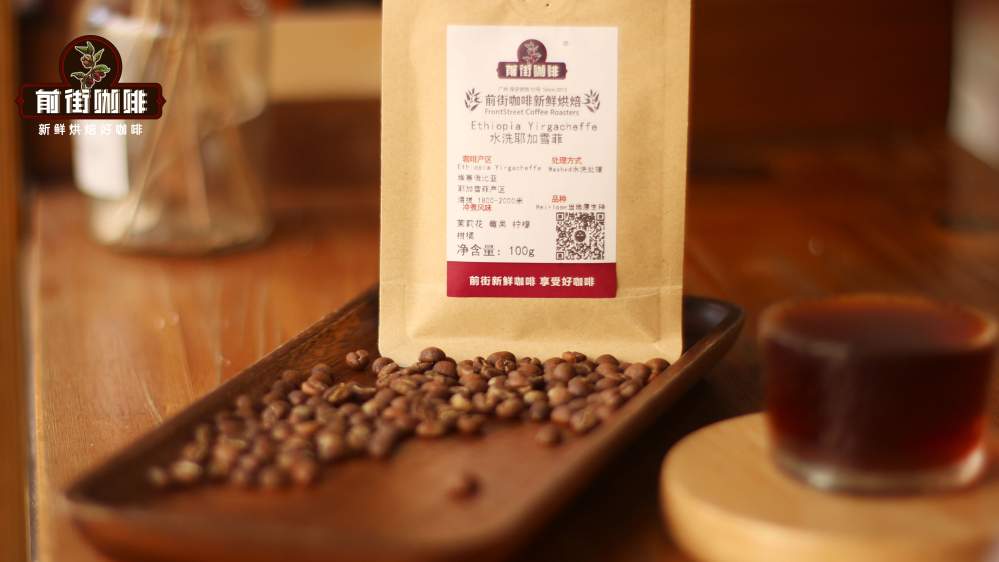
The African region, represented by Ethiopia and Kenya, is an important birthplace of specialty coffee. Coffee beans from this area typically exhibit bright acidity and rich floral and fruity aromas, making them ideal for drinkers who enjoy a fresh-tasting cup. For instance, Ethiopian beans often feature high-toned aromas like citrus and jasmine, with a clean and bright mouthfeel; Kenyan coffee, on the other hand, is known for its intense berry character, with acidity reminiscent of dark plum and grapefruit, and a sweet finish often resembling sugarcane. For such beans, it is recommended to use a medium-light roast when brewing pour over, with water temperature around 90-93°C, to fully showcase their fruity acidity layers.
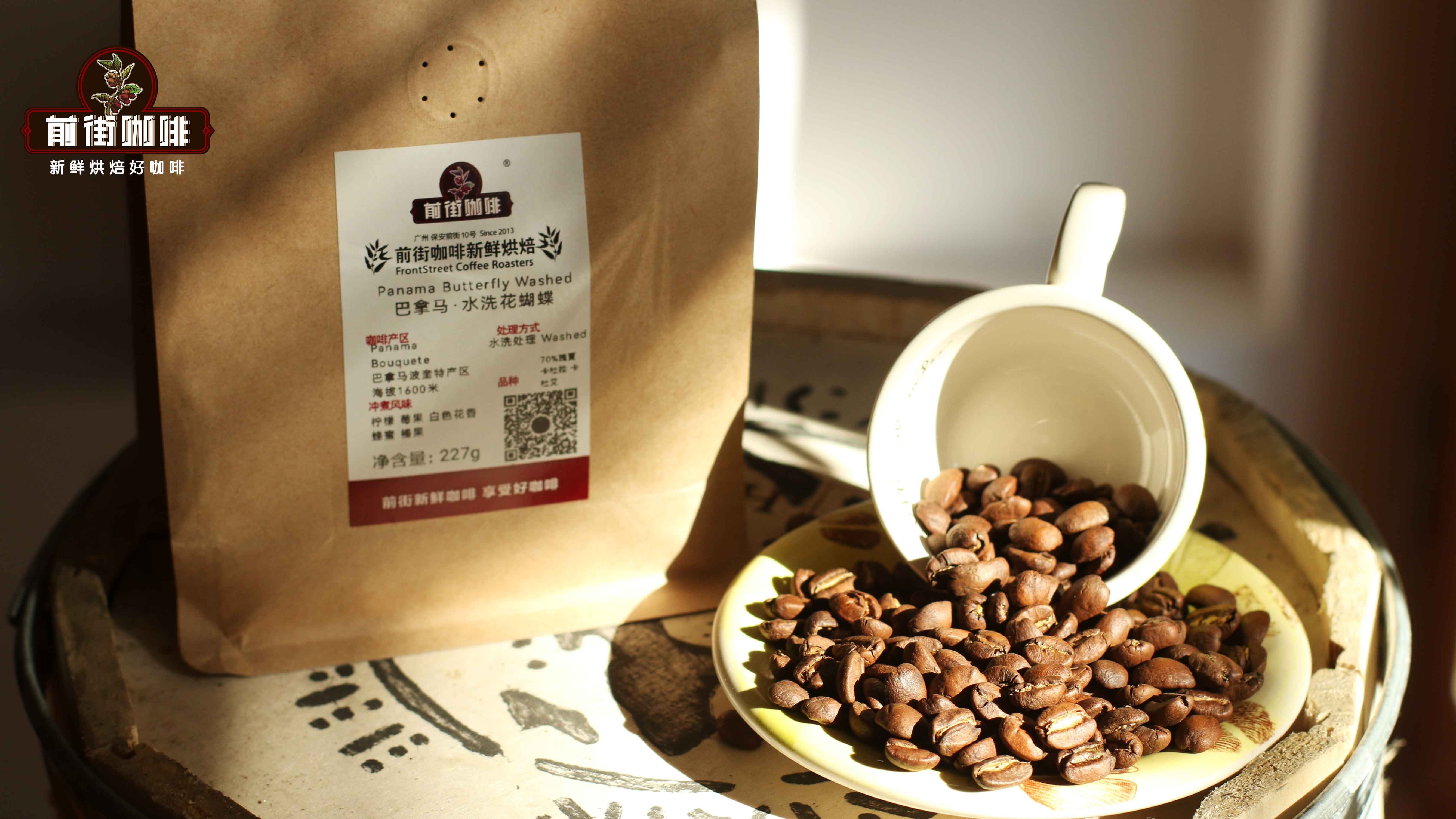
The Central and South American region, encompassing countries such as Brazil, Costa Rica, Panama, and Colombia, generally features a well-balanced and rich flavor profile. Coffee beans from this area often exhibit pronounced caramel sweetness and nutty notes, suiting consumers who prefer a stable and consistent taste. Brazilian beans like those from Cerrado are smooth with a slight sweetness and are commonly used as the base for espresso blends; Costa Rica’s Tarrazú offers a blend of mild acidity, sweet aroma, and chocolatey notes with clear layering; Panama’s Geisha (often referred to as 花蝴蝶 in the text), known for its jasmine, citrus, and almond aromas, has bright and dynamic acidity. For pour over brewing, a medium to medium-dark roast is recommended, with water temperature controlled between 92-94°C, to highlight their sweetness and balance.
Coffee beans from the Asian and island regions present a style that is distinctly different from the previous two. Beans from these areas usually have higher body, lower acidity, and carry deep, earthy notes of herbs, spices, and soil. Indonesian Mandheling is a typical representative, with a full-bodied texture and noticeable bitterness and sweetness, often accompanied by caramel aromas; China’s Yunnan smallholder coffee showcases a harmonious combination of nuts, brown sugar, and tea-like notes, suitable for those who prefer a mellow cup. Island coffees such as Jamaican Blue Mountain are famed for their soft chocolate, cream, and nutty aromas, with a low-key and restrained flavor profile, considered by many coffee enthusiasts as an exceptional brew. For pour over, a medium-dark roast is advised, with water temperature around 90-92°C, to fully bring out their rich characteristics.
Coffee beans from different regions also often vary in processing methods. African beans are mostly processed using the washed method, enhancing clean and bright acidity; Central and South American beans combine both washed and natural (sun-dried) methods, resulting in diverse flavors; Asian and island regions often employ the wet-hulled or traditional sun-dried methods, yielding bold and rich profiles. Understanding these processing differences helps in more accurately anticipating the coffee’s performance.
For beginners, selecting multiple beans from the same region for cupping and comparison is an effective way to understand flavor variations. It is recommended to start with medium-light roasts and gradually explore different roast levels to develop sensitivity to flavor layers. Additionally, brewing parameters such as grind size, water temperature, coffee-to-water ratio, and extraction time can greatly affect the final flavor outcome, and should be adjusted according to the specific characteristics of the beans.
In summary, African beans excel in fruity acidity and floral notes, Central and South American beans emphasize balance and sweetness, while Asian and island beans showcase richness and deep-toned profiles. By understanding these basic traits and combining them with actual tasting experiences, consumers can more precisely select coffee beans that match their personal preferences, further enhancing the enjoyment of the pour over or brewing process.
The above content is compiled by CoffeeHunters, a coffee news website.


