







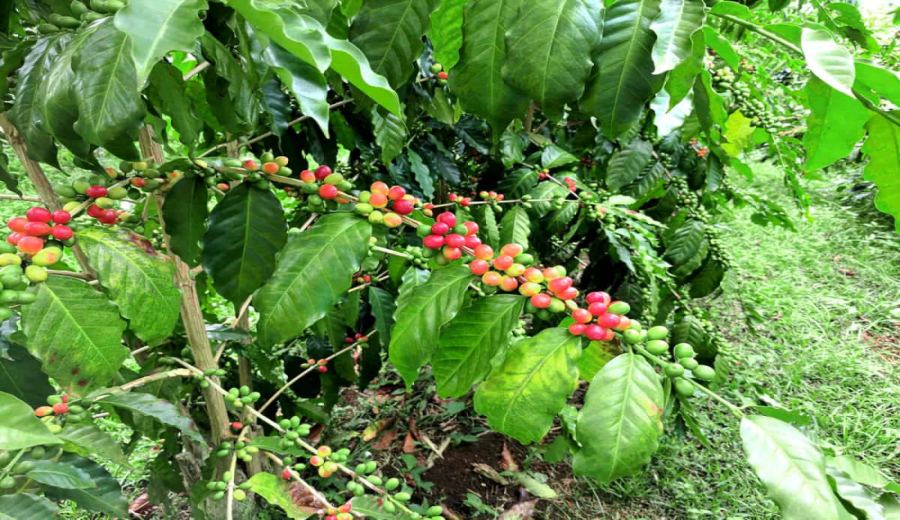
Introduction:This article provides an in-depth analysis of two renowned Ethiopian Yirgacheffe coffees — the Gotiti washed and the Red Cherry Natural — covering their regional background, processing differences, flavor profiles, and practical pour over brewing parameters and recommendations. Whether you're new to Yirgacheffe or looking to refine your pour over technique, you’ll gain key insights and appreciate the unique flavor dimensions brought by different processing methods.
Yirgacheffe is not only a famous coffee-growing region in Ethiopia but is also often seen as synonymous with specialty coffee flavors. For many beginners in specialty coffee, Yirgacheffe is often their first encounter with high-quality beans. This article will focus on the Gotiti Cooperative washed beans and the Red Cherry Natural beans introduced in the industry, comprehensively breaking down the characteristics of these two classic beans from regional environment, processing techniques, roasting philosophy, to actual pour over parameters, and comparing their flavor differences to help you better understand the diverse charm of Yirgacheffe.
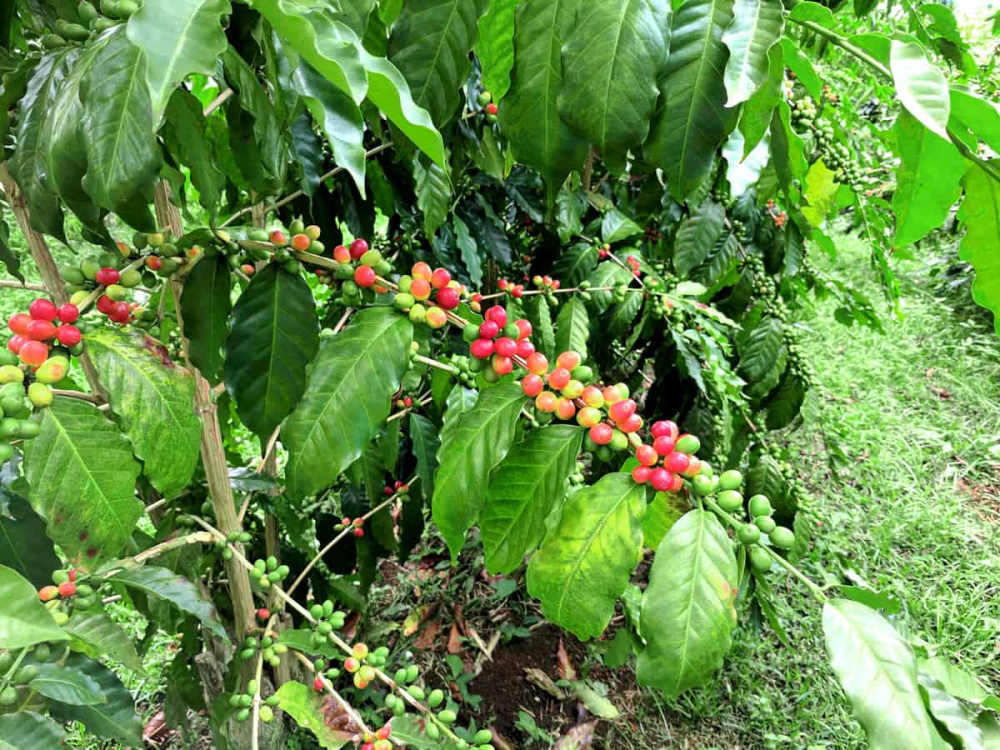
Located at an altitude of approximately 1800 to 2000 meters in Ethiopia’s highlands, Yirgacheffe is one of the country’s highest-altitude coffee regions. Initially part of the Sidamo region, it was later designated as a separate zone due to its distinctive flavor profile. The region not only benefits from exceptional geographical conditions and diverse microclimates, but also nurtures many coffee varieties with distinct personalities. Within the industry’s Yirgacheffe offerings, both washed and natural processed beans hold significant positions, with their representative versions enjoying steady support.
A common question among consumers when purchasing Ethiopian coffee is: why are there so many different beans from the same region? The reason lies in Ethiopia being not only the birthplace of coffee but also home to the world’s richest gene pool of native varieties. Coupled with varying microclimates across regions, this leads to an abundance of single-origin beans with diverse flavors. Over ten different Ethiopian coffees have been introduced by the industry precisely to showcase this diversity.
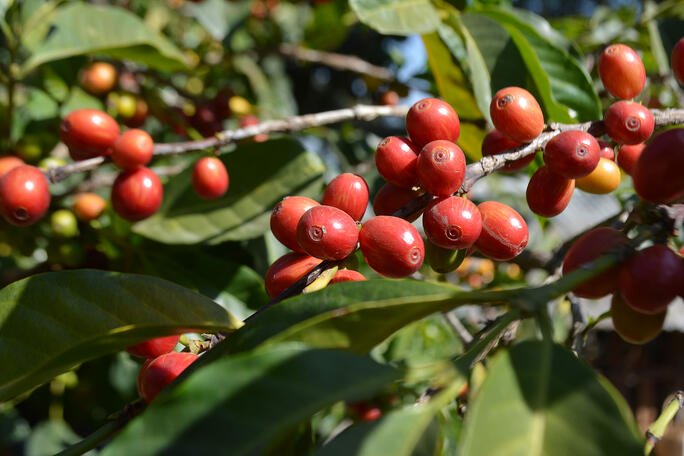
Washed Yirgacheffe is known for its clean, bright acidity and delicate floral notes, characteristics that are inseparable from the washed processing method. Compared to traditional natural processing, washed processing — which involves removing the pulp, fermenting to remove mucilage, followed by washing and drying — brings out a clearer, crisper flavor profile. In contrast, natural processing retains more pulp and mucilage, involves longer fermentation, and typically results in richer fruitiness, sweetness, and wine-like aromas. Neither method is absolutely superior; it depends on personal preference.
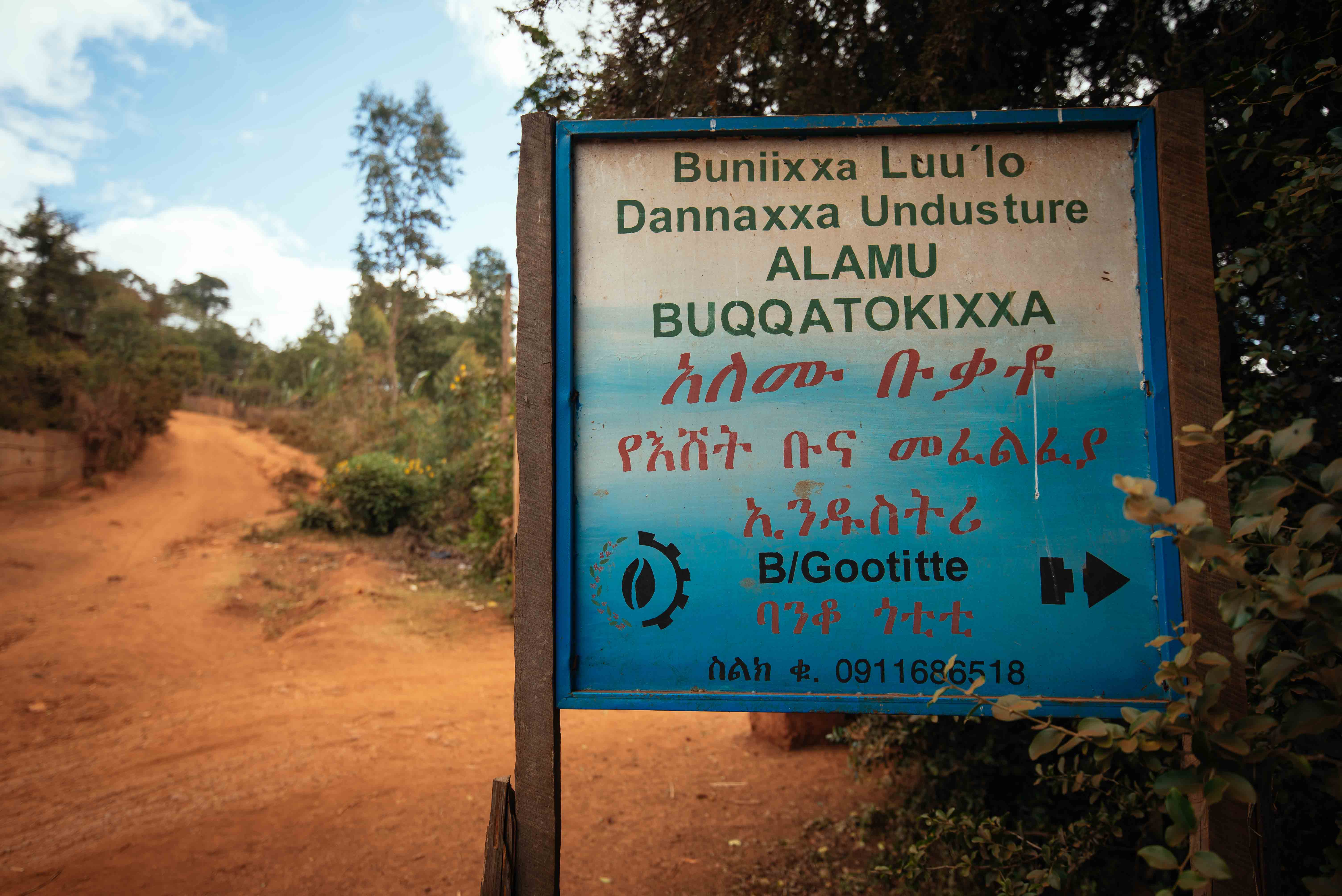
The Gotiti Cooperative is located in the Wolkite area in the southeast of Yirgacheffe. Originally part of the Wolkite Cooperative under the Yirgacheffe Union, in 2012, Gotiti — formed by about 300 farmers — officially became independent, representing a commitment to traceability and single-region characteristics. Most farmers in the community own 1 to 2 hectares of planting area and continue traditional natural and washed processing methods. Due to its remote location, about 75 kilometers from Dila town, and its commitment to chemical-free farming, Gotiti coffee not only holds EU SKAL organic certification but also develops unique flavors in a high-altitude mountain environment at around 2300 meters.

In terms of processing, the Gotiti washed beans introduced here follow a standard washed process: first the pulp and flesh are removed, then fermentation occurs for 18 to 36 hours (adjusted based on temperature and humidity), followed by washing through channels to remove impurities, and finally the parchment coffee is dried on African raised beds for about 14 days. The entire process is rigorous, helping enhance the beans’ cleanliness and acidity. In contrast, the natural process involves drying the whole coffee cherry directly. While this method used to be prone to off-flavors, improvements through the “Red Cherry Project” now allow for rounder, richer flavors.
The “Red Cherry Project” was initiated in 2007 by the Dutch trading company Trabocca BV, aiming to improve the quality of coffee from Ethiopia’s high-altitude regions. The project provides technical support, financial loans, and professional cupping to encourage farmers to harvest only fully ripe red cherries and improve the natural drying process. As a result, the final coffee beans not only have low defect rates but also offer rich layers and sweetness. The Red Cherry Natural beans selected here come from the Allite Farm, using fully red cherries with intact bean appearance and low defect rates, achieving G1 grade, and exhibiting particularly outstanding flavor performance.
In terms of variety, Ethiopian coffee, due to its genetic diversity and government protection of native variety information, is mostly labeled as “Heirloom (native variety).” This also means that Ethiopian coffee beans are less uniform in size compared to those from other regions, but they harbor a richer potential for flavor variation.
When roasting these two Yirgacheffe beans, different roast levels were applied based on processing method and expected flavor direction: the Gotiti washed beans use a light roast to enhance bright acidity and floral notes; the Red Cherry Natural beans use a medium-light roast to present fuller fruitiness and sweetness. Pour over brewing is recommended using a V60 filter, with water temperature set to 91°C, paired with medium-fine grind (80% passing rate through a Chinese No. 20 sieve), a water-to-coffee ratio of 1:15, and a coffee dosage of 15g.
The specific pour over procedure is as follows: first perform a 30g bloom for 30 seconds, allowing the coffee grounds to fully degas; the first pour is to 125g, taking about 1 minute; when the water level drops to two-thirds of the coffee bed, continue pouring to 225g, with total brew time controlled at around 2 minutes. These parameters help balance acidity and sweetness while highlighting fruity notes and layers.
In terms of flavor, the Gotiti washed beans exhibit berries, citrus, honey, and creamy textures at higher temperatures, with bright and refreshing acidity; as the cup cools, the profile shifts to softer berry and citrus notes. The Red Cherry Natural beans feature lemon, citrus, berries, and sweet orange as dominant notes, with more pronounced sweetness, and a finish that carries caramel, cream, and black tea aromas, offering a full-bodied and dynamic cup.
Finally, it’s important to note that coffee bean freshness is crucial for flavor expression. It’s recommended to choose beans roasted within 5 days and allow them to undergo a 4 to 7-day rest periodto reach their optimal flavor window. If purchasing coffee powder, although it can be brewed immediately, be aware that powdered coffee oxidizes faster, so it’s best to grind and brew right away to fully experience the coffee’s subtle layers.

In summary, the Gotiti washed and Red Cherry Natural beans from Yirgacheffe each have their own unique characteristics — the former bright and refreshing, the latter rich and sweet — both showcasing the deep potential of Ethiopian coffee. Whether you’re a pour over novice or an advanced enthusiast, mastering the knowledge of processing methods and brewing parameters will allow you to more deeply appreciate the refined flavors from this highland region.
The above content is compiled by CoffeeHunters, a coffee news website.


