







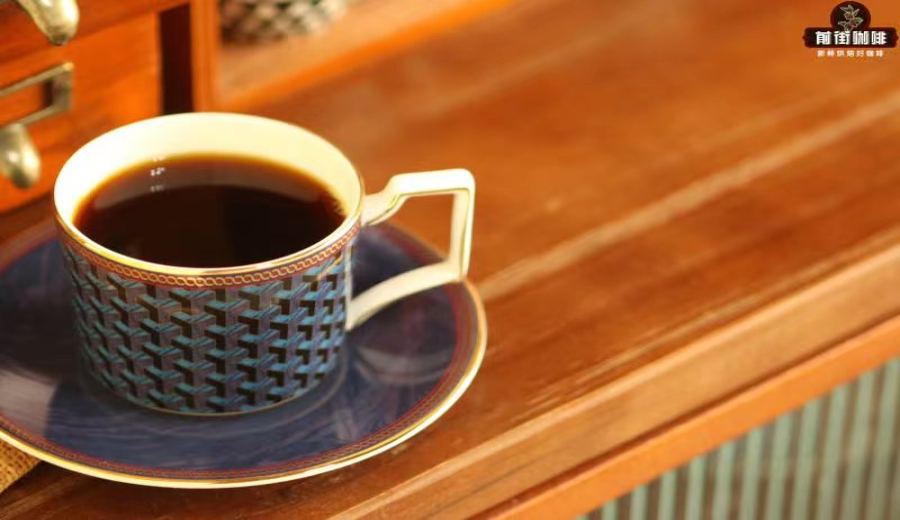
Introduction:As a classic representation of dark-roasted beans, Mandheling is commonly found on the menus of specialty coffee shops. However, its unique herbal, chocolatey, and caramel layers often fail to fully shine when brewed using pour over methods. This article delves into the classification of the Sumatra growing region, compares the flavor differences between Golden Mandheling and Lintong Mandheling, and provides tested parameters such as filter type, coffee-to-water ratio, water temperature, and segmented brewing techniques. These insights will help coffee enthusiasts consistently brew a rich, sweet-aftertaste Mandheling at home.
On the menus of specialty coffee shops, Mandheling has long been a classic favorite, whether it’s regular beans, Golden Mandheling, Tiger Mandheling, or aged versions—each with its own following. Yet, many find that this dark roast fails to showcase the full body and multi-layered flavors it should offer, such as herbal, chocolate, or caramel notes, during pour over brewing. This article starts with the background of the Sumatra region, clarifies the origin of the name “Mandheling,” analyzes the flavor profiles of Mandheling from different regions and processing methods, and then shares practical pour over parameters and tips suitable for dark roasts. This guidance will help you easily extract a well-balanced, layered Mandheling with a long-lasting aftertaste.
Walk into any coffee shop, and you’ll likely find Mandheling on the bean menu—whether it’s standard Mandheling, Golden Mandheling, or special processed versions. Most of these beans come from Sumatra, Indonesia. Although Indonesia’s coffee industry is dominated by Robusta, accounting for up to 90%, its premium Arabica beans, especially the Mandheling series, have maintained a strong presence in the international market for decades due to their distinctive flavors. Interestingly, “Mandheling” is not actually the name of a place, variety, or port, but rather originates from the indigenous “Mandailing” people of Sumatra—a result of phonetic mistranslation. In fact, the ethnic group primarily growing Mandheling coffee today is the Batak people, but the term “Mandheling” has become widely known and serves as the general label for this flavor profile.
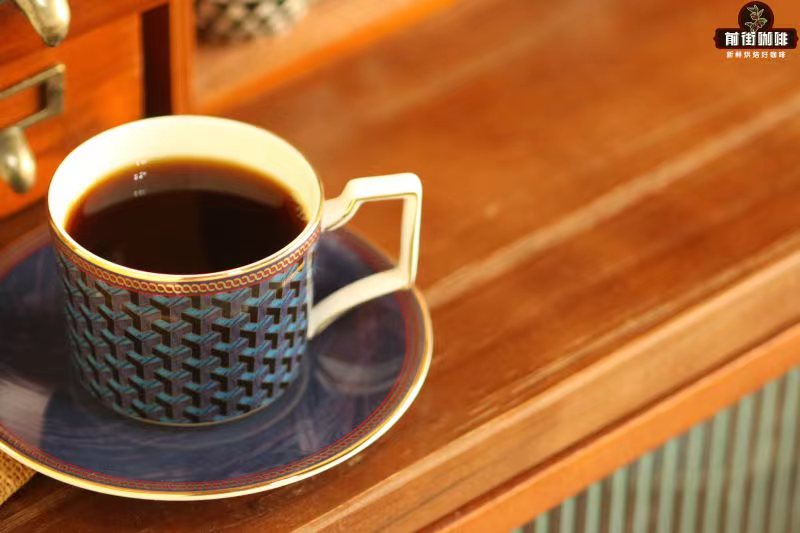
The Mandheling system in Sumatra can be roughly divided into four main types: First are the semi-washed or natural beans commonly produced in the central-northern Lintong mountain area, mainly by the Batak farmers—this is the most familiar type of Mandheling. Second are the Golden Mandheling beans, which undergo three or more manual screenings and are of higher grade. The third type comes from the Gayo highland near Lake Tawar in Aceh, the northernmost part of Sumatra. Coffee from this region, often called Lake Tawar coffee, is typically processed via washed or semi-washed methods, and is grown across a wide range of altitudes between 800 to 1600 meters. The fourth category includes special processed versions such as aged Mandheling and Java Old Brown. Understanding these classifications can help you anticipate different flavor directions when purchasing or brewing.
For the most common Mandheling and Golden Mandheling beans, there are actually notable differences in flavor expression. Golden Mandheling typically comes from the Gayo Mountains in Aceh, Sumatra, at an altitude of about 1100–1600 meters. It uses the Ateng variety, is processed with the wet-hulled method, and has undergone three or more hand selections, classified as G1 grade. Its flavor profile is dominated by spices, herbs, caramel, pine, nuts, and chocolate, offering a full body and clear layering with a long finish. On the other hand, Lintong Mandheling comes from the Lintong region of Sumatra, also using the Ateng and Tim Tim varieties, with altitudes in the same 1100–1600 meter range. Processed via the wet-hulled method, its flavor leans more toward toasted bread, nuts, dark chocolate, and herbal notes, with a noticeable sweet aftertaste upon entry—making it suitable for those who prefer a smooth and mellow cup.
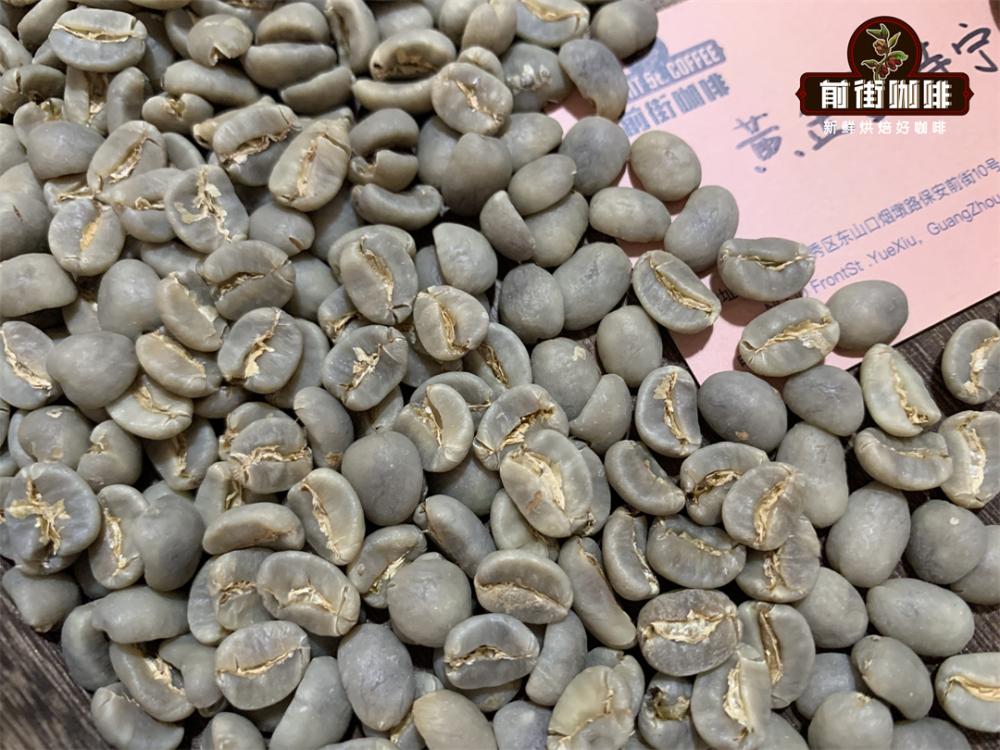
Since Mandheling is a dark roast, it is recommended to use a filter suitable for dark roasts when brewing, such as the Kono filter, which helps slow down the water flow and improve extraction evenness. Tested standard parameters are as follows: use 15 grams of coffee, set the coffee-to-water ratio at 1:15, control the water temperature at 88°C, and aim for a grind size where 70% to 75% of the grounds pass through a standard #20 sieve. This setup helps fully release the richness and sweetness of dark roasts while avoiding over-extraction that could lead to harsh bitterness.
For specific brewing techniques, a segmented pouring method is recommended: start with a 30-second bloom using 30 grams of water to awaken the coffee grounds. Then, pour water in small circles until you reach 125 grams for the first pour. Once the water level naturally drops to just about to expose the coffee bed, continue pouring until you reach a total of 225 grams, then stop. Finally, wait for the water level to drop again and just before the coffee bed is exposed, remove the filter. Using a Kono filter, the total brewing time is approximately 2 minutes and 10 seconds; if using a V60, it’s around 2 minutes—you can adjust slightly based on actual flow rate. Controlling the pouring speed and maintaining a steady water flow help improve flavor consistency and mouthfeel smoothness.
In summary, to successfully brew a flavorful and sweet-aftertaste Mandheling at home, it’s essential not only to understand its regional and processing differences but also to master key parameters for dark roasts and carefully execute the brewing process. From choosing the right filter and setting the coffee-to-water ratio and water temperature to timing each segmented pour, every step influences the final flavor outcome. With the practical tips and reference parameters provided in this article, even beginners can gradually refine their skills and enjoy the rich and captivating coffee experience that Mandheling offers.
The above content is compiled by CoffeeHunters, a coffee news website.


