







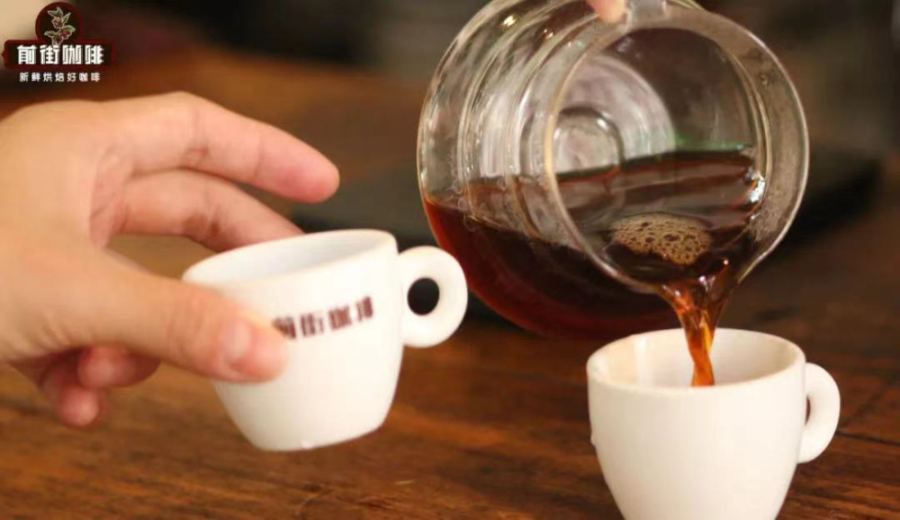
Introduction:Have you ever taken a sip of a pour over coffee only to be hit with an intense bitterness and dryness that makes it hard to swallow? This is likely the result of "over-extraction." This article will take an in-depth look at the causes of over-extraction in pour over coffee, its impact on flavor, and offer practical adjustments—including key parameters such as water temperature, grind size, coffee-to-water ratio, and extraction time—to help you brew a balanced and layered cup.
When your pour over coffee exhibits pronounced bitterness and astringency, it often stems from a common yet overlooked issue: over-extraction. Over-extraction occurs when the coffee grounds are in contact with hot water for too long or when the grind is too fine, causing undesirable compounds that should remain in the grounds to be released, thereby compromising the overall flavor.
When coffee is over-extracted, the first thing you’ll typically notice is a strong bitterness concentrated at the back of the tongue. This bitterness is not only obvious but also suppresses the coffee’s inherent fruitiness and sweetness. At the same time, your mouth may feel persistently dry and astringent, making you want to rinse your mouth immediately. Even worse, the overall flavor can become hollow and dull, as if you’re drinking nothing more than colored hot water—devoid of layers or aftertaste.
The causes of over-extraction can generally be grouped into two main categories: setting the water temperature too high, and grinding the coffee too finely. Both factors accelerate the release of substances from the coffee—especially undesirable impurities—which disrupts the balance of the brew.
Coffee beans of different roast levels also have significant differences in their internal structure and the rate at which flavor compounds are released. Generally speaking,light to medium roasted beans, due to shorter roasting times and a denser bean structure, have flavor compounds that are less soluble. Therefore, it is recommended to usea medium-fine grind(about the coarseness of fine sugar, with a sieve passing rate of approximately 75–80% through a Chinese No. 20 standard sieve), and to set the water temperature between90-91°C[temperature range to be inserted], which helps to extract aroma and sweetness appropriately while avoiding excessive release of undesirable substances.
As formedium-dark to dark roasted beans, because of the longer roasting time and the looser bean structure resulting from the second crack, flavor compounds are released more quickly. Therefore, it is advisable to switch toa medium-coarse grind(about the coarseness of coarse sugar, with a sieve passing rate of about 65–70% through a Chinese No. 20 standard sieve), and to lower the water temperature to88-89°C[temperature range to be inserted] to prevent over-extraction that could lead to excessive bitterness and astringency.
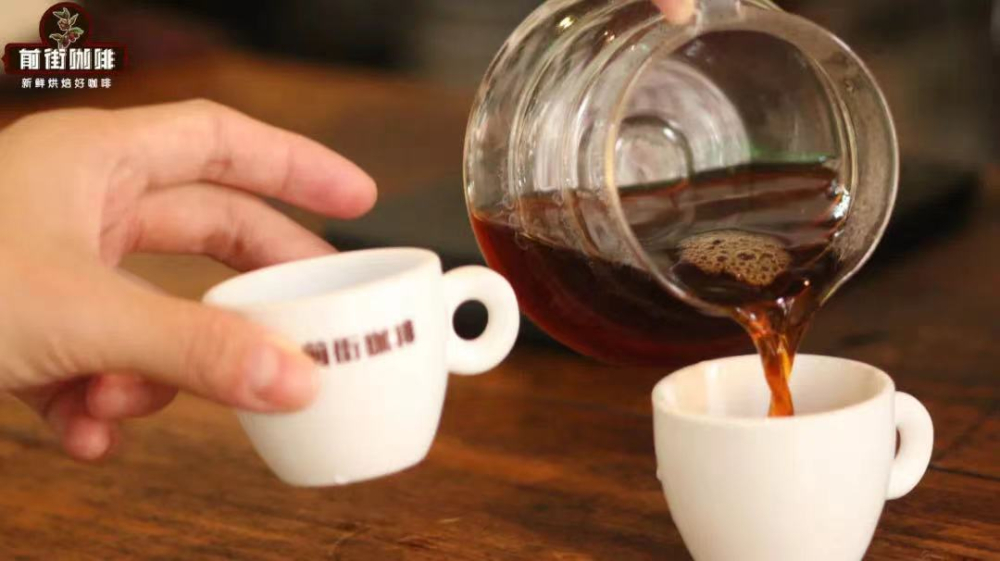
Regarding the coffee-to-water ratio, it is recommended to usea 1:15 ratio, meaning 15 grams of coffee grounds for every 225 milliliters of water. This ratio provides good extraction efficiency and a balanced mouthfeel. The total brewing time is recommended to be within2 minutes to 2 minutes and 10 seconds. If the total extraction time exceeds this range by more than 5 seconds, it usually indicates that the grind is too fine or the water temperature is too high, and adjustments should be made accordingly.
If you find that the coffee still has noticeable dryness and bitterness even when the time is normal, it is advisable to first check whether the water temperature is too high—you can try lowering the temperature by1-2°C[temperature adjustment to be inserted] and brew again. Additionally, pay attention to the storage condition of the coffee beans, as beans that have been stored for too long can lose their flavor and may also result in poor-tasting brews.
To achieve the best pour over experience, it is recommended to choose freshly roasted coffee beans. Generally,the 5 to 30 days after roastingis the optimal flavor window for coffee beans. Store them sealed in a cool, dry place, away from moisture or direct sunlight, to maintain the best flavor profile.
The above content is compiled by CoffeeHunters, a coffee news website.


