







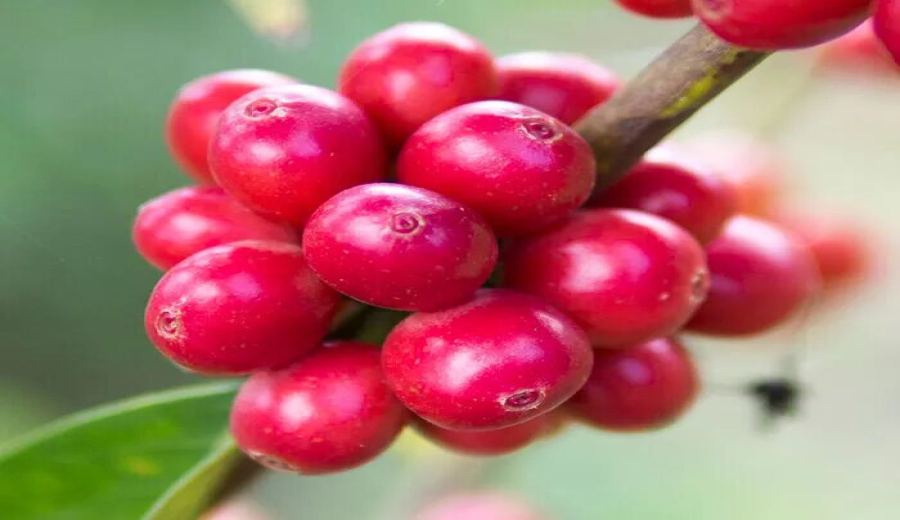
Introduction:Geisha coffee is world-renowned, but many people mistakenly believe that the green-label Geisha from Panama and Ethiopia are the same variety. In fact, although both originate from Ethiopian landrace varieties, differences in origin, processing methods, and varietal details result in distinctly different flavor profiles. This article takes you back to the source to clarify the relationship between the two, analyze the definition of green label, varietal differences, and through practical cupping comparisons, help you find your preferred style of Geisha.
When it comes to specialty coffee, Geisha (Geisha) is undoubtedly one of the most talked-about varieties in recent years. In particular, the green-label Geisha from Panama's Hacienda Esmeralda has captivated the global stage with its unique floral-fruity aromas and honey-like sweetness. But did you know? The Geisha variety actually did not originate in Panama, but rather in the birthplace of coffee—Ethiopia.
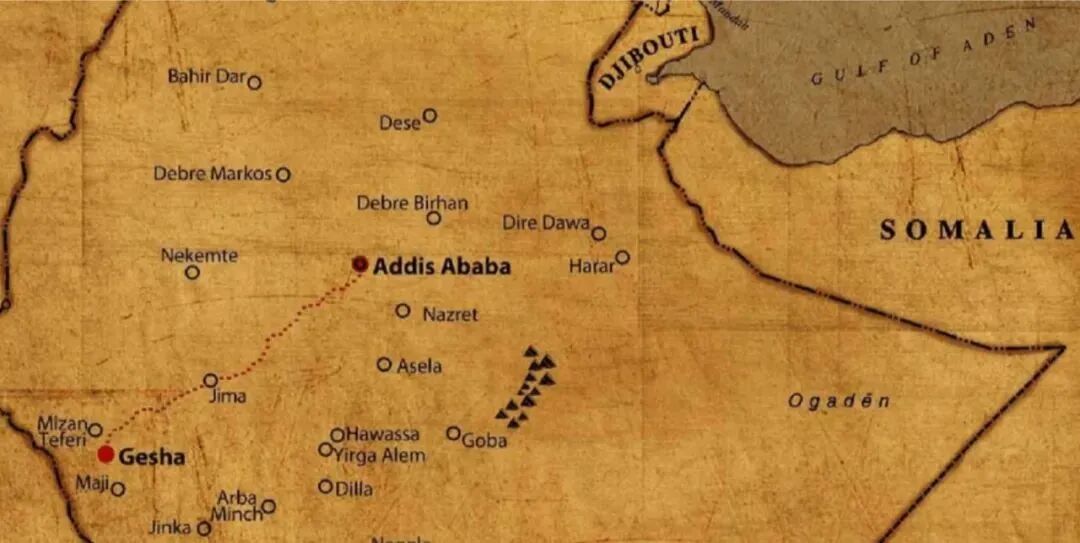
Ethiopia is home to numerous wild coffee varieties, many of which are so unfamiliar even to local residents that they are commonly grouped under the umbrella term "Ethiopian landrace." The famous Panamanian Geisha was first discovered in a forest called "Gesha" and made its way through Kenya, Uganda, Tanzania, Costa Rica, and eventually to Panama. This long journey also turned Geisha into a legendary variety in the coffee world.
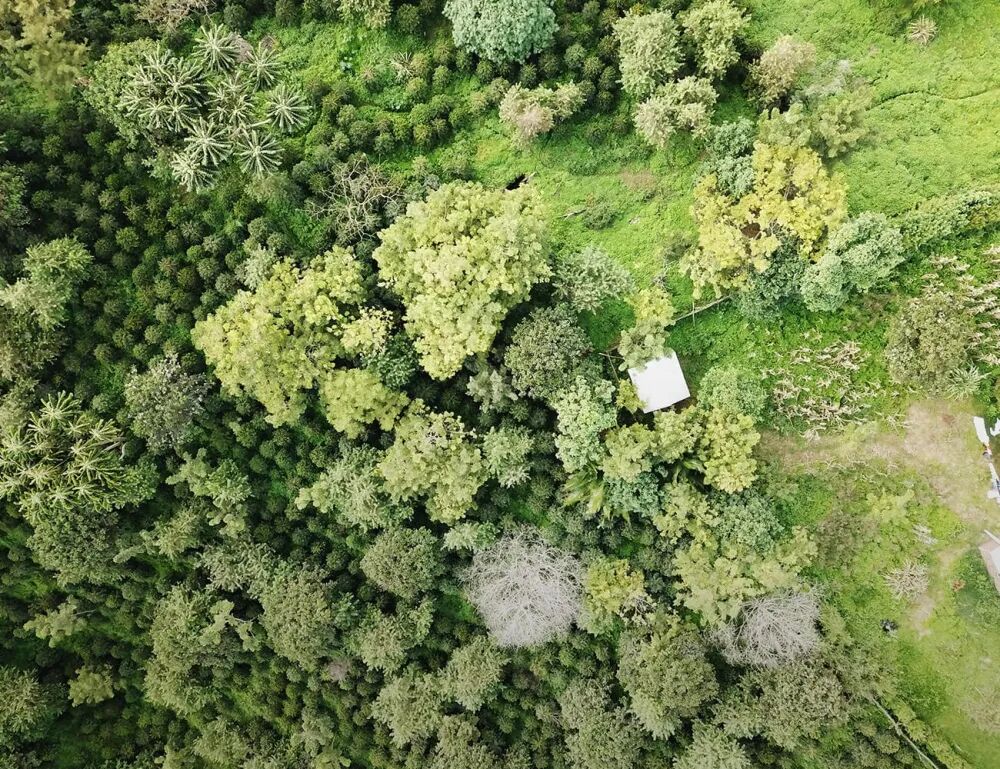
Documentary filmmaker Adam Overton and his photographer wife Rachel Samuel established the Gesha Village Coffee Estate in an area near the Gori Gesha Forest. With the help of local coffee expert Willem Boot, they ventured deep into the jungle and unexpectedly discovered original Geisha tree varieties—this forest is none other than the Gori Gesha (Gori Gesha) forest, where the Geisha variety was first found.

They collected seeds from the original trees, carefully selected them, and decided to plant on 475 hectares of land about 12 miles from the Gori Gesha Forest, establishing the Gesha Village Coffee Estate. This site not only continues the lineage of Geisha but also adopts a refined management approach similar to that of Hacienda Esmeralda.
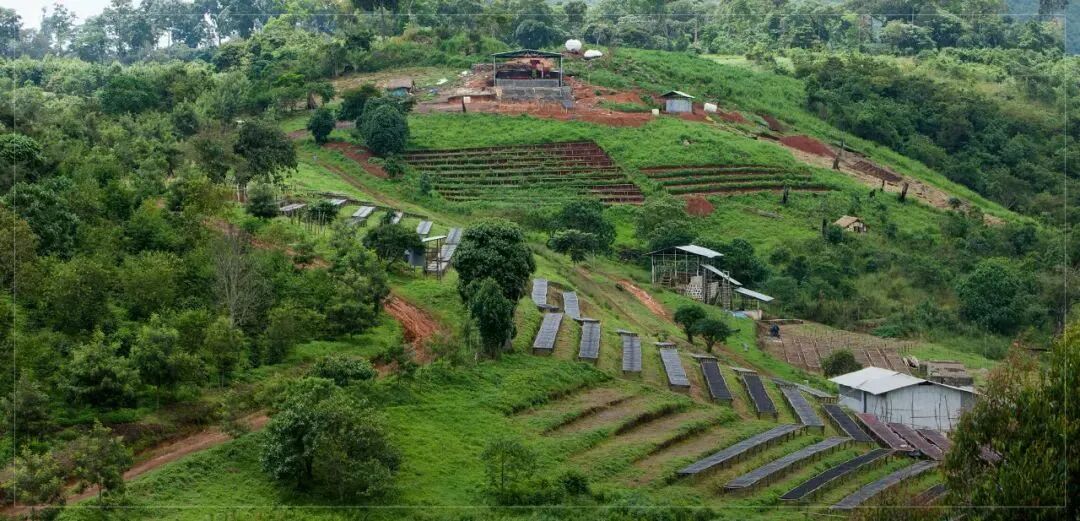
In Ethiopia, large-scale estates are not common, nor is there a well-established grading system. However, drawing inspiration from Hacienda Esmeralda’s operational model, Willem Boot and Adam transformed Gesha Village into Ethiopia’s first coffee estate to implement a strict grading system. Their products are categorized by quality and processing method into auction lots, gold label, red label, green label, and Chaka lots. Each batch can be traced back to its origin, ensuring consistent quality.

Since both estates use color-coded labels to indicate grade levels, consumers often confuse the green label from Panama’s Hacienda Esmeralda with that of Ethiopia’s Gesha Village. Here, we will take the “green label” as an example to deeply compare the similarities and differences between the two.
First, let’s look at the green-label Geisha from Panama’s Hacienda Esmeralda, which is typically washed processed, grown at altitudes between 1600 and 1800 meters, and mainly sourced from three farms: Jaramillo, Canas Verdes, and El Velo. This green label retains the classic Panamanian Geisha flavor profile, ideal for coffee lovers who prefer a bright and clean taste.
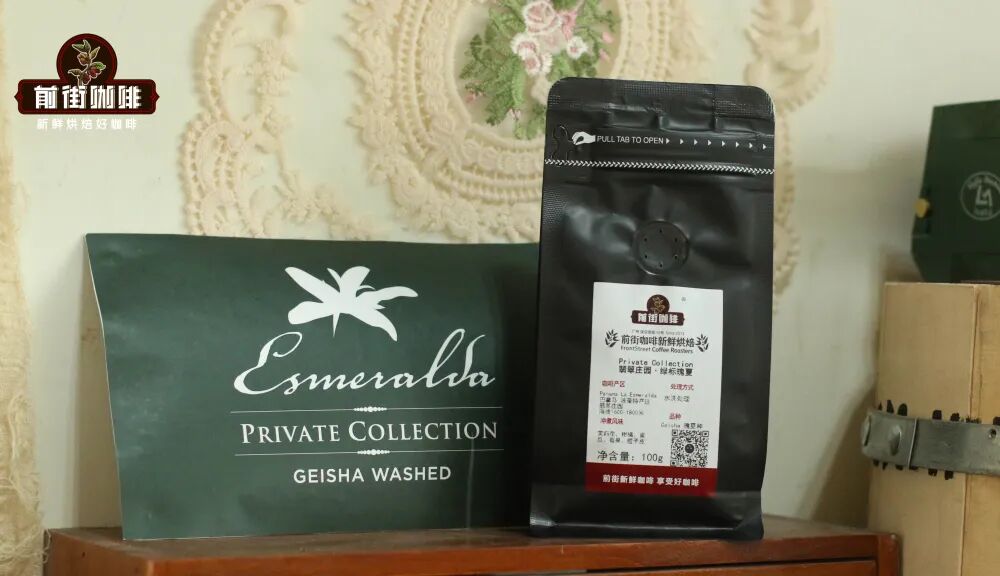
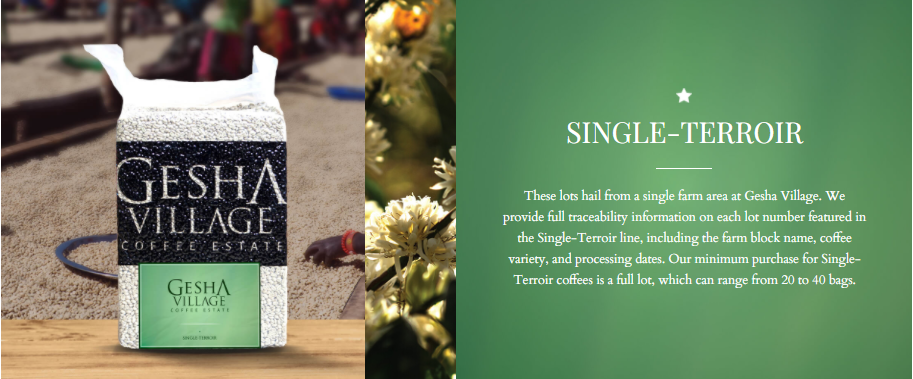
As for the green label from Ethiopia’s Gesha Village, it refers to lots from a single plot and a single variety—an uncommon practice in Ethiopian coffee, as most beans often lack detailed varietal information. The Gesha Village green label, however, offers full traceability of growing location, variety, and processing method, achieving a high level of transparency. One shop once purchased a naturally processed Gesha Village green label, highlighting its floral and fruity aromas with a medium-light roast, delivering outstanding results.
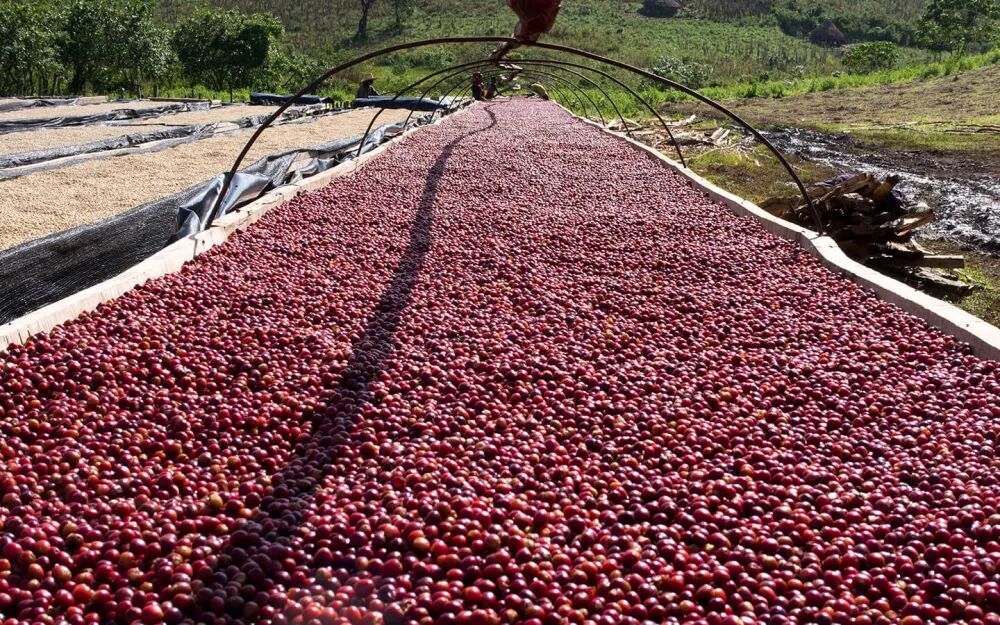
Regarding natural processing, one shop used a traditional method: first removing impurities, then spreading the coffee beans on African-style raised beds in thin layers covered with plastic sheeting during sun drying. Throughout the drying period, beans were repeatedly inspected to remove any insect-damaged or unripe ones, with the overall drying time lasting approximately 18 to 30 days. This method imparts a pronounced sweetness, smooth acidity, and rich, complex fruitiness to the coffee.
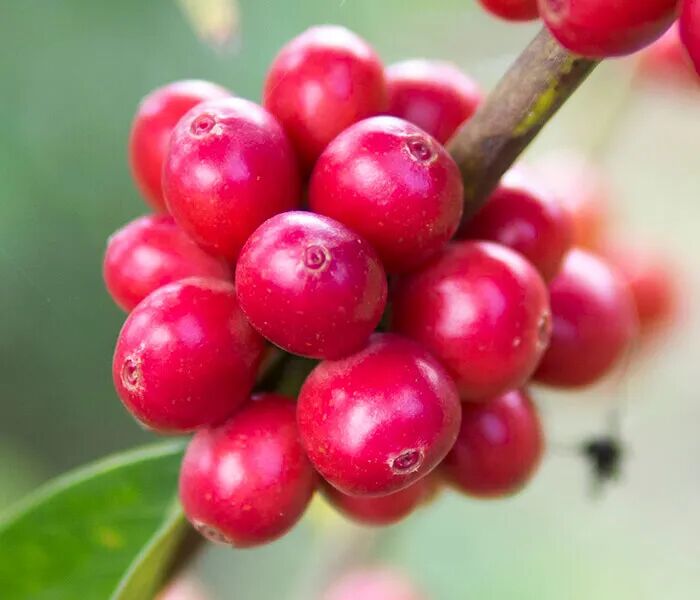
Speaking of varieties, the green-label Geisha from Hacienda Esmeralda is planted with only one variety—the fungus-resistant "geisha T2722." In contrast, Gesha Village plants two: one is the Gori Gesha from the Gori Gesha Forest, which is also the variety of the green label some shops have obtained; the other is Gesha 1931, commemorating the year the Geisha variety was discovered in 1931, commonly found in gold-label lots.
To make a more direct comparison, one shop conducted cuppings of both the Panamanian Hacienda Esmeralda green label and the Gesha Village green label. Both used 11.3 grams of coffee beans brewed at 94°C. The first four minutes were used to assess the wet aroma, followed by breaking the crust and scooping out the floaters for tasting.
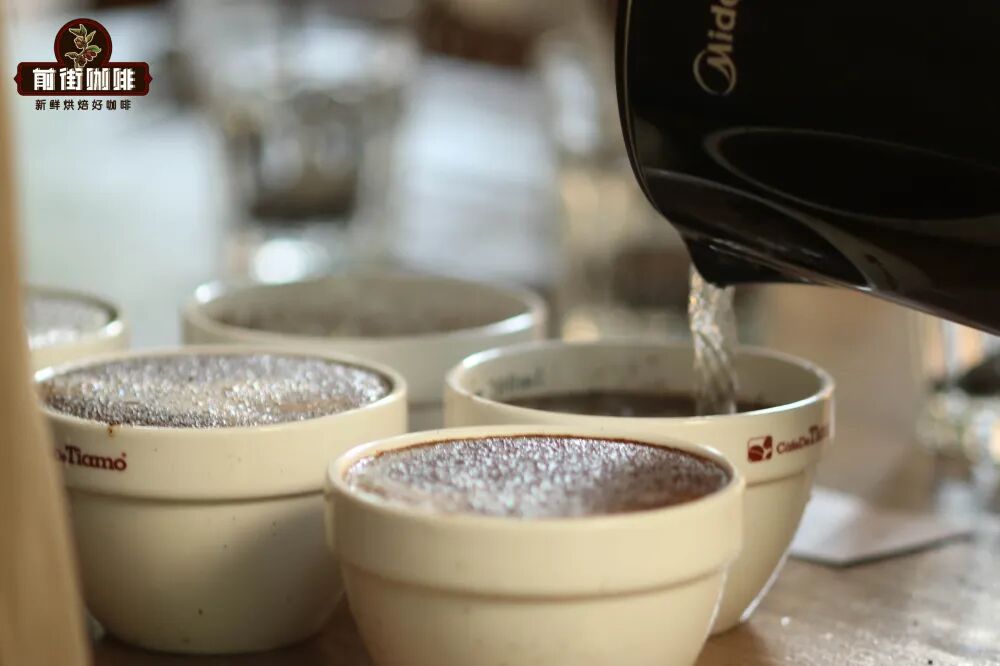
The cupping results showed significant differences in flavor direction. The washed Hacienda Esmeralda green-label Geisha displayed a clean profile, free of off-flavors, with a smooth mouthfeel. Its flavors were dominated by white florals, blueberries, lemons, and a tea-like quality, with sweetness characterized by the gentle notes of honey and brown sugar. In contrast, the Gesha Village green label leaned more toward candied fruit and raspberry notes, with intense berry aromas complemented by the bright acidity of cherries and citrus, and a lingering finish of subtle florals and black tea.
In summary, although both green-label Geishas share the same roots, differences in terroir microclimates, processing techniques, and varietal details have created distinctly unique flavor profiles. Whether you prefer a fresh, honey-like sweetness or a rich, fruity complexity, you can find your answer in these two classic green-label options.
The above content is compiled by CoffeeHunters, a coffee news website.


