







Introduction:Want to understand the unique charm of Indonesian Mandheling coffee? This article delves into the differences between two renowned Sumatran regions—Golden Mandheling and Lintong Mandheling, explains how the wet-hulled process affects flavor, and reveals the high-standard selection process and authenticity verification methods of PWN Golden Mandheling. It also offers professional pour-over recommendations, including KONO filter, 88°C water temperature, and a 1:15 coffee-to-water ratio, helping you easily brew a rich, sweet, and layered Mandheling at home.
Indonesian Mandheling coffee has long been known for its bold and full-bodied taste, occupying an irreplaceable position among single-origin coffees worldwide. This article will take you on a journey to explore the unique flavors of two classic Sumatran regions—Golden Mandheling near Lake Tawar in Aceh and Lintong Mandheling by Lake Toba. We’ll go deep into how the wet-hulled process shapes these coffees’ distinctive characteristics and explain the stringent selection criteria of Golden Mandheling produced by PWN, as well as how to identify authentic beans. Additionally, we’ll share expert pour-over advice using a KONO filter, 88°C water temperature, and a 1:15 coffee-to-water ratio, teaching you how to brew a clean, caramelly Mandheling with distinct sweetness at home.
 Nowadays, more and more coffee enthusiasts are beginning to pay attention to the stories and origin characteristics behind single-origin coffees. This trend not only enhances the drinking experience but also enriches coffee culture. Although Mandheling may not boast the bright fruity notes of Ethiopian beans or the floral-fruity tones of Geisha, its bold, solid body, syrupy texture, and low acidity still win the hearts of many coffee lovers. Its popularity, especially in the German and Japanese markets, further attests to its exceptional quality.
The wet-hulled process is a common coffee processing technique in Indonesia. The process involves briefly fermenting the beans after removing the pulp, followed by initial drying, then peeling off the mucilage and parchment layers, and finally continuing to dry until the moisture content reaches about 12%. This method often results in irregular crush marks on the surface of Mandheling beans, with colors tending toward dark or bluish-green. This processing method also directly influences the flavor profile of Mandheling, often yielding herbal, earthy, and woody notes.
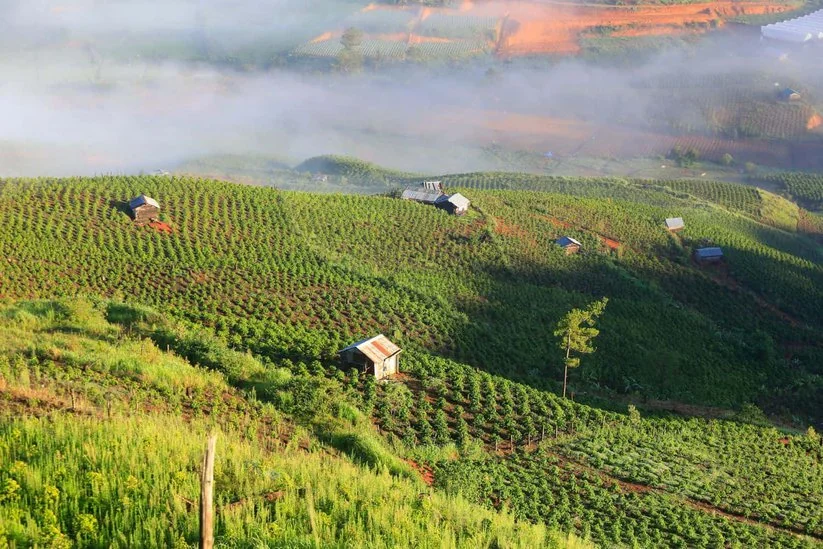
Sumatra, Indonesia, has two renowned coffee-growing regions: “Golden Mandheling” near Lake Tawar in northern Aceh and “Lintong Mandheling” in the mountainous areas around Lake Toba in the south. Together, they are hailed as the “Two Lakes, Two Mandhelings.” Due to the prevalence of smallholder farming and semi-washed processing methods, combined with low iron content in the soil, the green beans often exhibit a unique bluish-green hue. Among them, Lintong Mandheling is the traditional version of Mandheling, often featuring herbal and musty aromas, making it a popular entry point for beginners to experience Indonesian flavors. It’s also listed as a daily-drinking bean for a certain brand.
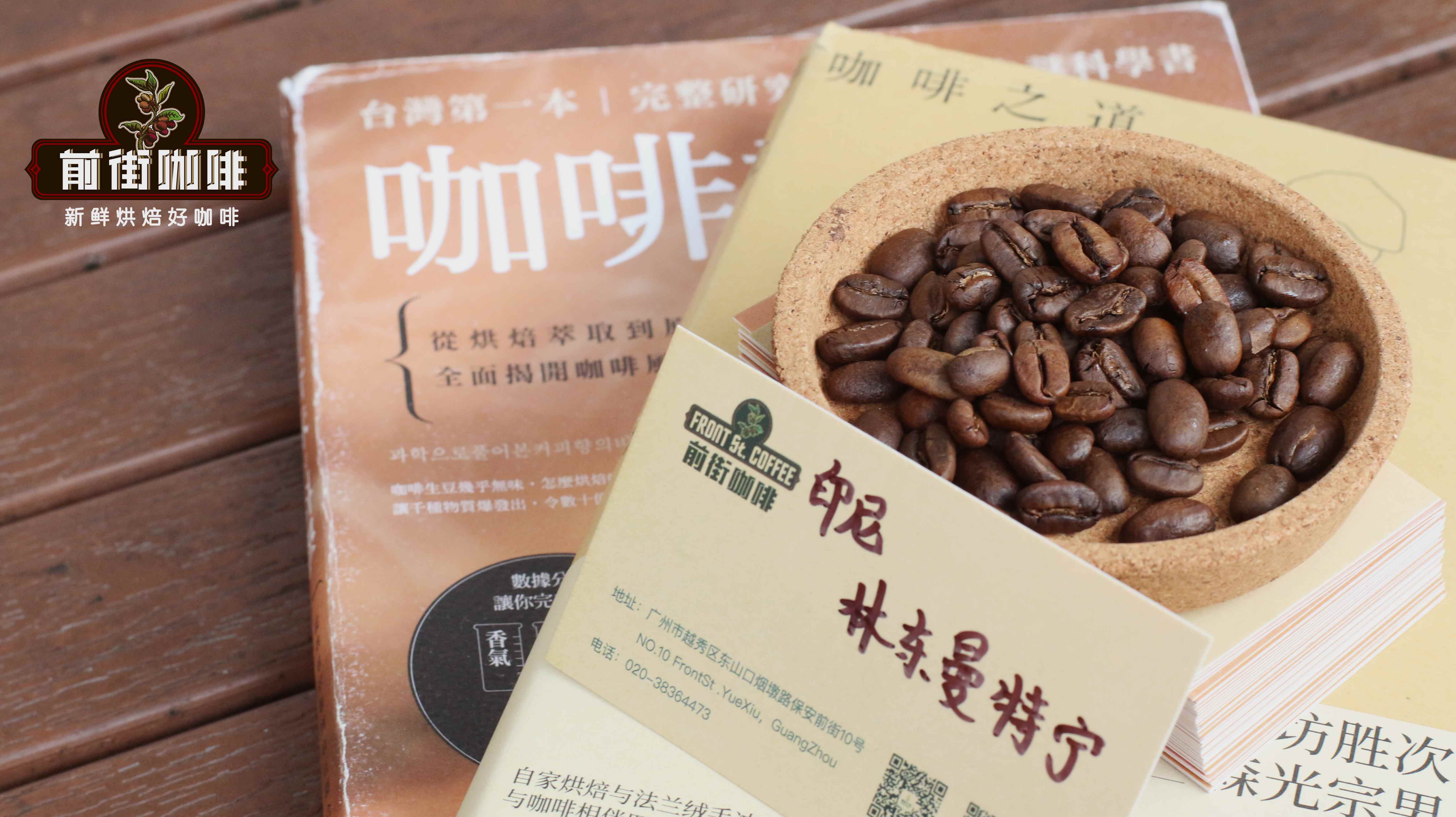
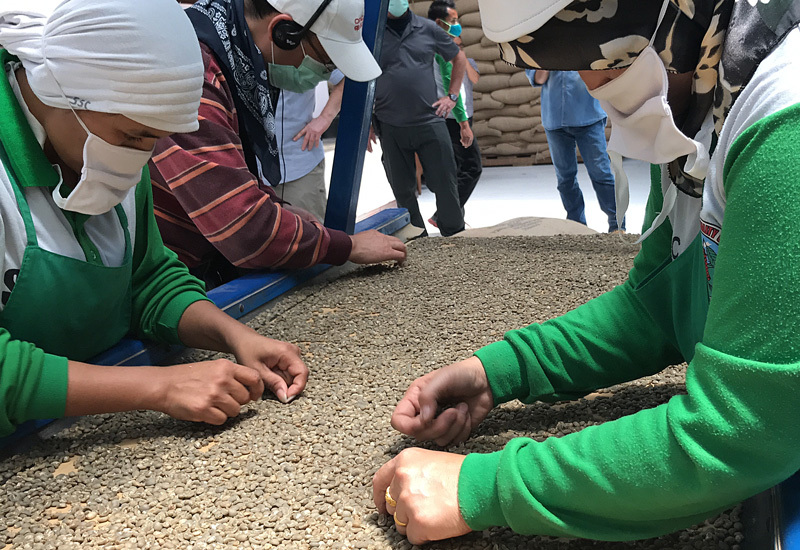
As for Golden Mandheling, it is a patented product of Indonesia’s PWN company. The brand has long registered the trademark “Golden Mandheling,” so only Mandheling produced by PWN can legally use this name. This coffee is meticulously selected from beans of 18+ screen size with minimal defects—samples of 300 grams contain no more than 3 defective beans, meeting Indonesia’s highest grade G1. In addition to machine sorting, it undergoes three rounds of manual picking to ensure high consistency in size, shape, and color. As a result, PWN Golden Mandheling generally delivers cleaner flavors, brighter sweetness, and more complex flavor layers.
Among the many Mandheling varieties tried, whether Tiger Mandheling, aged Mandheling, or sun-dried versions, a certain brand particularly champions PWN’s Golden Mandheling. This coffee is entirely handpicked at the harvesting stage, processed via SEMI-WASHED (semi-washed) methods, refined through natural sun-drying and multiple drying stages, and goes through two rounds of green bean cleaning and three rounds of manual selection. It not only meets G1 grade and 18+ screen size specifications but also undergoes three rounds of manual defect removal to ensure the purity and consistency of the final flavor.
From cupping results, PWN Golden Mandheling often exhibits premium herbal aromas, rich caramel sweetness, and a soft chocolatey tone, making it a top choice for many coffee aficionados. Note that the “Golden Mandheling” trademark is exclusively owned by PWN. While there are many high-quality hand-selected G1 Mandhelings on the market that may look similar, their flavor profiles often fall slightly short. To confirm authenticity, you can request the sack packaging and relevant certification documents from the supplier—some shops even publicly display the original sacks as proof.
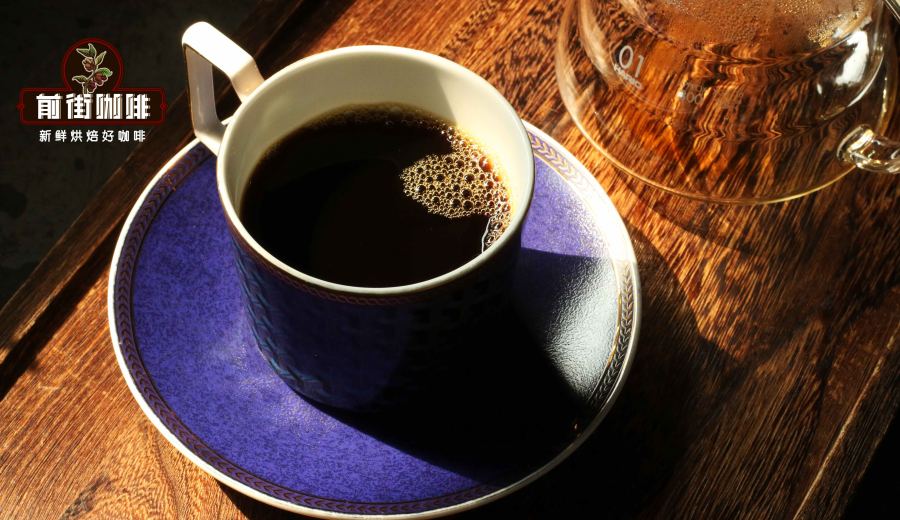
When it comes to brewing Mandheling, many people’s first impression is “bitter,” but in reality, high-quality Mandheling should have a brief bitterness that quickly transforms into a lingering aftertaste. Due to its intense flavor and often medium-to-dark roast level, it’s recommended to use a KONO filter to stabilize extraction flow, reduce impurities, and prevent over-settling. The conical design of the KONO filter, along with its bottom groove, helps achieve even filtration and improves water and air flow, resulting in more concentrated and full-bodied coffee flavors.
For parameter settings, it is recommended to control the water temperature at88°C—too high can lead to over-extraction, resulting in noticeable bitterness and astringency. The coffee-to-water ratio should be based on1:15as a benchmark, suitable for medium-to-dark roasted Mandheling, balancing body and clarity. Grind size can refer to a Chinese standard 20-mesh sieve passing rate of about70%, which equates to a medium-coarse to medium grind, appropriate for most pour-over needs.
During actual brewing, it’s recommended to use a staged extraction method: start by pouring30 grams of water for a 30-second bloom, then continue pouring in small circles until reaching125 grams for the first pour. Once the water level drops and is about to expose the coffee bed, pour again up to225 grams total, and stop the extraction and remove the filter when the water level lowers again. When using a KONO filter, the overall extraction time is recommended to be aroundapproximately 2 minutes and 10 seconds, slightly longer than a typical V60, helping to fully highlight Mandheling’s richness and layered sweetness.
The above content is compiled by CoffeeHunters, a coffee news website.


