







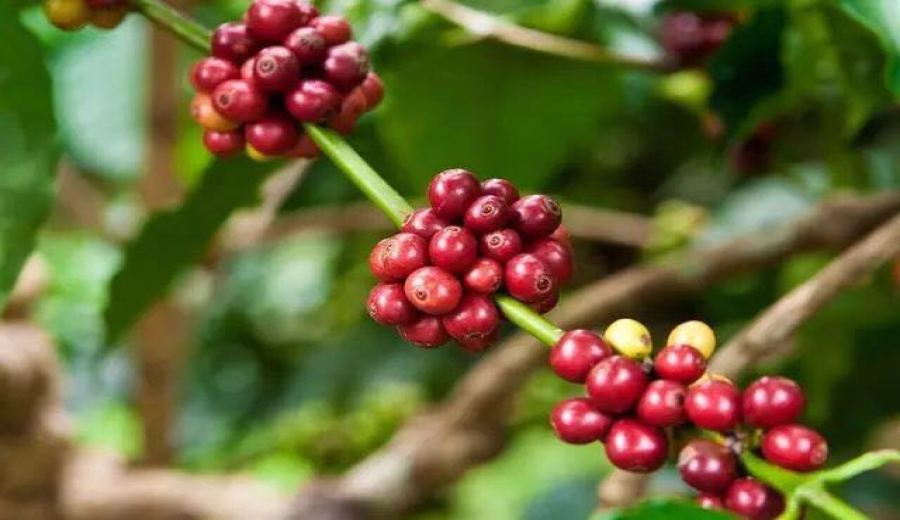
Introduction:Sumatra Mandheling is renowned for its rich, full-bodied flavor with low acidity, making it a timeless classic among global coffee enthusiasts. This article will delve into the geography and climate of Sumatra’s major producing regions such as Lintong and Lake Toba, explore the background of the Mandheling variety and the origins and impact of the wet-hulled processing method, compare the flavor differences between Golden Mandheling and Lintong Mandheling, and finally provide practical pour-over brewing tips and storage advice to help you fully master this classic coffee.
Sumatra Mandheling coffee stands out with its bold and robust profile, maintaining a strong presence in today’s market that often emphasizes fruity and floral notes. This classic Indonesian Arabica bean not only holds an important position in the global specialty coffee scene but also delivers a unique flavor profile characterized by low acidity, richness, and layered complexity, thanks to its distinctive wet-hulling process. Understanding its producing regions, variety background, and processing methods is key to appreciating Mandheling.
Sumatra: What Makes the Coffee-Humid Plateau Different?
As one of the first regions in Asia to introduce coffee, Indonesia’s coffee cultivation history dates back to 1696. Dutch colonists initially established coffee plantations on Java Island, but over time, Sumatra, with its unique geography and climate, gradually became representative of Indonesia’s specialty coffee. In fact, many exported beans previously labeled as “Java coffee” actually originated from Sumatra.
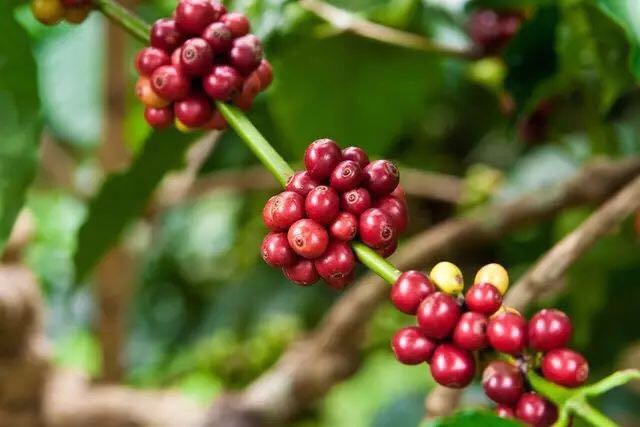
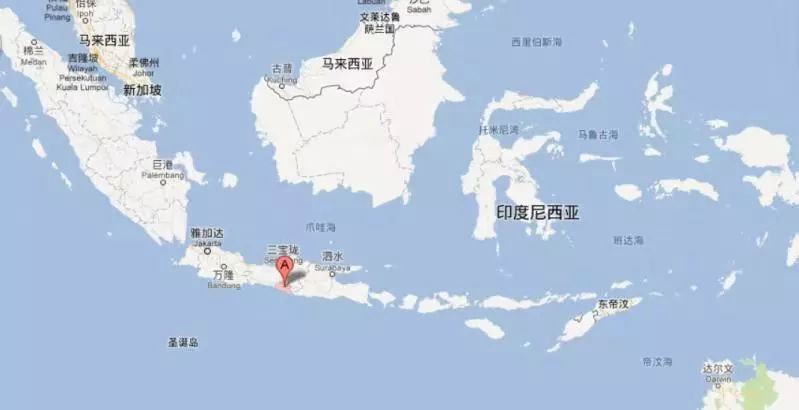
Sumatra’s coffee is mainly produced in the northern part of the island, in the provinces of Aceh and North Sumatra, where elevations typically range between 1200 to 1800 meters. The climate is influenced by a mix of tropical rainforest and highland conditions, with high humidity and abundant rainfall, contributing to the coffee beans’ bold and layered characteristics.
Lintong and Lake Toba: The Soulful Producing Regions of Mandheling
When discussing Sumatra Mandheling, the two core producing regions—Lintong and Lake Toba—cannot be overlooked.Lintong is located in central-northern Sumatra, while Lake Toba is the world’s largest volcanic lake, surrounded by mountainous areas with cool climates and high altitudes, making it an ideal environment for cultivating specialty coffee.Coffee in the Lintong region is mostly grown on clay plateaus at elevations of 1400 to 1800 meters. The area features dense vegetation, no chemical fertilizers, and no shade trees. The resulting coffee beans are generally known for their high density and hardness, with larger bean sizes.
Common varieties in Lintong Mandheling include Jember, Garundang Typica, and Ateng. Among these, Ateng is a variety with Robusta genes, which explains the herbal and medicinal notes often found in Mandheling coffee. These coffee beans require strict sorting during processing to ensure consistent quality.
Lake Tawar: The Birthplace of Emerald Mandheling
Lake Tawar, located in the Gayo Highlands of Aceh Province, is a crater lake formed by volcanic activity, sitting at an elevation of about 1100 meters. Coffee cultivation in this area started relatively late, not developing until the 1930s, but the region’s unique volcanic soil, significant day-night temperature variations, and the frequent foggy conditions in the mountains produce a “Emerald Mandheling” with delicate flavors and unique aromas, also known internationally as Lake Tawar Mandheling.
Mandheling Varieties and Genetic Origins
The varieties used in Mandheling are mostly TimTim and Ateng, which carry Robusta genes. TimTim refers to Timor, a natural hybrid of Arabica and Robusta, while Ateng is Catimor, a cross between Caturra and Hybrido de Timor.Although these varieties are highly resistant to disease, the lack of significant day-night temperature differences causes their flavor development to lean towards being bold, heavy, and infused with herbal, spicy, and woody notes.
Wet-Hulled Processing: The Key to Mandheling’s Unique Flavor
Indonesia’s rainy and humid weather is not conducive to traditional sun-drying or washed processing, so the region has developedwet-hulling (Giling Basah)as a unique processing method.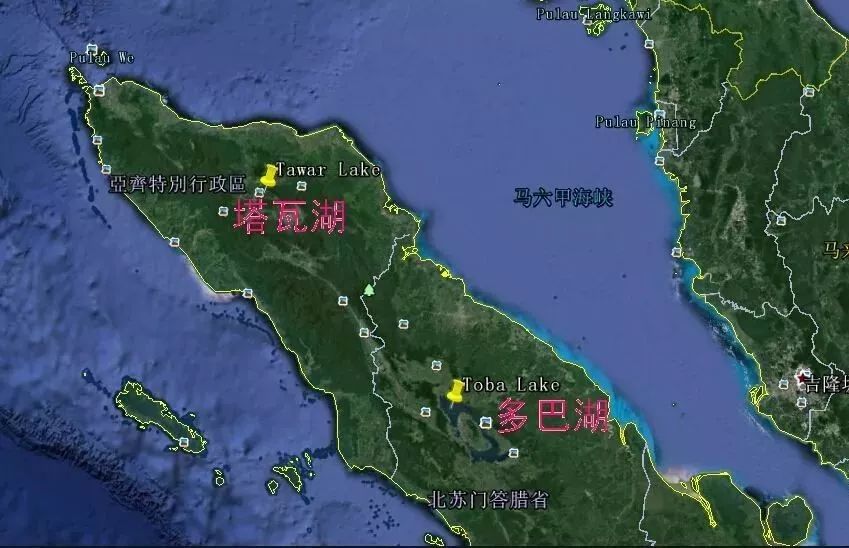 This technique involves removing the coffee bean’s skin and pulp, then allowing only a brief fermentation and initial drying before prematurely removing the parchment layer. This allows the beans to continue drying while still retaining a certain level of moisture. This rapid processing method significantly shortens fermentation and drying times, usually taking just 2 to 4 days, resulting in lower acidity, higher body, and intense caramel, herbal, and woody aromas.
Coffee beans processed with the wet-hulling method often exhibit surface cracks and a darker greenish color—both of which are normal. Additionally, because the beans are still semi-dry during processing, hulling can create compression, forming what is known as “goat hoof beans” or kuku kambing. This is actually a physical characteristic unique to the wet-hulling method, not a defect.
Golden Mandheling: The Synonym for Premium Mandheling
Golden Mandheling is a premium-grade Mandheling sourced from the Gayo Highlands of Aceh, produced and trademarked under strict selection by Indonesia’s official coffee trader, PWN. Only beans that meet PWN’s selection standards—fewer than 3 defects per 300 grams, G1 grade, and intact bean shape—are qualified to be called Golden Mandheling.Its processing undergoes multiple rounds of manual and mechanical sorting, ultimately presenting a uniform and high-quality appearance of green beans.It is said that under sunlight, these coffee beans emit a faint golden glow, hence the name.
Golden Mandheling offers a clear, rich, and balanced flavor profile, often featuring intense notes of nuts, caramel, and chocolate, with a long and clean aftertaste. In contrast, typical Lintong Mandheling tends to have more herbal, dark chocolate, and caramel tones, with a pronounced sweetness.
Brewing Advice and Storage Guide from This Shop
For brewing Mandheling, it is recommended to use a medium-dark roast, paired with a medium-fine grind (e.g., 75% passing through a Chinese standard 20-mesh sieve).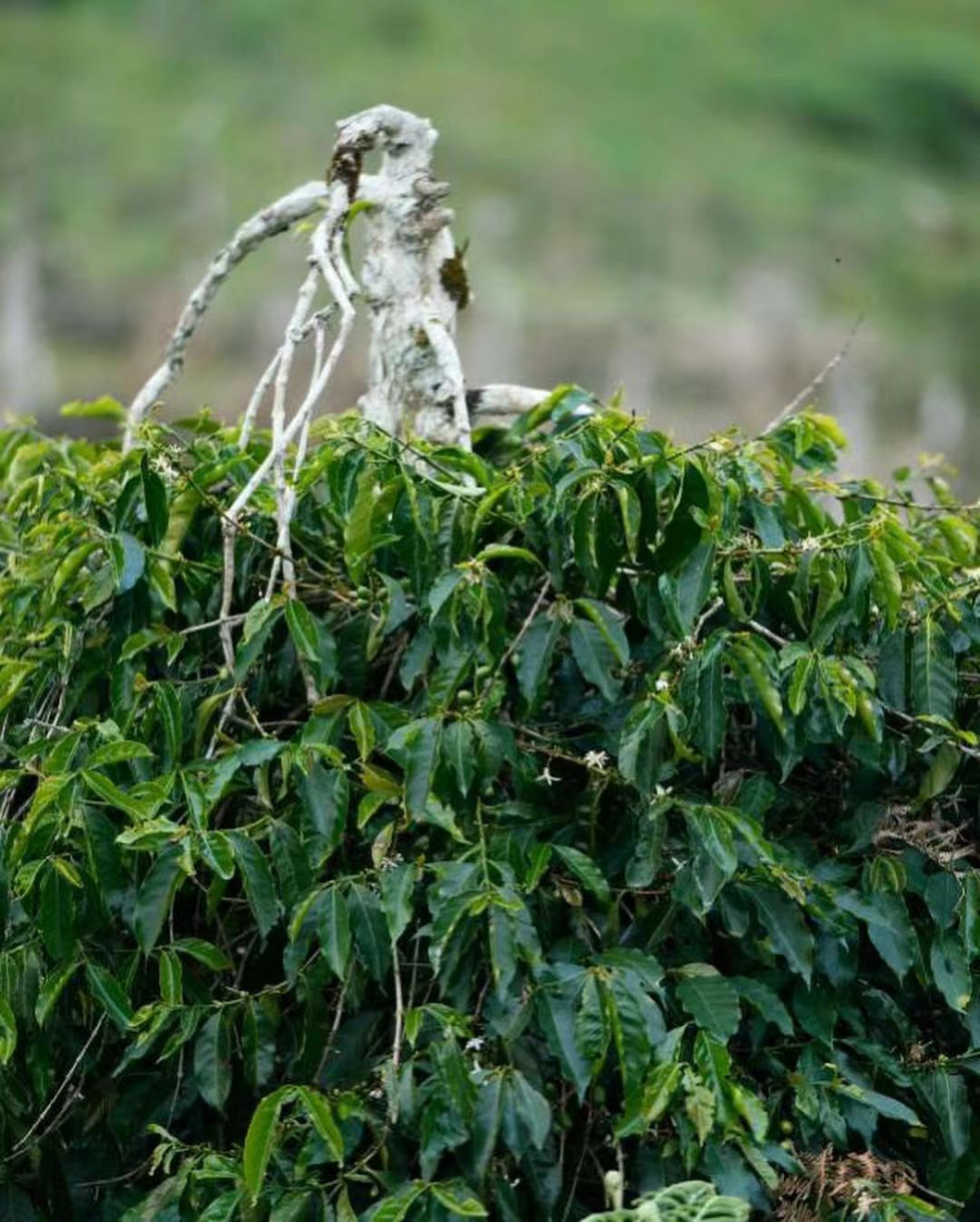 For example, using a KONO filter, set the water temperature to about 88°C, with a brew ratio of 1:15. Use 15 grams of coffee, blooming with 30 grams of water for 30 seconds, then pour in a small stream of water up to 125 grams for the first pour, followed by a second pour up to 225 grams before stopping. The total extraction time is around 2 minutes. These parameters help bring out Mandheling’s rich sweetness and full body.
Regarding storage, it is recommended to let freshly roasted Mandheling rest for 4 to 7 days to allow the beans to degas and stabilize in flavor. If purchasing pre-ground coffee, it is best to consume it as soon as possible to avoid oxidation affecting the aroma. For optimal flavor, choose whole beans and grind them fresh before brewing to fully experience the unique charm of Sumatra Mandheling.
The above content is compiled by CoffeeHunters, a coffee news website.


