







Introduction:Delve into Ethiopia’s Sidama region’s most iconic Huākuí coffee beans, exploring the flavor evolution from versions 6.0 to 8.0, the terroir environment, and professional pour over parameters. This article unpacks the unique charm of the natural processing method, offering precise brewing recommendations to help coffee enthusiasts unlock the flavor code and brewing secrets of this classic bean.
As the birthplace of coffee, Ethiopia is home to numerous distinctive producing regions, with Sidama renowned for its rich berry tones and creamy-smooth mouthfeel. The “Huākuí” series, grown in the region’s Hambela area, gained attention among coffee lovers for winning the TOH competition and rising market popularity.
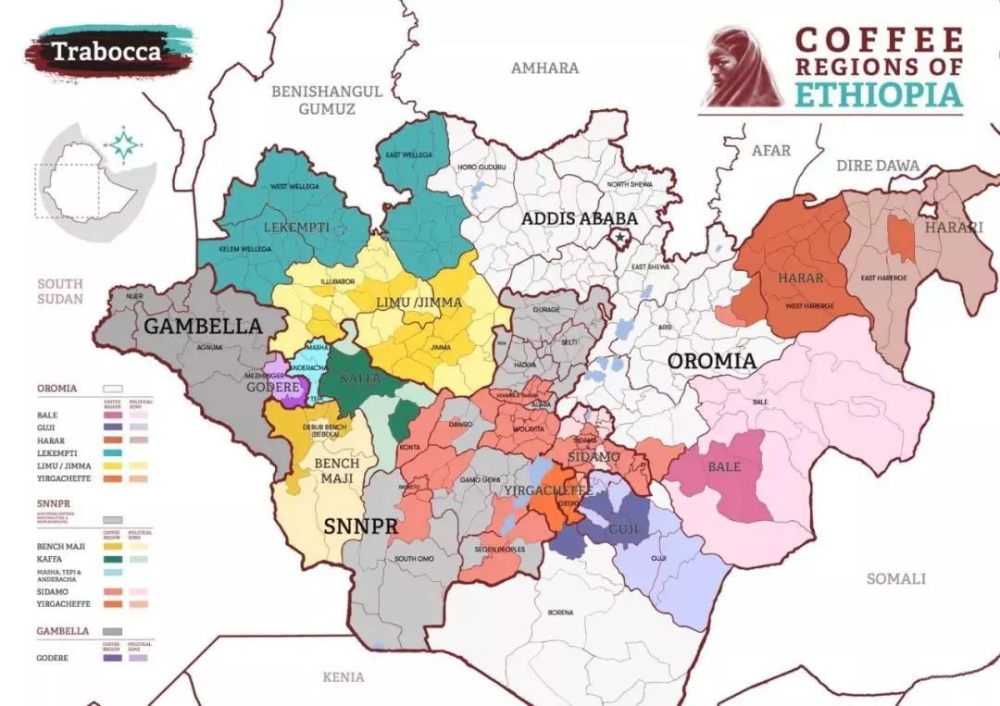
The Sidama region spans diverse microclimates, with significant variations across sub-regions. Areas like Uraga and Bench Maji are known for their pronounced fruitiness, while Hambela has risen to fame in recent years due to award-winning beans. The region generally sits above 2,000 meters altitude, where natural shade from tropical crops fosters coffee cherries that are plump and rich in layered flavors.
The Huākuí series takes its name from the 2017 TOH competition champion bean. This natural-processed coffee from the Buku Abel washing station stunned judges with its intense berry and cream flavors, and was dubbed “Huākuí” by an importer based in Beijing. That same batch was used by competitors in China’s brewing competitions that year, even standing out in events dominated by Geisha, helping solidify its market presence.
The series uses a yearly numbering system: the original Huākuí debuted in 2017, with subsequent versions released yearly up to version 6.0 in 2022. Notably, the 2024 new harvest continues the tradition with the launch of Huākuí 8.0, reflecting the region’s continuously refined cultivation techniques. One roaster noted that around 20–30% of the 6.0 batch exhibited defects, but after sorting, it retained vibrant berry and passionfruit notes, with prominent sweetness though slightly inferior bean appearance compared to previous years.
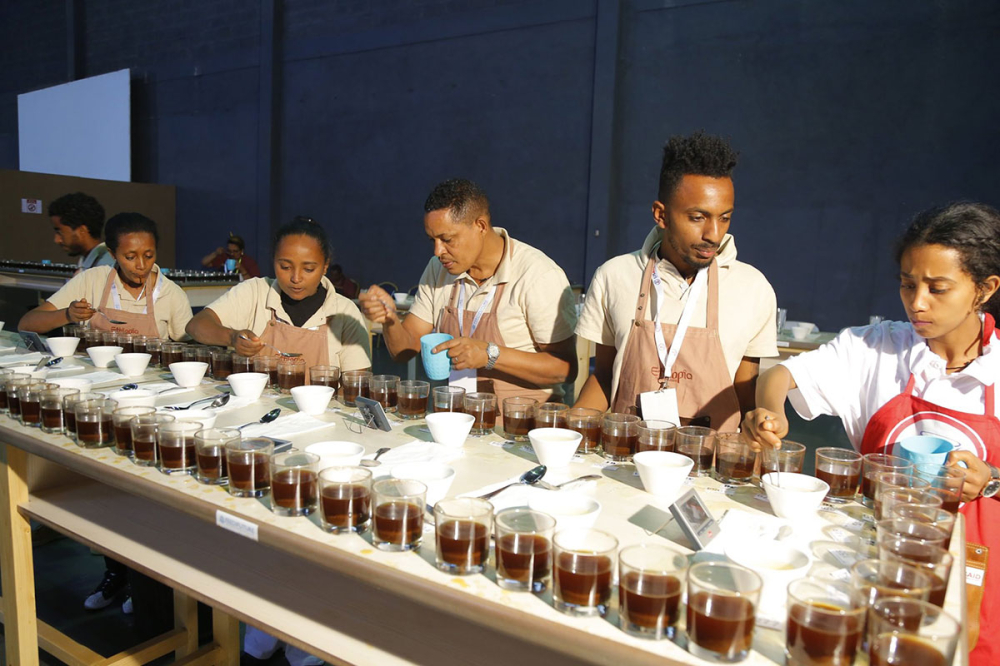
For the characteristics of Huākuí 6.0, professionals recommend a medium-light roast to balance fruity florals with caramelization. Cupping results show honey-like sweetness and a juicy body, paired with citrus acidity for a vibrant profile. Alternative batches present brighter citrus acidity and honey sweetness, with distinct floral notes—ideal for those who prefer a cleaner, crisper cup.
The latest Huākuí 8.0 maintains the tradition of natural processing, with roasters using a medium-light roast to enhance tropical fruit notes while preserving balanced caramel sweetness. This coffee perfectly embodies Sidama’s signature floral-fruity aromas, with excellent acidity-sweetness balance and a mellow finish featuring hints of apricot and jackfruit.
Pour over parameter recommendations:
• Dripper: Hario V60
• Water temperature: 90°C (precise control to avoid over-extraction)
• Coffee dose: 15 grams (accurately measured for consistency)
• Coffee-to-water ratio: 1:15 (the golden ratio balancing strength and flavor)
• Grind size: 80% passing through a Chinese standard #20 mesh sieve (equivalent to medium-fine grind)
Brewing steps: Begin with a 30-second bloom to release aroma, pouring 30 grams of hot water to degas the coffee; then pour in a circular motion centered until reaching 125 grams, and continue pouring until the total water volume reaches 225 grams. The entire brew should take about 2 minutes, maintaining steady water flow to avoid channeling. Special reminder: freshly roasted beans should rest for 4–7 days for optimal flavor expression.
The above content is compiled by CoffeeHunters, a coffee news website.


