







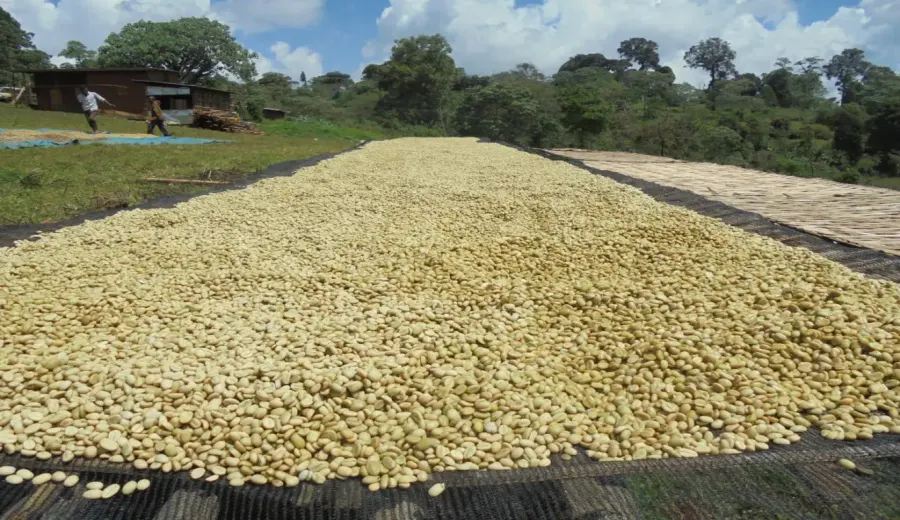
Introduction:This article delves into the washed coffee beans from the Gotiti Cooperative in the Wolkite region of Ethiopia's Yirgacheffe area. It explores the production background, regional characteristics, and the impact of washed processing on flavor. It also provides detailed three-stage pour-over brewing parameters and practical tips to help you easily brew a high-quality Yirgacheffe with citrus, lemon acidity, and jasmine floral notes.
The Gotiti Cooperative is located in the Wolkite region, in the southeastern part of Ethiopia’s Yirgacheffe area. It became independent from the original Wolkite Cooperative in 2012 and is jointly operated by about 300 local farmers. This region is hailed as the coffee sanctuary of Yirgacheffe, long committed to traditional washed and natural processing methods. Among them, the washed lots are known for their refreshing citrus and lemon tones, along with delicate jasmine floral aromas. The taste is clean and bright, making it highly suitable for pour-over brewing. With medium-light roasting, it better highlights the fruit and floral layers, and is suitable for various brewing methods such as pour-over, cold brew, and French press.
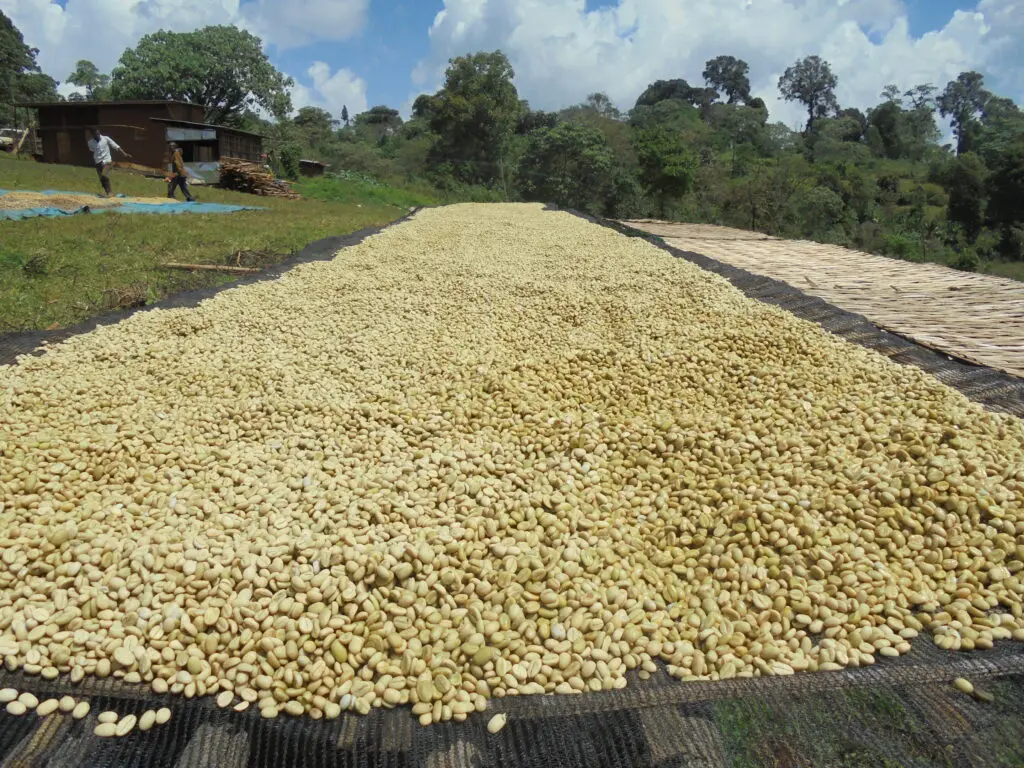
The Wolkite region where Gotiti is located is one of the higher-altitude areas within Yirgacheffe. Coffee is generally grown at elevations close to 2000 meters, with some plots reaching up to 2100 meters. The high-altitude environment helps the coffee cherries ripen slowly, resulting in denser beans and a richer accumulation of flavor compounds. Coupled with the moisture from nearby Lake Turkana, Lake Abaya, and Lake Chamo, the area enjoys a cool and foggy climate year-round, contributing to the world-renowned unique floral and fruity aromas of Yirgacheffe.
Most coffee in the Yirgacheffe region is cultivated by smallholder farmers, with each household managing about one hectare of land and limited production. As a result, most of the coffee is sent to local cooperatives for unified processing and grading. The collective operation of cooperatives not only helps stabilize quality but also ensures that farmers receive more reasonable compensation. On the market, coffees commonly named after cooperatives—such as Gotiti, Worka, Konga, and Adado—are representatives of rigorously processed and quality-controlled products.
Traditional natural processing can preserve rich sweetness, but if not well controlled, it can introduce off-flavors. In contrast, washed processing removes the pulp and includes fermentation and washing steps, which effectively reduce earthy, overripe, and fermented off-notes. This results in a purer, brighter acidity and clearer floral and fruity profiles. This is why many coffee enthusiasts, when first trying Yirgacheffe, are often impressed by its fresh fruity acidity and floral notes. Gotiti’s washed beans are a prime example, perfect for beginners looking to experience the classic flavor profile of Yirgacheffe through pour-over.
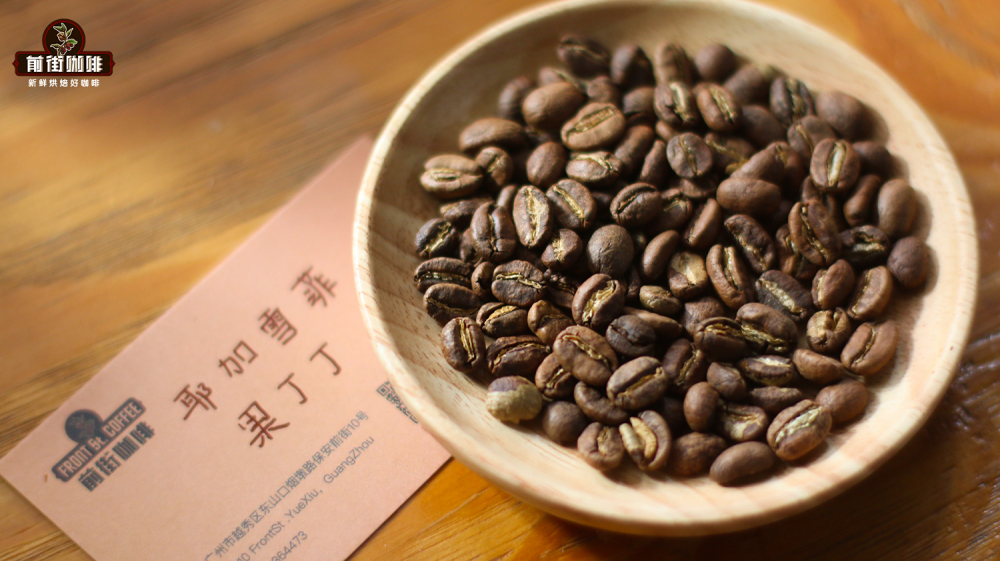
The Gotiti Cooperative Yirgacheffe sold by this shop is medium-light roasted, fully preserving its fruity character. During cupping, notes of passionfruit, citrus, and berries are distinctly perceptible. Upon tasting, there is bright citrus acidity, berry sweetness, and a soft almond note, with a honey-like sweetness lingering in the finish. The overall body is relatively light, but the layers are clear, with clean and refreshing acidity—making it an excellent choice to experience Yirgacheffe’s reputation as a “fruit bomb.”
To successfully brew the essence of this coffee at home, it is recommended to use the three-stage pour-over method. This technique helps achieve even extraction, avoids over- or under-extraction, and allows flavors to be released layer by layer, improving the overall balance and complexity of the cup. Using 15 grams of coffee grounds with a 1:15 brew ratio as an example, the total water volume is 225 ml, divided into three pours: the first 30 ml for the bloom, lasting 30 seconds; the second 95 ml to lift the coffee bed and bring out primary flavors; and the third 100 ml to refine the finish, with a total extraction time of about 2 minutes.
In practice, you can use a V60 dripper with a spiral ridge design, which aids in gas release and aroma diffusion from the coffee bed. A medium-fine grind is recommended, approximately equivalent to 78% extraction through a Chinese standard No. 20 sieve, similar in coarseness to superfine sugar. Too coarse a grind leads to insufficient extraction and a thin-bodied cup, while too fine may cause over-extraction and bitter, astringent notes under high water temperature.
The recommended water temperature is between 92°C and 93°C, which effectively highlights the floral and fruity aromatic compounds in light-roasted coffee. If using a regular stove or electric heater at home, it’s advisable to use a thermometer or rely on experience to avoid overly high temperatures causing sharp acidity, or too low a temperature leading to incomplete extraction.
For the brewing steps, first fold the filter paper and place it in the V60 dripper. Preheat the dripper and server with hot water, then discard the rinse water. Next, add 15 grams of medium-fine ground Gotiti coffee into the dripper, gently shake to level the coffee bed, and reset the scale to zero. Pour 30 grams of hot water for the bloom, starting from the center and spiraling outward slowly to ensure all coffee grounds are evenly saturated. Bloom for 30 seconds to initiate flavor release. The second pour involves adding 95 grams of water with slightly more flow, aiming to complete this around the 55-second mark, reaching a total of 125 grams. This stage helps expand the coffee bed and extract the main flavors. The final pour begins when the liquid level drops to about half, using a small stream and tight spiral to add 10
It’s important to note that the aroma and flavor of washed Yirgacheffe beans are extremely delicate. Once left standing for too long, their bright fruity acidity and floral notes can easily fade, and woody undertones may even emerge. Generally speaking, freshly roasted coffee beans have an optimal flavor window of about one and a half months after grinding, with peak flavor concentrated between 2 to 4 weeks post-roast. Therefore, it is recommended to choose freshly roasted beans and brew them as soon as possible after grinding to fully experience the true, vibrant citrus and floral layers of Guodingding Yirgacheffe.
The above content is compiled by CoffeeHunters, a coffee news website.


