







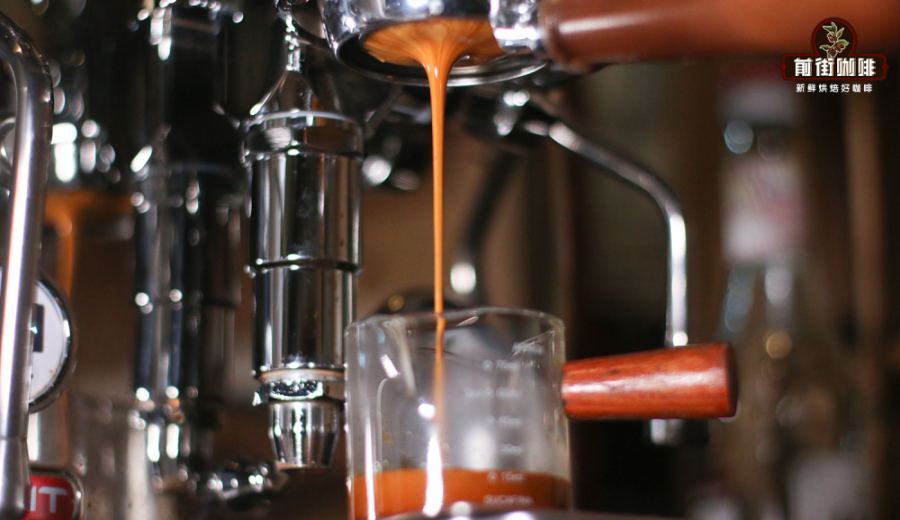
Introduction:To brew a qualified shot of espresso, it is essential to precisely control key parameters such as extraction time, coffee-to-water ratio, and grind size. This article delves into the impact of these variables and explains why espresso coffee grounds are only suitable for single-use extraction. Understanding the principles of extraction and practical operation helps you pull a balanced and layered shot of espresso.
To brew an espresso that meets standard quality, variables such as extraction time, coffee-to-water ratio, grind size, flow rate, water pressure, and water temperature all play critical roles. These elements not only affect the coffee's concentration and mouthfeel but also directly determine its final flavor profile. Below, we will start from the basic principles of extraction and gradually analyze how each parameter influences espresso quality, and explain why used coffee grounds are not recommended for re-extraction.
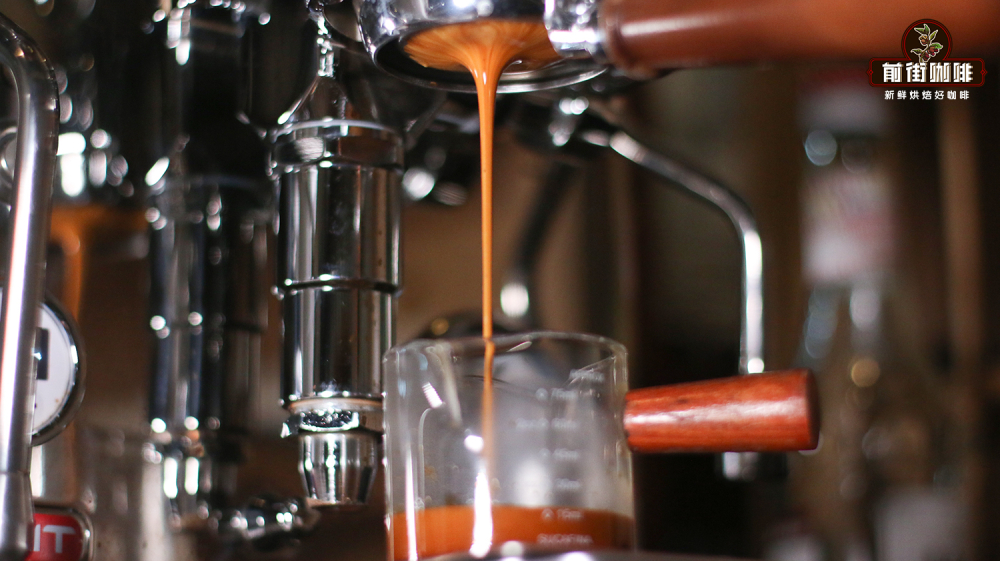
The so-called espresso, originating from the Italian word meaning "pressed out," is characterized by using high-pressure water to quickly penetrate an extremely fine puck of coffee grounds, achieving a highly concentrated and extracted result. Unlike pour over coffee, which relies on gravity for natural filtration, espresso machines typically push hot water through at 9 to 10 bar of pressure. Even with extremely fine coffee particles, this maintains a stable flow rate and extraction efficiency. This high-pressure environment allows water to penetrate deep into the coffee cell walls, effectively dissolving oils, sugars, and aromatic compounds — something gravity-based filtration alone cannot achieve. Therefore, to brew an espresso with intense flavor and complex layers, excellent extraction technique and proper parameter settings are crucial.
So, why are espresso coffee grounds unsuitable for a second extraction? The key lies in the proportion of soluble aromatic compounds released. Generally, roasted coffee beans contain about 30% soluble aromatic substances and 70% lignocellulosic matter. According to the so-called Golden Cup extraction theory, an extraction yield between 18% and 22% is considered the optimal range for showcasing delicious flavors. When hot water contacts the coffee grounds, soluble substances gradually release from the cell walls and dissolve into the water. However, once the extraction yield reaches around 22%, continuing to pour water or re-extract mainly draws out large-molecule off-flavor components, which can disrupt the original flavor balance, leading to bitterness, astringency, and a noticeably rough mouthfeel.
Next, we will further explore several key parameters that significantly influence espresso extraction. These elements are interrelated and require comprehensive adjustment to achieve optimal extraction results.
1. Coffee-to-Water Ratio
The coffee-to-water ratio refers to the weight ratio of coffee grounds used to the final weight of extracted coffee liquid. This is the primary factor affecting espresso concentration and flavor expression. The common portafilter capacity in most shops is a double shot designed for 20 grams, with actual usage slightly adjusted based on extraction conditions. The typical coffee-to-water ratio range is 1:1.5 to 1:2.5, and the most widely adopted standard is 1:2 — for example, 20 grams of coffee grounds yielding 40 grams of coffee liquid. If too much water is used, the coffee liquid becomes overly diluted, with muted flavor layers and a weak taste. Therefore, choosing the right coffee-to-water ratio is the first step to ensuring concentrated flavor.
2. Grind Size
Since espresso extraction usually takes only a few dozen seconds, the coffee grounds must be ground extremely fine and uniformly to effectively release the required aromatic compounds within a short time.It is recommended to use a professional electric grinder to ensure grinding fineness and consistency.If the grind is too coarse, water flows through too quickly, resulting in under-extraction, leading to sour and thin flavors. Conversely, if the grind is too fine, it may lead to over-extraction, producing bitterness and off-flavors. Adjusting grind size requires careful fine-tuning to avoid making large adjustments at once, which can affect overall extraction stability.

3. Extraction Time
Extraction time refers to the total duration from when the extraction button is pressed to when the water stops flowing. It is generally recommended to keep it between 25 and 30 seconds. If the coffee-to-water ratio is fixed at 1:2, time can be controlled by adjusting grind size or the amount of coffee grounds. An extraction time that is too short (less than 25 seconds) may lead to under-extraction, resulting in weak flavors and prominent acidity. If the time is too long (over 30 seconds), over-extraction is likely, causing burnt bitterness and unpleasant sharpness. In practice, many shops aim for an extraction time of 29 to 30 seconds to balance flavor release and avoid over-extraction.
4. Flow Rate
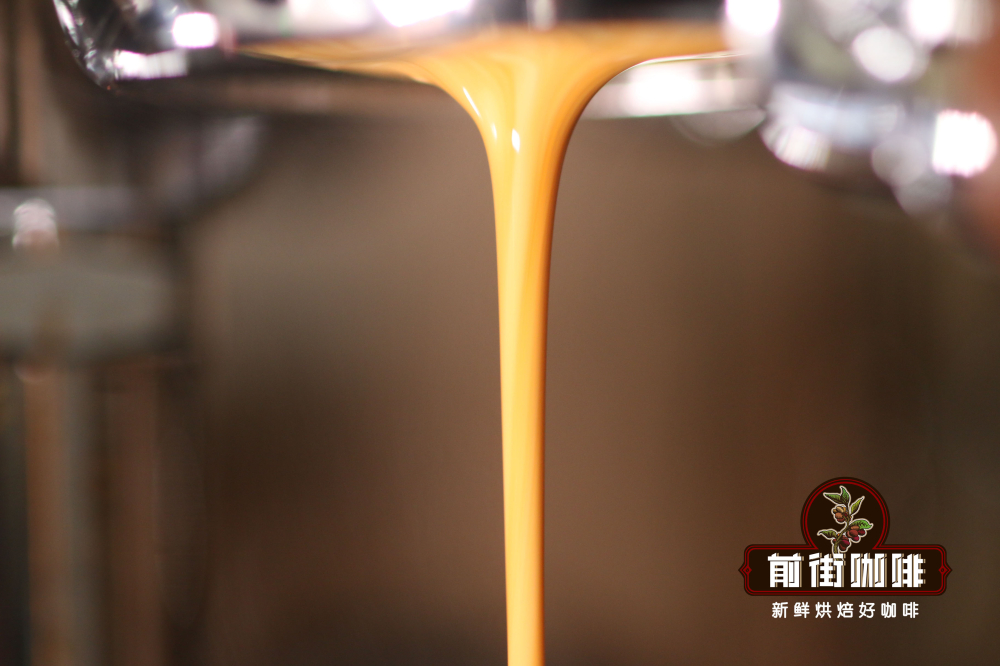
Flow rate refers to the speed at which coffee liquid flows out from the coffee puck, and it is also an important indicator of whether other parameters are set correctly. Ideally, coffee liquid should begin to drip roughly around the 5-second mark after pressing the extraction button, and then maintain a stable flow. If it takes more than 10 seconds to start flowing (excluding the pre-infusion stage), the grind may be too fine or the tamp may be too firm. If the flow is too fast or even sprays out, it may indicate that the grind is too coarse or there is channeling, causing water to flow through uncontrollably and too quickly.
5. Pressure and Water Temperature
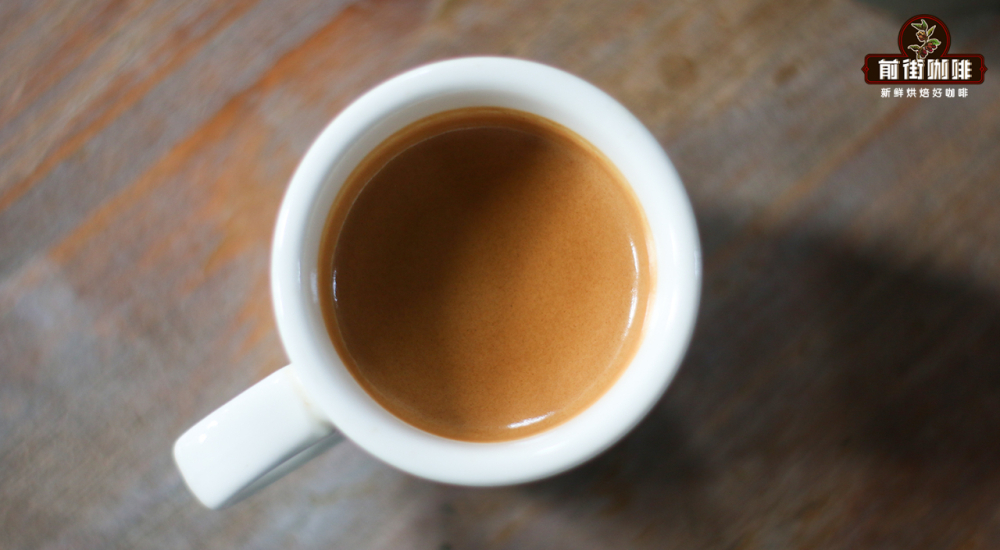
The crema (coffee foam layer) produced during extraction is one of the indicators for assessing the freshness and extraction quality of espresso. Crema consists of tiny bubbles formed when carbon dioxide gas dissolved under high pressure is released under atmospheric pressure. The fresher the coffee beans, the more gas they contain, and the richer the crema formed during extraction. Semi-automatic espresso machines typically operate at an extraction pressure of 9 to 10 bar, with water temperature generally set between 90 and 94 degrees Celsius.Water that is too hot can extract excessive impurities, leading to pronounced bitterness. Water that is too cool may cause under-extraction, resulting in flat and unremarkable flavors.。
Finally, selecting a high-quality espresso blend is also key to brewing a successful shot. Below are several common espresso blends with distinct flavor profiles, for enthusiasts to choose from according to their taste preferences:
Classic Rich Type: Combining Robusta washed, Colombian washed, and Brazilian semi-washed beans, it delivers rich crema and nutty aromas, with a full-bodied taste and long-lasting finish.
Mildly Acidic Rich Type: A blend of Yunnan washed small beans and Brazilian semi-washed, featuring gentle acidity and layered notes of caramel, nuts, and plum, suitable for those who enjoy mildly acidic flavors.
Balanced Intense Type: Based on Colombian and Brazilian coffees, it presents intense chocolate flavors and caramel sweetness, ideal for those seeking a balanced taste profile.
Delicate Winey Type: A mix of Ethiopian sun-dried red cherry and Honduran sherry cask beans, offering delicate flavors with winey notes and black chocolate undertones. It showcases rich layers whether used for Americano or latte.
The above content is compiled by CoffeeHunters, a coffee news website.


