








Introduction:Want to easily brew smooth, low-acidity cold brew coffee at home? This article dives deep into the differences between cold brew and regular iced coffee, detailing key parameters such as grind size, coffee-to-water ratio, extraction time, and temperature. It also shares practical brewing steps and storage tips to help you master this ideal summer coffee method and create a silky, effortless chilled coffee experience.
On a hot summer day, a cool cup of coffee can bring instant refreshment. Among the options, cold brew coffee stands out with its low barrier to entry and smooth, non-irritating taste, making it an ideal choice for many busy professionals. All it takes is a sealed container, some coffee beans, and a few hours of patience—by the next day, you can enjoy a delicately flavored iced coffee. However, cold brew coffee is actually quite different from the iced coffee we commonly drink. So, what’s the difference between the two? What’s the optimal grind size? How should the coffee-to-water ratio be adjusted? And what are the considerations for extraction time and temperature? The following will break down the brewing techniques, key parameters, and flavor characteristics of cold brew coffee in detail, helping you master all the essentials for making delicious cold brew at once.
Cold brew coffee, as the name suggests, is a technique that slowly extracts coffee flavors in a low-temperature environment. Many people often confuse it with iced coffee, but iced coffee is usually made by quickly extracting with hot water and then cooling it down with ice cubes. In contrast, cold brew coffee is brewed entirely under low-temperature conditions, using cold water to steep coffee grounds for an extended period (generally no less than 12 hours, and can even be extended to 24–48 hours), resulting in a smoother and more layered taste. This brewing method is not only simple but also significantly reduces the release of bitter and stimulating substances in coffee, making it especially suitable for those who prefer a milder flavor.
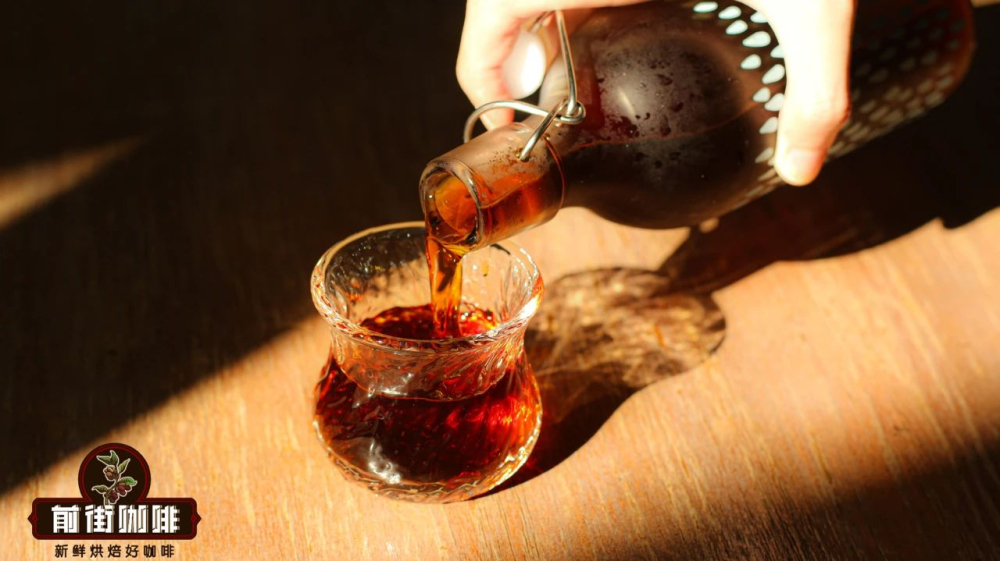
One of the greatest appeals of cold brew coffee is that it requires almost no special skills—just control the basic parameters, and you can easily make it. However, if you want a rounder, richer taste, it’s still recommended to pay attention to a few key elements, including grind size, coffee-to-water ratio, extraction time, and temperature. Mastering these basics will allow you to consistently brew satisfying cold brew coffee at home.
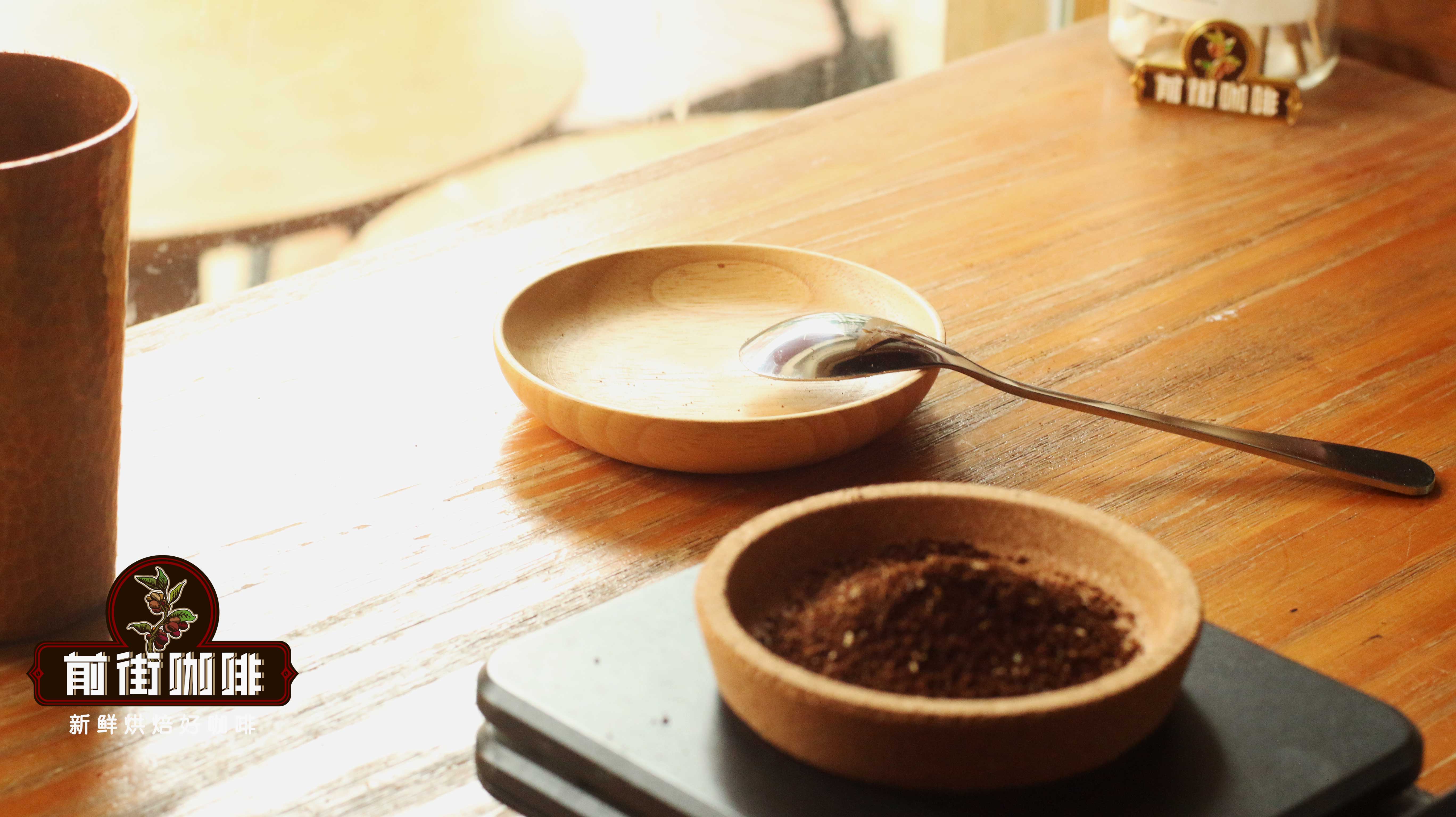
Regarding grind size, since cold brew uses cold water for steeping, the overall extraction efficiency is relatively low. Therefore, compared to pour over coffee, we don’t need to worry too much about over-extraction. It is recommended to set the grind slightly finer than pour over level, with a reference value of about 85% passing through a standard #20 sieve, while minimizing the amount of extremely fine particles. It’s important to note that although the low-temperature environment can suppress some undesirable flavors, if the grind is too fine, it may still cause acidic and sweet compounds in the coffee to be released too early. As the extraction continues over a long period, these along with subsequent fuller-bodied compounds may lead to unpleasant woody off-flavors, affecting the overall cleanliness of the flavor. Therefore, moderately controlling the grind size is one of the key factors influencing the performance of cold brew coffee.
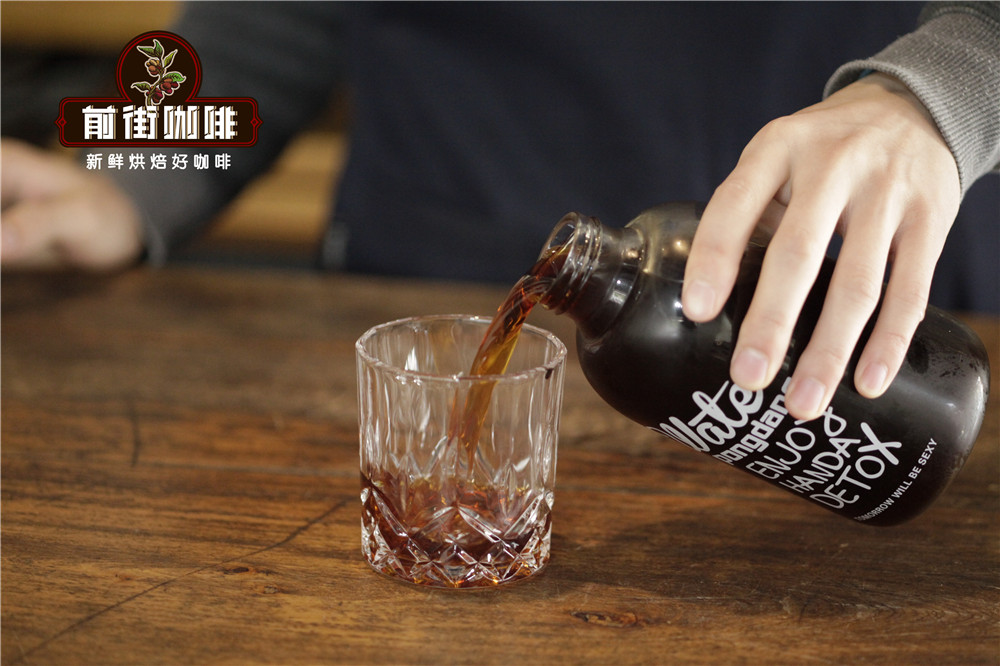
As for the coffee-to-water ratio, it is generally recommended to use a 1:12 ratio—that is, 50 grams of coffee grounds to 600 milliliters of water. This ratio yields a coffee concentration that is just right, ready to drink as is or with a moderate addition of ice cubes. If you plan to use cold brew as a base for specialty drinks, such as adding milk, soda, or cocktails, you might consider adjusting the ratio to 1:10 to achieve a stronger coffee flavor.
In terms of extraction temperature, cold brew coffee can be done either at room temperature or in a refrigerated environment, with the main difference being the extraction time. If you choose to brew it in the refrigerator, a duration of 12–24 hours is recommended to achieve a rounder coffee flavor. If brewing at room temperature, it’s advisable to shorten the time to 8–12 hours to avoid over-extraction. In practice, you can place the ground coffee in a clean, oil-free sealed container, add room-temperature water and ice cubes (for example, 50 grams of coffee grounds with 400 milliliters of room-temperature water and 200 grams of ice cubes, totaling about 600 milliliters), gently shake to ensure the coffee grounds are evenly wetted, and then let it sit in the refrigerator. Once extraction is complete, filter out the coffee grounds using filter paper or a fine mesh sieve, then pour the coffee liquid into a clean, sealed bottle and refrigerate. It’s recommended to wait about 4 hours before drinking for the best flavor.
How long can finished cold brew coffee be stored? Generally speaking, after filtering out the grounds, the coffee liquid is best consumed within 2–3 days when refrigerated to enjoy optimal flavor, and it is not recommended to store it for more than 7 days. Although the flavor may gradually evolve over time, it may also develop fermentation notes, affecting the overall drinking experience. Therefore, it’s recommended to decide whether to continue storing based on personal taste preference.
Compared to hot-brewed coffee, cold brew coffee has a noticeably longer extraction time, which is one of its most distinctive features. Hot-brewed coffee typically uses water at 88–91°C, with extraction times as short as just a few minutes—the fastest espresso can be done in just 18–23 seconds. In contrast, cold brew coffee requires several hours or even a full day, but what you get in return is a smoother, lower-stimulation flavor experience, making it a true “slow-brew” coffee method.
When it comes to flavor characteristics, cold brew coffee effectively inhibits the breakdown of tannic acid into quinic acid due to the low temperature and prolonged steeping. This results in about 67% less acidity in the final beverage compared to hot-brewed coffee, making the sourness and astringency significantly weaker—very suitable for those who dislike intense flavors. Additionally, the low-temperature environment and extended contact time mean that only small-molecule flavor compounds are effectively extracted, such as fresh floral and fruity notes, while larger molecules like smoky or roasted aromas are harder to release. This explains why cold brew coffee may have a more subdued aroma at first sniff, but delivers a smooth, layered, and sweet-aftertaste-rich experience upon drinking, with a refreshing and non-greasy mouthfeel.
Of course, to achieve the ideal cold brew coffee flavor, the freshness of the coffee beans is also an important factor. It’s recommended to choose beans roasted within 5 days and past their degassing period, allowing you to fully appreciate the delicate flavors of the coffee itself. Whether you’re new to cold brew or already have some experience, you can experiment and adjust to find the recipe that best suits your taste and enjoy this unique iced coffee experience.
The above content is compiled by CoffeeHunters, a coffee news website.


