








Introduction:The Honduran Lishilan coffee beans, thanks to their brandy wine barrel low-temperature fermentation process, showcase a unique wine aroma charm in the coffee world. This article delves into various aspects such as origin, variety, and processing method to analyze the sources of its chocolate, honey-like sweetness, and wine core flavors, and provides practical pour over recommendations and parameters to help coffee enthusiasts master the brewing secrets of this distinctive bean.
In the context of continuously innovating coffee processing technologies, wine barrel fermentation has become one of the important techniques that bring new dimensions of flavor. Among them, the Lishilan coffee beans produced in Honduras employ a unique processing method involving about thirty days of low-temperature fermentation in brandy wine barrels, imparting the coffee with a rich wine aroma and blending it with the captivating sweetness akin to chocolate and honey. This article will gradually dissect the nurturing process of this special coffee bean, from the background of the Honduran producing region, the geographical conditions of the Mocha Estate, to the characteristics of the main varieties Catuai and Caturra. It will also detail the actual operation and impact of brandy wine barrel fermentation, and finally offer professionally recommended brewing methods and flavor profiles, allowing readers to fully understand this astonishing wine-aroma coffee.
Traditional coffee processing methods emphasize naturality and simplicity, highlighting the terroir flavors inherent in the beans. However, as consumers’ palates diversify, the coffee industry has gradually expanded the boundaries of processing methods. What was once considered an unusual “wine-aroma coffee” has now become a sought-after goal for many specialty coffee enthusiasts. When it comes to coffee with distinct alcoholic flavors, Honduras’ wine barrel fermentation series is a highly notable representative in recent years, especially sparking global discussions in the specialty coffee community in 2019. In addition to the common sherry barrel processing, the Lishilan coffee beans have also become an unmissable gem due to their unique wine core chocolate and honey sweetness.
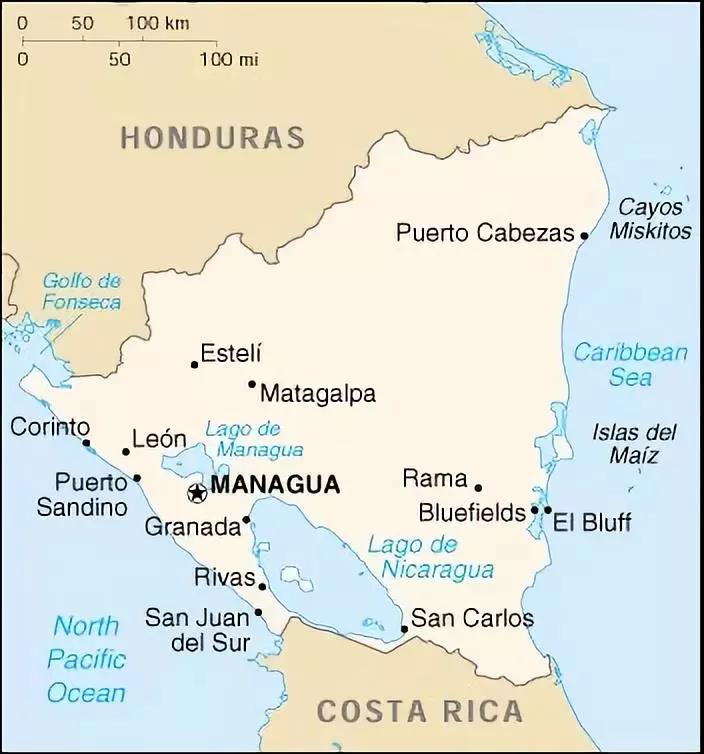
Although located in Central America, Honduras boasts uniquely favorable conditions for coffee cultivation. Its neighboring countries such as Nicaragua, El Salvador, and Guatemala are all renowned coffee-producing regions, and Honduras itself ranked first in Central American coffee production as early as 2011, mainly exporting to Germany and the United States, with a certain proportion supplied to the domestic market. Therefore, although its international fame may not match that of its neighbors, its strength is by no means to be underestimated. The entire territory is dominated by mountainous and plateau terrain, with a tropical climate, and coastal areas bordering tropical rainforests. The overall altitude distribution, day-night temperature difference, abundant rainfall, and sunlight exposure conditions are all very conducive to coffee growth. It is worth mentioning that coffee cultivation in Honduras is mostly concentrated in hilly areas. Due to terrain limitations, large machinery cannot be used, and harvesting relies entirely on hand-picking fully ripe coffee cherries, which also lays a solid foundation for subsequent processing and quality.
The main Arabica varieties planted in Honduras include Bourbon, Catuai, Caturra, and Pacas, and Lishilan selects two main varieties—Catuai and Caturra. Among them, Caturra was first discovered in 1937 in the Brazilian town of Caturra, hence named after the place. This variety not only has stable yields and better disease resistance than Bourbon, but also inherits the short plant stature of Bourbon, making it convenient for harvesting and management. Caturra, on the other hand, is a hybrid offspring of Caturra and the Mundo Novo variety. Although it has good disease resistance, its flavor profile is generally slightly inferior to that of Caturra, though it can still deliver a balanced and stable taste.
This special coffee bean comes from the Mocha Estate in the Marcala region. The region is located in the southern edge of the JesesdeOtoro Valley in Intibucá Province, Honduras, with an overall altitude ranging between 800 and 1000 meters, and some highlands even reaching up to 1500 meters. The Mocha Estate is situated within this region, and although its altitude is not the highest, it still possesses the potential to produce high-quality coffee.
Speaking of the most notable feature of the Lishilan coffee beans, it is undoubtedly the brandy wine barrel fermentation processing method they adopt. After harvesting, farmers first carefully select the ripest coffee cherries, then remove the pulp through a standard washed process. The mucilage-covered seeds are subsequently placed inside brandy wine barrels, where they undergo approximately 30 days of fermentation in a strictly controlled low-temperature environment of 15 to 20 degrees. This process allows the coffee beans to fully absorb the residual wine aroma molecules from the barrels and transform them into rich and layered aromas. After fermentation, proper drying procedures follow, ultimately presenting a unique cup profile that combines wine core chocolate, honey-like sweetness, and a full-bodied texture. Especially under light to medium roasting conditions, the wine aroma characteristics become more pronounced and explosive, with a lasting and lingering aftertaste.
For these Honduran Lishilan coffee beans with intense wine aroma characteristics, it is recommended to use the pour over method for extraction to fully showcase their complex layers. The recommended parameters are as follows: water temperature at about 91°C, coffee dosage set at 15 grams, and a coffee-to-water ratio of 1:15. The grind size is suggested to be medium-fine, similar to the granularity of fine sugar. The specific brewing steps are as follows: First, use about 30 grams of water for a 30-second bloom to awaken the coffee grounds; then proceed with the first pour up to 120 grams, and when the water level gradually drops and is about to expose the coffee bed, continue pouring up to 225 grams before stopping. Wait for the coffee liquid to completely drip through before removing the filter. The total brewing time is advised to be around 2 minutes. These parameter settings help balance the wine aroma, sweetness, and acidity, delivering a creamy-smooth mouthfeel and a long-lasting aftertaste.
In summary, the Honduran Lishilan coffee beans are not only an outstanding example of wine barrel fermentation technology but also, through the stable performance of the Catuai and Caturra varieties combined with the geographical advantages of the Marcala region, create a specialty coffee with rich flavors and layers. Whether you’re a beginner interested in wine-aroma flavors or a coffee enthusiast pursuing unique processing methods, this bean is worthy of being on your try list, and through precise brewing parameters, you can savor the marvelous fusion of chocolate, honey, and brandy wine aromas.
The above content is compiled by CoffeeHunters, a coffee news website.


