







Introduction:Want to easily brew a refreshing and smooth cold brew coffee at home? This article delves into the science behind low-temperature extraction, compares the craft differences between cold drip and cold steeping, and explains how water at 4–10°C affects flavor balance. From bean selection, grind size, coffee-to-water ratio to refrigeration time, it provides complete home brewing tips, and selects five coffee bean options ideal for cold brew. It helps you master key parameters, avoid common mistakes, and enjoy a consistently great-tasting cold brew coffee experience.
Cold brew coffee has gained global popularity in recent years. Its uniquely refreshing taste and low acidity have made it a favorite summer choice for many coffee enthusiasts. Unlike traditional hot water extraction, cold brew utilizes prolonged soaking in a low-temperature environment, bringing out a distinctly layered flavor profile from the coffee. So how does cold brew achieve that perfect balance of sweet, sour, and rich body? And how can you easily replicate professional-grade cold brew flavors at home?
First, let’s clarify the basic concepts. Cold brew coffee can be divided into two main types:Cold Drip (Cold Steep)andIce Drip Coffee. Cold steeping involves directly soaking ground coffee in cold or icy water, allowing flavors to slowly release over time; whereas ice drip coffee uses water droplets that slowly penetrate the coffee grounds layer by layer, performing an extremely slow and delicate extraction. The biggest difference lies in the speed and method of extraction, but both emphasize being performed in a low-temperature environment (usually maintained at 4–10°C), which is key to creating their unique flavors.
Why does low-temperature extraction deliver such different flavor characteristics? Scientific research indicates that in a low-temperature environment, the release efficiency of bitter and astringent high-molecular compounds in coffee is greatly reduced, while sweet-tasting substances and organic acids are released more steadily. This results in cold brew coffee generally having a softer acidity, more pronounced sweetness, and a smoother body. Compared to hot water brewing, which may bring out sharp acidity or overly extracted bitterness, cold brew has a more balanced and palatable flavor profile, especially suitable for those who prefer a refreshing taste.
To successfully brew a satisfying cup of cold brew coffee, selecting the right beans is crucial from the start. It’s generally recommended to chooselight to medium roastedcoffee beans. These types of beans typically have brighter acidity and rich fruit notes, which can fully express their characteristics during low-temperature extraction. Dark roast beans, while able to deliver bold richness when hot brewed, tend to produce overly intense bitterness and a dull mouthfeel in cold brew, negatively impacting flavor balance.
In terms of grind size, it’s advised to usemedium-coarse grind, roughly similar in texture to fine sugar (e.g., about 85% passing through a #20 sieve). Too fine a grind can lead to over-extraction and filtration difficulties, while too coarse may result in under-extraction. For the coffee-to-water ratio,1:12 to 1:15is a commonly recommended range — that is, 1 gram of coffee to 12–15 milliliters of water. This ratio strikes a good balance between flavor intensity and smooth mouthfeel.
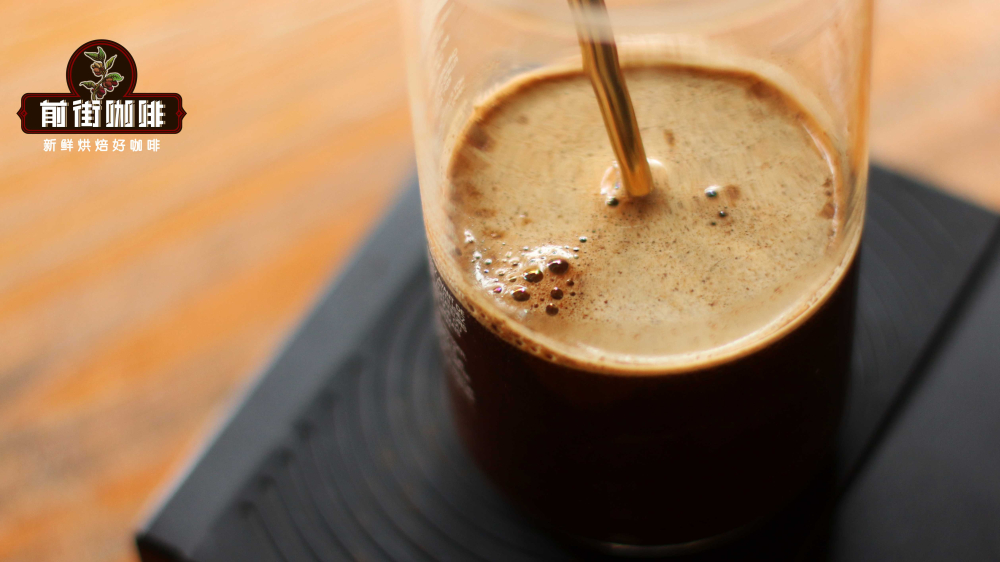
Regarding extraction time, the steeping duration under refrigerated conditions typically ranges between8 to 16 hours, depending on specific recipes and individual taste preferences. It’s recommended to place the mixed coffee liquid in a sealed container and let it sit in the refrigerator. To promote more even extraction, you can gently stir the mixture after initial combining to ensure all coffee grounds are well saturated with water. After extraction, it’s suggested to filter using paper or cloth to obtain a clear coffee liquid.
For storage, the finished cold brew coffee can be kept in the fridge for3 to 5 days. It’s advised to pour the filtered coffee into a sealed bottle and allow it to chill for an additional 4 hours to further integrate the flavors. Before drinking, you can adjust concentration and mouthfeel according to personal preference by adding ice, water, or milk. Note that over time, the flavor of cold brew will gradually change, so it’s best to drink it sooner for the optimal flavor experience.
Next, we recommend five types of coffee beans that are particularly well-suited for cold brew. The first type features bright lemon-citrus notes paired with honey-like sweetness. These beans typically offer a crisp acidity and clean aftertaste, making them ideal for those who enjoy a fresh taste. The second type includes beans with a rich juice-like character, such as cherry tomato or dark plum flavors, which can present intense fruitiness and a balanced sweet-sour profile during cold brew. The third type consists of beans with floral and berry notes, such as rose, grape, and blueberry complex flavors, which can showcase enchanting sweet aromatic qualities during low-temperature extraction.
The fourth recommendation is beans with a full body and complex flavors, such as longan, preserved fruit, and chocolate notes. These beans can exhibit rich layers and warm sweetness in cold brew. Lastly, balanced beans with subdued acidity and unobtrusive bitterness — characterized mainly by nutty and cocoa flavors — are suitable for those who prefer low acidity and smooth mouthfeel. These flavor profiles can display charms distinct from hot brewing when cold brewed, and are worth trying one by one by enthusiasts.
In summary, the charm of cold brew coffee lies in its ability to extract delicate and balanced flavor characteristics from coffee in a simple way. By mastering the science of low-temperature extraction, choosing the right beans and grind parameters, and controlling the appropriate extraction time, any coffee lover can brew professional-grade cold brew at home. Remember, experimentation and adjustment are key to discovering your personal favorite flavor. Enjoy the process of exploring different beans and parameter combinations to find your perfect cold brew recipe.
The above content is compiled by CoffeeHunters, a coffee news website.


