







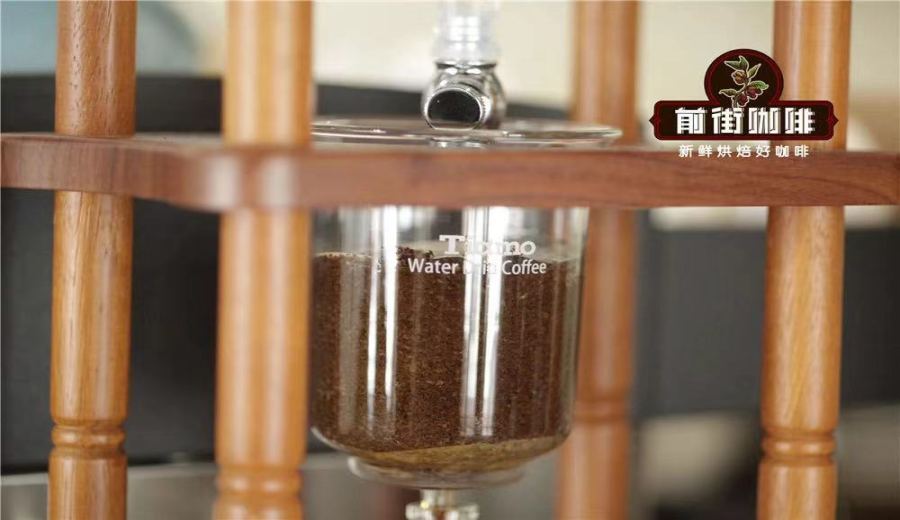
Introduction:Cold drip coffee excels in low-temperature slow extraction, significantly reducing bitterness and astringency while bringing out unique sweetness. This article delves into its European origins and Dutch founding background, explores how low-temperature extraction affects flavor release, and details the suitability and ideal processing methods for light to medium-dark roasted beans. It also offers bean selection advice and highlights the importance of freshness, helping readers understand the clean and smooth mouthfeel unique to cold drip and master the core essentials of making it at home.
The difference between cold drip coffee and traditional hot-brewed coffee lies not only in temperature but also in the fundamental nature of their flavor profiles. Many coffee enthusiasts wonder why cold drip coffee rarely exhibits bothersome bitterness or astringency, but instead often presents a sweet and smooth character. The answer lies in the temperature and speed of extraction.
When brewing coffee with hot water—whether using pour over, espresso, or French press—heat can easily activate tannic acids in the coffee grounds, which are the main compounds responsible for bitterness and astringency. Especially under pressure brewing, tannic acids are released more intensely, making the coffee prone to sharp aftertastes. However, cold drip coffee uses cold water to slowly drip through the grounds, drastically reducing the attack of thermal molecules on the coffee, thus preventing the release of bitter substances and instead helping to highlight the coffee’s inherent sweetness and delicate flavors.
The history of cold drip coffee can be traced back to Europe. It is believed that the Dutch were the first to develop this cold-water extraction technique, hence it is also often referred to as "Dutch Coffee." At the time, the Dutch sought to reduce the stomach discomfort caused by coffee, which was likely related to its high acidity, so they experimented with using cold water instead of hot water for brewing. Since acidic fats do not dissolve easily in cold water, this method unexpectedly reduced the coffee’s acidic and astringent sensation, laying the unique flavor foundation of cold drip coffee.
When discussing the flavor characteristics of cold drip coffee, the most notable is its clean and smooth mouthfeel. Because the low-temperature extraction process avoids most impurities and irritants, there is no obvious acidic or astringent interference upon tasting, resulting in an overall refreshing and layered experience. Practical brewing experience shows that selecting coffee beans with medium-light to medium-dark roasts can showcase a rich balance of acidity and sweetness during the cold drip process—neither overly sharp nor lacking in depth and body.
When choosing coffee beans suitable for cold drip, it is recommended to prioritize those with pronounced acidic and aromatic flavors. Since low-temperature extraction cannot extract body-rich compounds as effectively as hot water, beans with clear fruit acidity and unique processing characteristics can better showcase their advantages. For example, medium-light roasted beans, or those processed with special methods such as anaerobic fermentation or honey processing, can exhibit captivating aroma layers during cold drip brewing.
Commonly suitable beans for making cold drip include Honduras Sherry Barrel Fermented beans, which often feature wine-like aromas, vanilla cream, and nutty tones; Ethiopia’s Yirgacheffe Gedeb Guji, showcasing citrus, honey, and green-tea-like bright acidity; and Sidamo Huakui, with its complex berry, rose floral, and black tea aftertaste—all of which are well-presented during the cold drip process. In addition, Panama Geisha Hua Die and Costa Rica Strawberry Sugar beans are also popular choices for summer cold drip due to their distinct floral, citrus, and fermented notes.
It is worth noting that the freshness of coffee beans greatly impacts the final outcome of cold drip. Generally, beans within 5 to 35 days post-roast are at their peak in terms of flavor and aroma, allowing them to fully release during low-temperature extraction. If the beans are too fresh (e.g., within three days post-roast), incomplete degassing may affect flow rate and extraction uniformity; conversely, beans over a month old are prone to flavor loss, resulting in a dull final cup. Therefore, it is recommended to select coffee beans roasted within one to five weeks for optimal performance.
In summary, the charm of cold drip coffee lies in the pure mouthfeel and unique sweetness brought about by low-temperature slow extraction. Whether exploring its European origins or trying your hand at making it at home, understanding the extraction principles, selecting the right beans, and mastering freshness are all key elements in crafting the perfect cup of cold drip.
The above content is compiled by CoffeeHunters, a coffee news website.


