







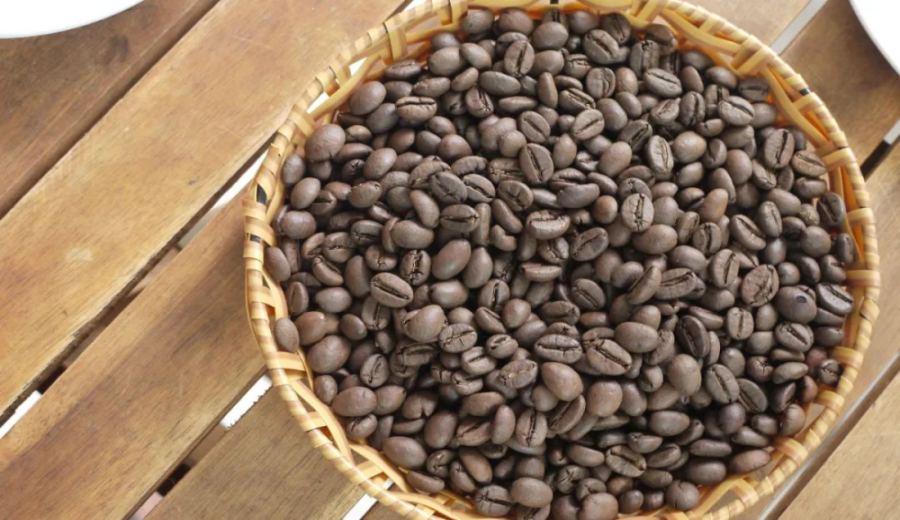
Introduction:Robusta coffee beans are often seen as a low-end choice, but in fact, they hold a significant position in the global coffee market. This article will take you through the distribution of Robusta-growing regions, its flavor characteristics, and the development of its specialty trend in recent years. From Vietnam to Indonesia, from traditional uses to innovative processing methods—explore how this type of coffee bean is gradually gaining market recognition.
When it comes to Robusta coffee beans, many people’s first reaction might be “cheap,” “bitter,” or even instant coffee. But this often underestimated coffee variety actually accounts for about 40% of global coffee production, second only to Arabica. Particularly in major producing regions such as Vietnam, Brazil, and Indonesia, the planting area and yield of Robusta are quite substantial.
The reason Robusta has been able to carve out a place in the market is largely due to its outstanding environmental adaptability and disease resistance. Compared to Arabica, Robusta requires lower altitudes and less favorable climates, thriving in low-elevation areas while also possessing stronger resistance to pests and diseases. This significantly reduces its cultivation and production costs.
Traditionally, Robusta has been mostly used in instant coffee or commercial blends, owing to its flavor profile. Due to its high concentration of chlorogenic acids, Robusta coffee often has a strong bitterness and bold body, with extremely low acidity, and sometimes even emits rubbery or burnt aromas. These characteristics have long made it unpopular in the specialty coffee market.
However, as climate change impacts Arabica-growing regions, more coffee farmers and roasters are beginning to re-evaluate the potential of Robusta. With Arabica quality becoming increasingly unstable in inland and high-temperature areas, Robusta maintains relatively consistent output and flavor profiles, making its role in blends ever more important.
In recent years, specialty coffee producers have successfully enhanced Robusta’s flavor performance by improving green bean processing methods, such as honey processing and anaerobic fermentation. Today’s Robusta not only retains its inherent richness and boldness but can also exhibit more appealing aromas and flavors such as barley tea, nuts, and caramel. These flavors are also more stable and do not fluctuate significantly with seasonal changes.
For the average consumer, the stability of a cup of coffee and its sufficient body are often more important than overly complex acidity layers. Robusta happens to provide these qualities—it may not be as delicate as Arabica, but its rich and full body can bring structure and support to blends, making it the “unsung hero” in the eyes of many professional roasters.
It’s worth noting that Robusta is not only a cheap substitute. In some European countries, especially Italy, Robusta is widely used in espresso blends to enhance crema richness and the overall intensity of the coffee. In fact, many top-tier espresso blends contain a certain percentage of Robusta to balance overall flavor and mouthfeel.
In the future, as consumer awareness of coffee grows and roasting techniques continue to improve, Robusta is expected to gain a more significant position in the specialty coffee arena. Whether as a single-origin offering or a key component in blends, the proper use of Robusta can bring unique layers and expressions to coffee.
In summary, Robusta coffee beans are not as “useless” as once believed. With appropriate processing and roasting, they can also exhibit surprisingly delightful flavor characteristics and add unique value to the overall coffee experience. For drinkers seeking stable, bold flavors, gaining a moderate understanding and trying Robusta might just open a new door in your coffee world.
The above content is compiled by CoffeeHunters, a coffee news website.


