







Introduction:Espresso is the soul of Italian coffee, yet it is often misunderstood as an "extremely bitter black drink." This article delves into the actual flavor profile of this concentrated coffee, helping you understand why most professional shops prefer to use blends, and details the tasting steps and home brewing suggestions. From crema layers to aftertaste identification, it teaches you how to read the nuances of a cup of Espresso, and recommends four practical blend combinations of different styles.
On the menus of many coffee shops, Espresso is not commonly listed—some shops may not even feature it prominently unless a customer specifically asks for it. Although this concentrated coffee comes in small portions, it is the core of Italian coffee culture and also serves as the essential base for common drinks like lattes and cappuccinos. So, is Espresso really as bitter as the public imagines? How should it be correctly tasted? What kind of coffee beans should be chosen to consistently extract ideal flavors? The following will break down these key questions step by step.
The word Espresso originates from the Italian "esprimere," meaning "to press out quickly," reflecting the characteristic of rapid extraction of this beverage. The traditional method involves using high pressure (usually 9 bar or more) and water heated to around 90°C to penetrate extremely finely ground coffee powder in an extremely short time (about 25–30 seconds), extracting about 30 milliliters of concentrated liquid. This method gives Espresso its rich mouthfeel, thick crema, and complex flavor layers.
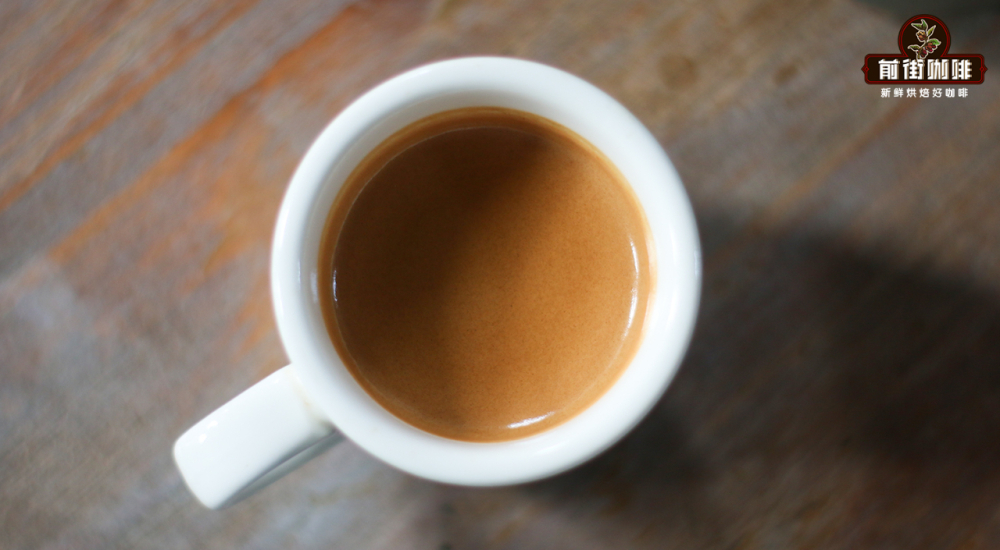
First-time tasters of Espresso often mistake its dark appearance and concentrated nature for being "extremely bitter." However, a well-prepared Espresso actually boasts a rich aromatic spectrum. Taking a common high-quality blend as an example, a freshly extracted Espresso often carries distinct notes of caramel, dark chocolate, and nuts, with some even exuding subtle hints of wine or roasted aromas. Upon tasting, the dense crema layer provides a velvety texture first, followed by the interplay of roasting aromas, fruit acidity, chocolate, or berry notes. Taking a sip of water afterward can further highlight the evolution of the aftertaste in your mouth.
Why do most coffee shops choose to use blends for Espresso? The key lies in stability and flavor balance. Blends are usually carefully selected by roasters from coffee beans sourced from different regions, blended in proportions according to their individual characteristics, aiming to create a flavor profile that combines complexity with consistency. For instance, some beans excel at providing a rich base and caramel sweetness, while others contribute bright acidity or unique fruity notes. Through blending, the sharp acidity or uneven textures that might arise from single-origin beans under extreme extraction conditions can be effectively mitigated. Additionally, blends are also more conducive to maintaining consistent daily output quality.
For home enthusiasts wanting to try brewing Espresso, selecting the right blend is crucial. Below are four practical blend combinations of common styles, covering different preferences from delicate wine notes to classic richness, along with relevant characteristic descriptions for readers to reference based on personal taste preferences.
Delicate Winey Type: These blends often use beans with wine-barrel aging characteristics as the base, such as Honduran Sherry barrel-processed beans, combined with some high-toned beans processed via sun-drying (like Ethiopian Yirgacheffe). The resulting Espresso typically showcases a strong dark chocolate foundation, accompanied by notable caramel and whisky-like winey aromas, with a relatively balanced sweet-and-acidic tone, suitable for those who enjoy complex flavor layers. Whether sipped directly or used in making Americanos or lattes, it delivers multi-layered aromatic variations.
Mildly Acidic & Mellow Type: This combination uses washed Yunnan beans paired with semi-washed Brazilian beans—the former contributing soft fruity acidity and a tea-like texture, the latter providing a solid mellow foundation and nutty tones. The Espresso from such blends often presents a smooth balance of caramel and plum acidity, with a rounded mouthfeel that is not overly intense, suitable for drinkers who prefer gentle acidity and harmonious sweetness.
Balanced Rich Type: Centered around washed Colombian beans paired with semi-washed Brazilian beans, this blend emphasizes the classic chocolate and nutty flavor profile. The Espresso from such combinations generally has a stable medium-to-dark tone, with a full crema layer; upon tasting, one can clearly perceive distinct caramel sweetness and roasting aromas. It is suitable for those seeking balanced flavor and a daily drinking experience.
Classic Rich Type: Combining a small amount of Robusta with a high proportion of Colombian and Brazilian beans, this type of blend focuses on intense nutty aromas and a thick mouthfeel. The resulting Espresso features a pronounced golden crema, with noticeable roasty bitterness and smokiness upon entry, which then transforms into a creamy, full-bodied aftertaste. It suits those who prefer strong flavors and long-lasting aftertaste.
No matter which style of blend you choose, pay attention to key parameters such as grind size, coffee-to-water ratio, and extraction time during home brewing. It is recommended to use a professional espresso grinder to ensure grind uniformity, and fine-tune based on the actual crema thickness and flavor expression. Additionally, freshly roasted coffee beans (generally recommended for use within 7–14 days post-roast) can deliver optimal aroma and reactivity, aiding in stable extraction quality.

The above content is compiled by CoffeeHunters, a coffee news website.


