







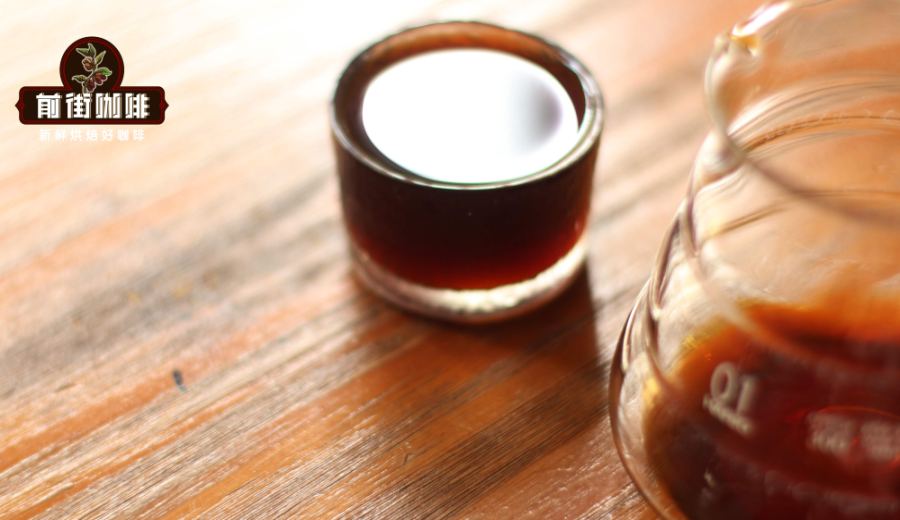
Introduction:Cold drip coffee, with its low-temperature slow extraction characteristics, delivers a uniquely refreshing taste and layered flavors, making it a new favorite among many coffee enthusiasts. However, how do you choose the right coffee beans? What should the coffee-to-water ratio be? Why does it need to be refrigerated for over 8 hours after dripping? And how long can it be stored? This article delves into the cold drip coffee brewing process, covering bean selection strategies, common recipe combinations, step-by-step instructions for using the Tiamo cold drip brewer, and additional practical details to help you easily master this slow extraction art.
Cold drip coffee is extracted using low-temperature water droplets, not only offering a refreshing taste but also effectively preserving the rich aromas within the coffee beans. In a low-temperature environment, the volatilization of flavor molecules is significantly suppressed, allowing the aromas to be fully locked within the coffee liquid. When this coffee liquid enters the mouth, as the temperature gradually rises, the originally sealed aromas will be intensely released at the back of the tongue, delivering a strong and delightful burst of aroma. It is precisely because of this characteristic that cold drip coffee is particularly well-suited for showcasing the multiple layers of flavors inherent in the coffee beans.
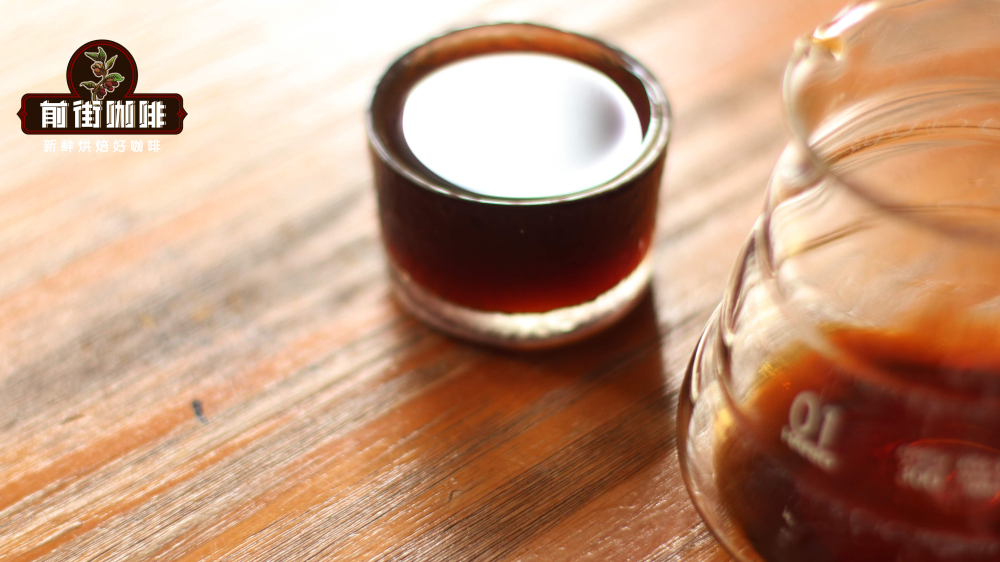
The climate in Guangdong is highly variable, yet even during the hot summer months, baristas at one coffee shop insist on making cold drip coffee daily for customers to enjoy as a refreshing treat. Many patrons are curious about this low-temperature extracted coffee and frequently ask about the coffee varieties used, the brewing method, and shelf life. To address these common questions, the following will detail the key points of cold drip coffee — from bean selection, ratios, brewing steps to storage recommendations.
What kind of beans should you choose for cold drip coffee?
Since the cold drip process involves near-zero-degree extraction, it can greatly reduce aroma loss, so choosing coffee beans with rich flavor layers and distinct characteristics is especially important. For example, cold drip made from Yirgacheffe Guji Diding can showcase a clean and refreshing citrus acidity, with a soft and non-irritating acidity, delivering an overall very balanced profile. If you’re aiming for more complex flavors, you might also try a two-bean blend, such as combining the bright fruit acidity of Costa Rica Bacha with the rich whiskey-like aroma of Honduran Sherry. A common recommendation is a 60/40 blend of Sherry to Bacha, though fine-tuning according to personal taste is also perfectly acceptable.
What is the recommended coffee-to-water ratio for cold drip coffee?
In professional operations, a commonly used coffee-to-water ratio is 1:10, meaning 100 grams of coffee grounds are used with 1000 milliliters of water. The coffee liquid extracted at this ratio has a relatively high concentration, making it suitable for adjusting the flavor by adding ice or milk before drinking. For home brewing, you might consider using the more approachable 1:13 ratio, which results in a smoother and milder-tasting coffee.
Why does it need to be refrigerated for more than 8 hours after dripping?
The freshly extracted cold drip coffee liquid still has many flavor molecules that haven’t been fully released. It needs to be left to sit in the refrigerator for at least 8 hours to allow these molecules to gradually “awaken.” Although this process is often referred to as fermentation, it’s actually closer to an oxidation reaction. Similar to how newly roasted coffee beans continue to release carbon dioxide after roasting — a gas that helps aromatic compounds and oils integrate, creating a more extractable environment — the changes that occur during the resting period of cold drip coffee are similar, helping to enhance the final flavor expression.
How long can cold drip coffee be stored?
Regardless of how clean the container used for storage is, it is recommended to calculate from the time the extraction is completed and poured into the container, with a maximum storage time of 72 hours. Although a low-temperature environment can slow bacterial growth, it cannot completely prevent it. After three days, cold drip coffee is prone to developing unpleasant odors reminiscent of a dirty rag, and both taste and quality will noticeably decline — it is advised to avoid drinking it.
How is cold drip coffee made?
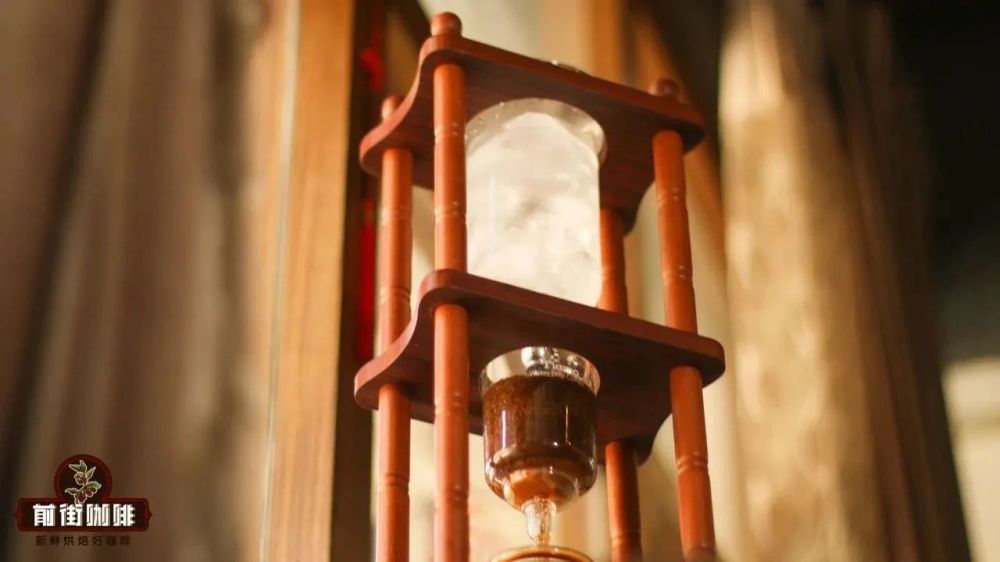
Taking the Tiamo cold drip brewer as an example, using a 1:10 coffee-to-water ratio — that is, 60 grams of coffee grounds to extract 600 milliliters of coffee liquid — the entire process takes approximately 5 hours. The steps are as follows:
1. Place a round filter paper at the bottom of the powder chamber, wet it with water to make it adhere tightly to the walls, then add 60 grams of pre-ground coffee. The grind size is recommended to be around a Chinese standard No. 20 sieve, with about 58% extraction — slightly coarser than typical pour over.
2. Spread the coffee grounds evenly, and you may also gently tamp the surface with a tamper to ensure the coffee bed is flat without any depressions.
3. Place another filter paper on top of the coffee grounds, using the tension of the filter paper to distribute the water droplets evenly and prevent the coffee bed from becoming uneven due to prolonged dripping.
4. Use ice water for pre-soaking to fully wet the entire layer of coffee grounds, similar to the blooming step in pour over, which helps improve overall extraction efficiency and consistency.
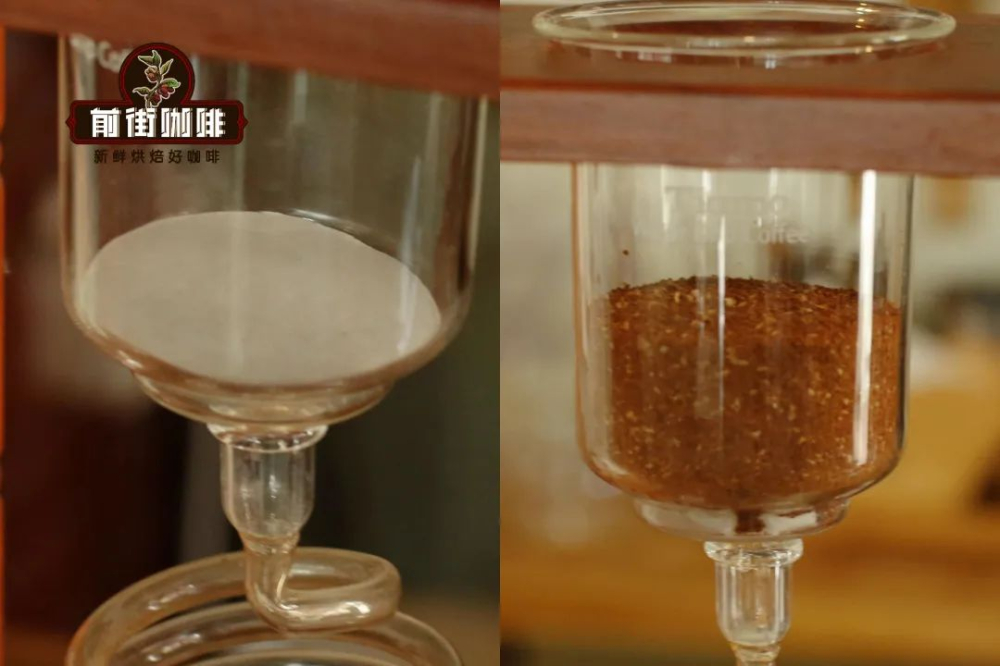
5. Prepare a 1:1 ice water mixture in the water reservoir, and adjust the dripping speed to about 7 drops per 10 seconds. At this speed, the entire extraction process takes roughly 5 hours.
6. After extraction is complete, pour the coffee liquid into a sealed glass bottle, then place it in the refrigerator to chill for at least 8 hours. This allows the flavor molecules to fully release, resulting in a smoother and more palatable taste.
By following the above steps and precautions, you too can easily make a cup of cold drip coffee with rich aroma and layered flavors at home, enjoying the unique coffee experience brought by low-temperature slow extraction.
The above content is compiled by CoffeeHunters, a coffee news website.


