







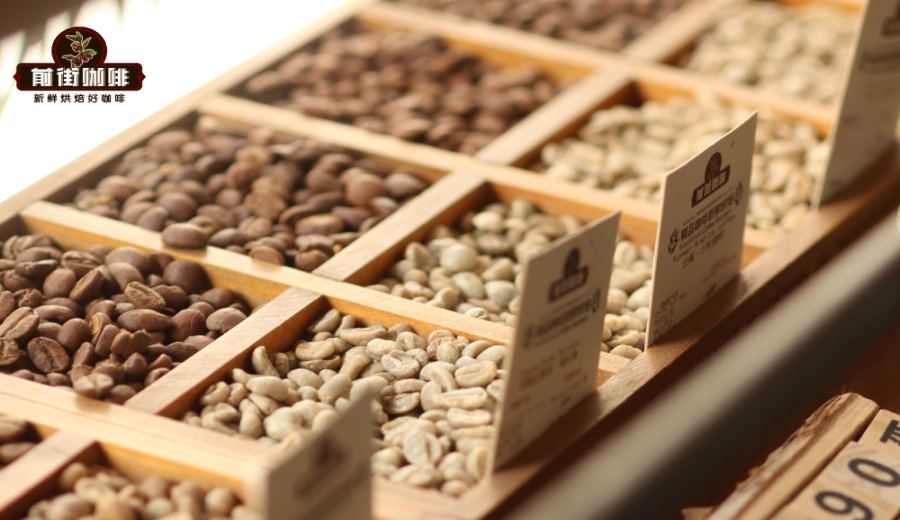
Introduction:Colombia is a globally renowned origin for specialty coffee, and its rigorous green bean grading system is key to ensuring quality. From common grades like Excelso and Supremo, to screen size sieving and defect scoring, every detail influences the final flavor. This article delves into the grading standards of Colombian coffee beans, explains the differences between Excelso and Supremo, and takes you through the practical brewing performance and flavor characteristics of washed beans from the Huila region, helping you better understand how to select and brew Colombian coffee.
As one of the world’s important specialty coffee producing countries, Colombia has a very strict green bean grading system. From the commonly seen “Excelso” label on sacks, to grades such as UGQ, EP, and Supremo, as well as defect scoring and screen size sieving—all directly affect the final quality of the coffee. This article will fully introduce the grading logic of Colombian coffee beans, analyze the specific specifications of the Excelso grade, and through the practical brewing and flavor performance of washed beans from the Huila region, give you an in-depth understanding of Colombia’s coffee quality control methods.
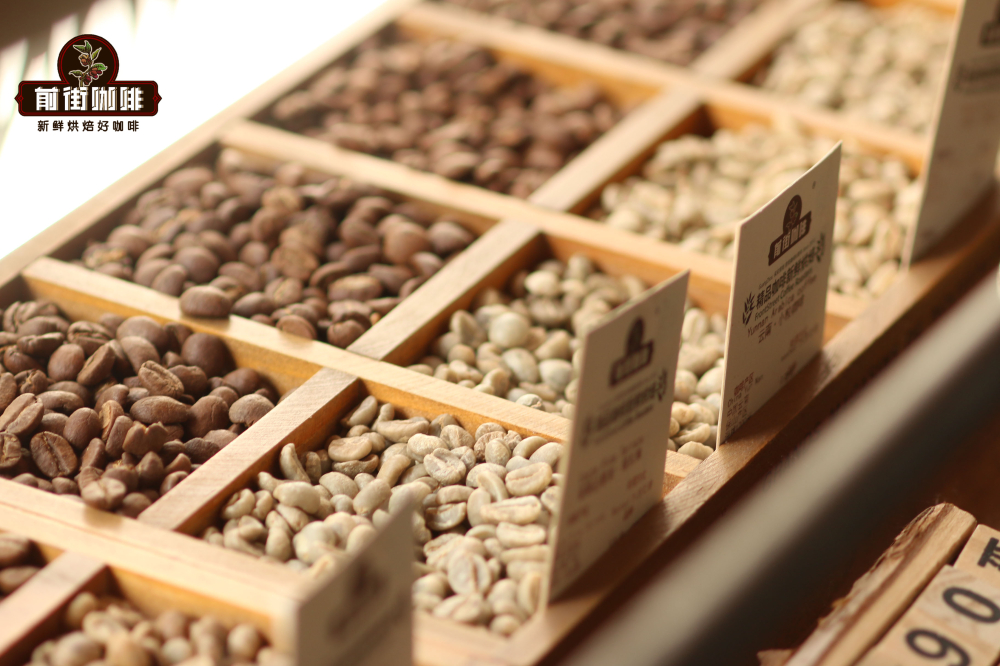
Coffee regions around the world have different grading standards due to variations in climate, variety, and processing methods. Some prioritize defect rates, some look at bean size, and others use cupping scores. Colombia combines multiple indicators to establish a comprehensive and internationally recognized grading system.
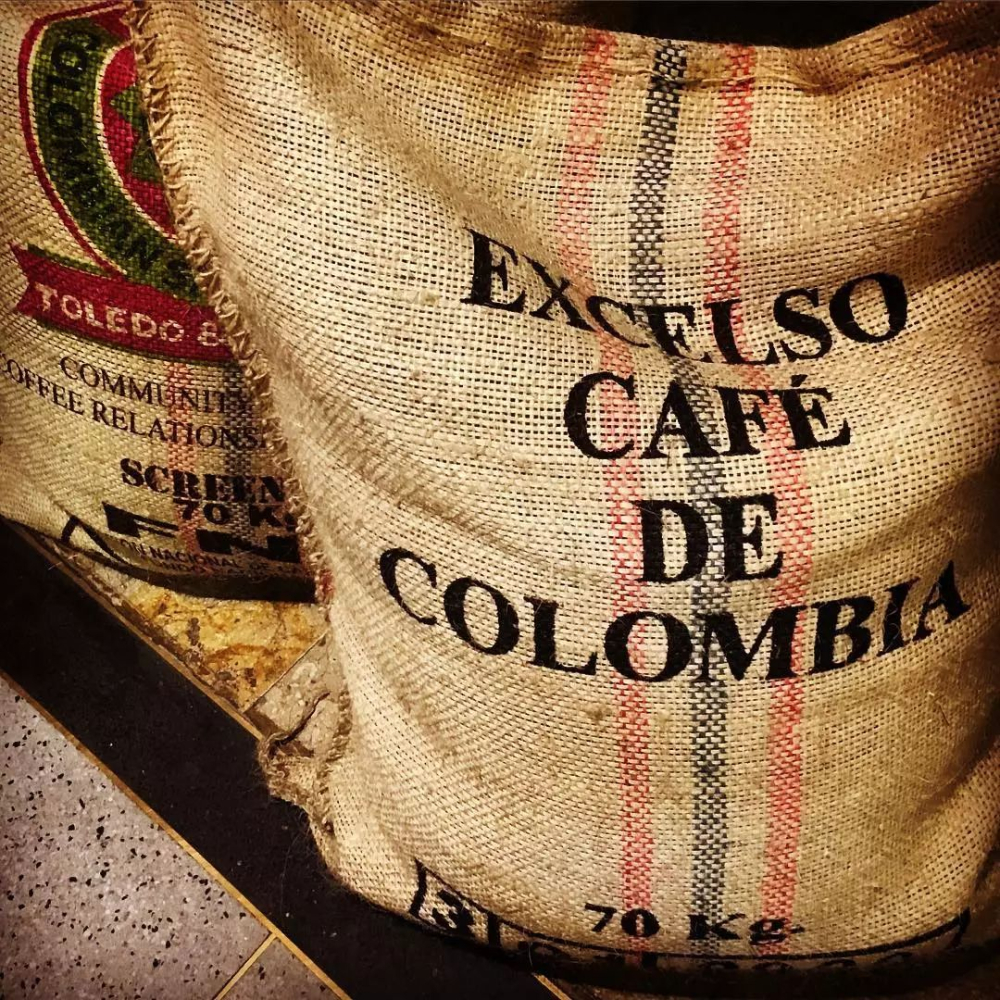
First, let’s understand what the Excelso grade is. If you’ve ever purchased Colombian green coffee beans, you may have noticed the words “Excelso-Café de Colombia” printed on the sack. Regardless of the bean’s screen size, as long as it meets Colombia’s export standards, the sack will almost always be labeled “Excelso.” Common sub-grades include UGQ, EP, and Supremo—all of which are part of the Excelso system. Simply put, Excelso is the highest grade standard promoted by the Colombian Coffee Growers Federation (FNC) and is the most commonly used grade for exports.
To be classified as Excelso grade, green coffee beans must meet the following criteria: in a 500g sample, at least 50% of the beans must be larger than 15 screen size, and all beans must be above 14 screen size; no more than 5% of beans can be between 12 and 14 screen sizes. In addition, the beans must not be insect-damaged or moldy, have uniform color, no abnormal odors, and a clean, defect-free flavor. The moisture content must be kept below 12.5%, and the cumulative defect score must not exceed 24 points.
Colombia has a detailed classification and scoring system for defects. Defects are divided into two main categories, and grades are determined by calculating the number of defects. For example, the common export specification “Supremo 12*60 (5%)” means that in a 500g green bean sample, there can be a maximum of 12 primary defects and 60 secondary defects. This scoring system ensures the final coffee has a pure flavor and low risk of defects.
In addition to defect control, screen size (i.e., bean size) is also an important basis for grading in Colombia. Although bean size is not an absolute determinant of flavor, it is generally believed that larger and more uniform beans often come from riper coffee cherries, which helps achieve even heat distribution during roasting, thereby bringing out a more consistent flavor profile. Colombia mainly uses fixed-mesh sieves for grading, and the higher the sieve number, the larger the beans that pass through.
Currently, the three most commonly exported grades by the FNC are: Excelso UGQ 12*60 (1.5%), Excelso EP 12*60 (10%), and Excelso Supremo 12*60 (5%). Among these, UGQ (Usual Good Quality) indicates general high quality, requiring beans to be above 14 screen size, allowing 1.5% of beans between 12 and 14 screen sizes, but overall still requiring more than 50% to be larger than 15 screen sizes. EP (European Preparation) requires beans to be above 15 screen size, allowing 10% of beans smaller than 15 screen size but not less than 14 screen size. The Supremo grade is even stricter, requiring beans to be above 17 screen size, allowing only 5% of beans below 17 screen size, also needing to be above 14 screen size.
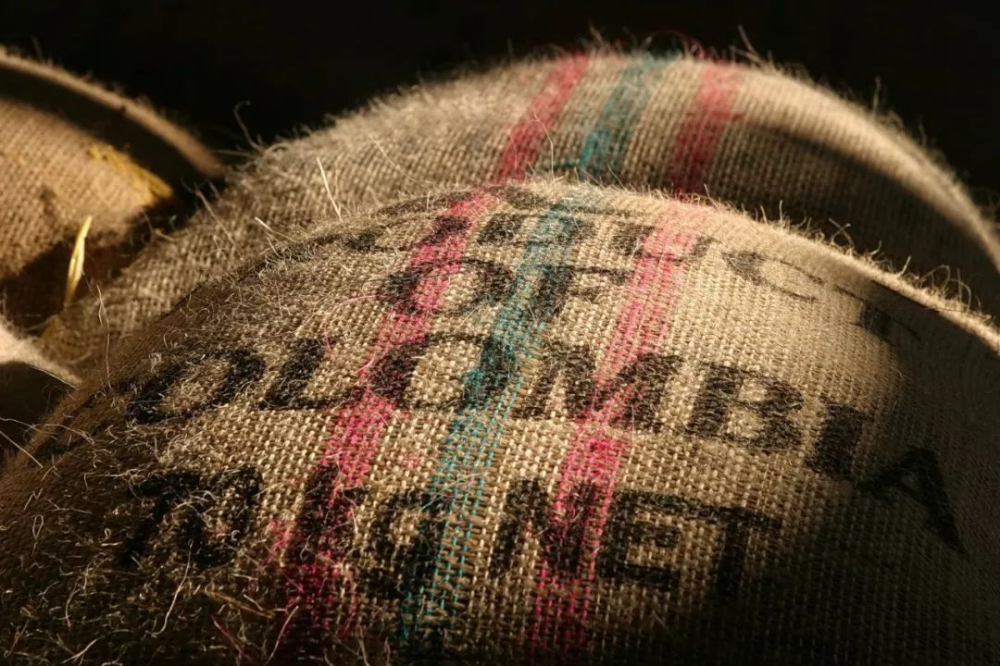
Additionally, Colombia has other higher grades, such as those above 16 screen size called Extra, those above 18 screen size called Premium, and those mostly around 15 screen size called Minama. As for coffee beans that do not meet the Excelso standard, they are usually classified as “Product of Colombia,” often used for commercial-grade or instant coffee production.
Every batch of Colombian green beans is meticulously recorded with details about the origin, processing method, and batch number, aiding future traceability. Upon export, green beans are typically named in the format of “Country + Region + Grade + Other Information,” such as the common “Colombia Huila Supremo SC17/18 FNC,” which refers to washed beans from the Huila region, Supremo grade.
When it comes to the actual flavor performance of Colombian coffee, washed beans from the Huila region are the most classic. Colombia is rich in water resources, and many small farms use the washed processing method. During this process, specialized equipment (such as Ecomill or Eco-Pulper) is used to remove the skin and pulp, and a small amount of water is used to remove most of the mucilage. The parchment beans with a small amount of mucilage are left to ferment overnight, allowing the residual mucilage to loosen naturally, then rinsed with clean water the next day, and finally dried in the sun to reach the target moisture content. This method effectively reduces defect rates and preserves the coffee’s inherent clean flavor.
Taking washed Huila beans as an example, medium-dark roasting is commonly used, bringing out the typical nutty, chocolatey, and caramel aromas, with a balanced and full-bodied flavor. For brewing, it is recommended to use a KONO filter, with a water temperature of 90°C, a 1:15 coffee-to-water ratio, a grind size of 20 mesh with 75% of particles passing through (approximately medium-fine), and using a three-stage pouring method for extraction: first, a 30-second bloom with twice the coffee dose in water, then pouring up to 125g, and finally pouring up to 225g when the coffee bed drops to the middle of the filter, with the total brew time around 2 minutes.
This Huila washed bean delivers an immediate impression of distinct chocolate and nut tones, complemented by moderate caramel sweetness and a full body, with a clean and clear overall flavor, soft acidity, and a long-lasting aftertaste. As it cools, more nuanced layers of fruity acidity can be appreciated. It is highly suitable as a daily drinker or an ideal entry point for exploring Colombian flavors.
The above content is compiled by CoffeeHunters, a coffee news website.


