








Introduction:This article provides a comprehensive overview of the world’s most popular coffee variety—Arabica—covering its origins, botanical characteristics, and the flavor profiles and brewing methods suited to its major subspecies. It details the history and unique traits of well-known varieties such as Typica, Bourbon, Caturra, and Geisha, compares them with Robusta, and offers practical advice on bean freshness and extraction to help you select and brew better-tasting coffee.
Arabica is the most widely consumed coffee variety globally, accounting for about 70% of the market, and is the flagship type of specialty coffee. This article delves into the origin background, botanical features, and ideal cultivation conditions of Arabica, and provides an in-depth introduction to its major cultivars—including Typica, Bourbon, Caturra, Catuai, Geisha, SL28/SL34—analyzing their historical roots and distinctive flavor expressions. It also contrasts the characteristics of Robusta, explaining why Arabica can deliver richer and more nuanced acidity and sweetness, and offers practical bean recommendations and brewing tips.
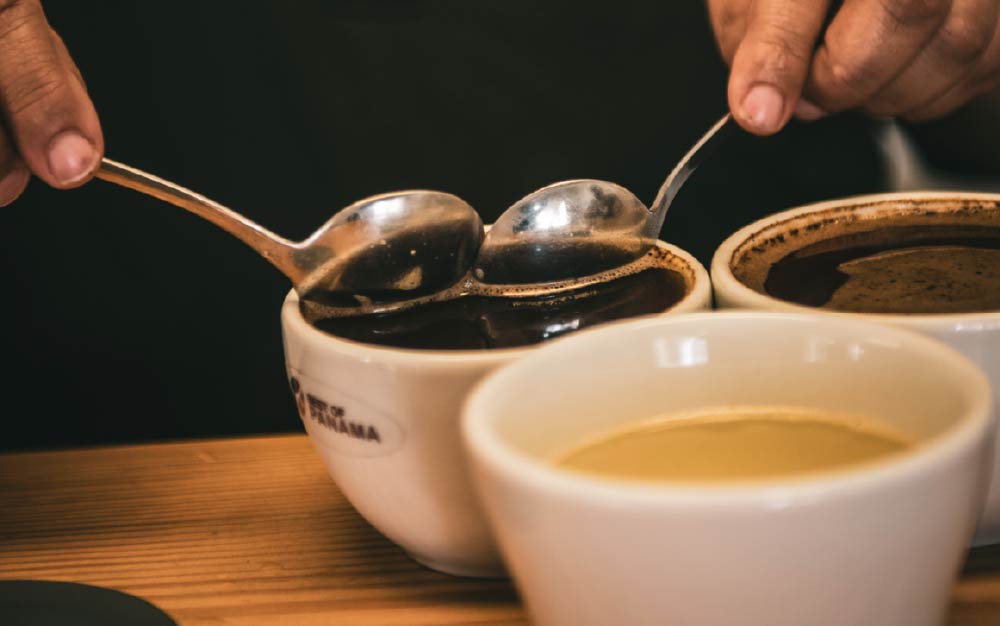 Global coffee beans are broadly divided into three categories: Arabica, Robusta, and Liberica. Among these, Arabica and Robusta are the two most common types. Arabica is renowned for its elegant flavors, diverse acidity, and smooth mouthfeel, making it the mainstream base of specialty coffee. Robusta, on the other hand, is characterized by higher caffeine content, intense bitterness, and stronger disease resistance, and is mostly used in commercial blends and instant coffee, generally not considered part of the specialty coffee category.
Specialty coffee is primarily made from Arabica, and is evaluated based on variety, growing altitude, processing method, and cupping score. Among these, variety is one of the key factors determining flavor potential. Not only does Arabica deliver outstanding flavor performance, but it also boasts relatively rich genetic diversity. It accounts for about 70% of global coffee cultivation and is the dominant variety in the market.
Arabica is believed to be the earliest coffee variety discovered and cultivated by humans. Although its scientific name "Coffee Arabica" includes the word "Arab," it actually originates from Ethiopia in Africa, which is regarded as the birthplace of coffee. It is said that initially, Ethiopians would chew coffee leaves or eat coffee fruits to stay alert, and only later did methods of roasting and brewing develop. Starting from the 16th century, through trade by Arab merchants, Arabica gradually spread across the globe, becoming the most popular coffee variety today. It thrives in high-altitude, cool environments and can exhibit unique regional flavor characteristics.
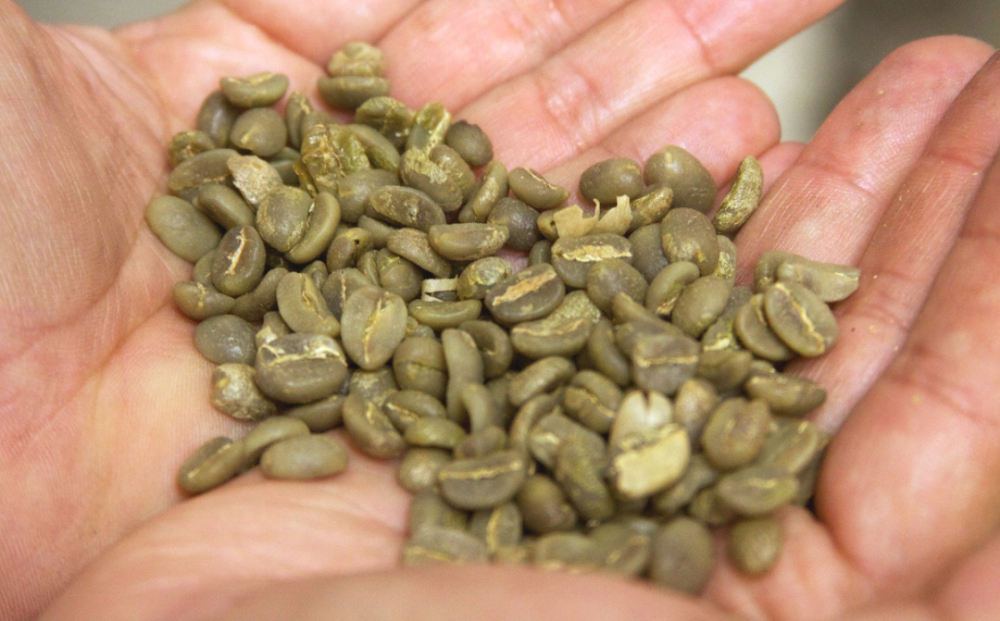
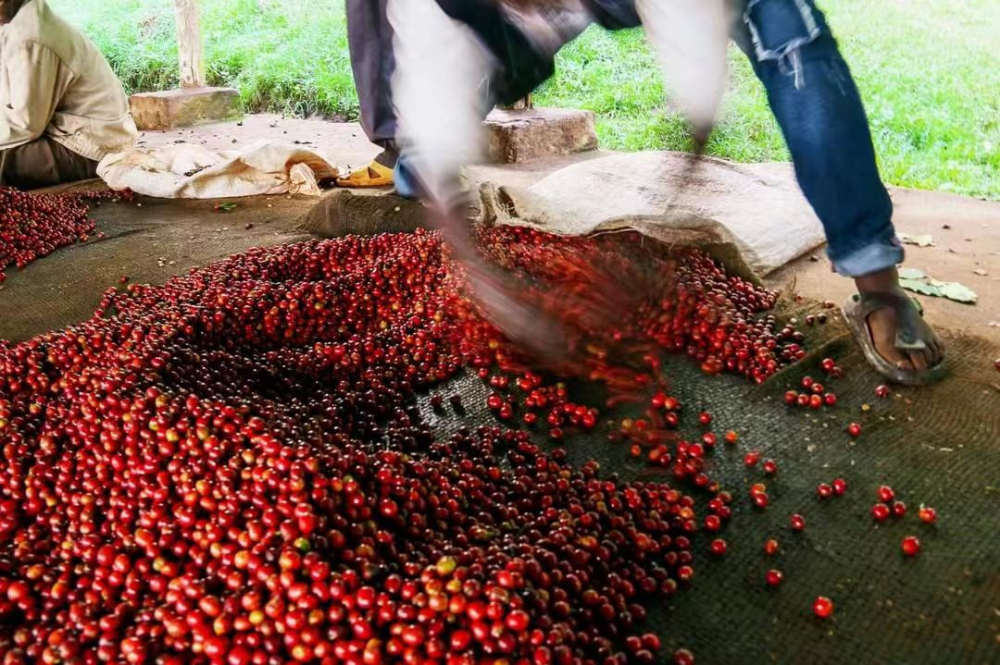 Arabica has relatively high environmental requirements. The plant typically grows to a height of 2.5 to 4.5 meters, is not cold-resistant or frost-tolerant, and has low resistance to drought. Its coffee beans are usually oval-shaped and slightly flattened, with an S-shaped curved center crack and a smoother back. The beans are larger, with clean and clear flavors, bright acidity, and relatively low caffeine content, ranging between 0.8% and 1.5%. Representative examples such as Panamanian Geisha and Jamaican Blue Mountain, nurtured by special geographical and climatic conditions, produce exceptional flavors and are among the most expensive coffees in the world.
In comparison, Robusta (which is actually a cultivated variety under the Canephora species), although accounting for 20%–30% of global production, is mostly used in commercial blends or instant products. It has stronger disease resistance, high-temperature tolerance, and high yield, with caffeine content as high as 2.7%–4%. Its flavor tends to be strong, bitter, and often carries woody, nutty, or grainy notes, making it suitable for dark roasts or espresso blends.
Many Arabica varieties originated from Ethiopia’s Typica and Yemen’s Bourbon, and later, through mutation or artificial selection, developed into diverse varieties in Central and South America, Asia, and other regions. Below are some common and representative subspecies introduced.
Typica
As one of the most original Arabica varieties, Typica is considered the ancestor of most modern cultivars. Its top leaves are bronze-colored, the beans are slender and slightly pointed, the flavors are delicate and soft, but the plant is weak in disease resistance and has low yield, requiring careful care. Representative products include Jamaican Blue Mountain, Sumatra Mandheling, and some high-altitude sun-dried processed beans.
Bourbon
Bourbon is a natural mutation of Typica after it was introduced to Yemen. The beans are rounder, and the flavors are usually sweeter and fuller. It was introduced to Bourbon Island (now Réunion) by the French in 1715, hence the name. It later spread to Brazil and Central and South America and serves as the foundation variety for many specialty coffees. It includes sub-varieties such as Red Bourbon, Yellow Bourbon, and Pink Bourbon. Red Bourbon, common in Brazil, is known for its balanced profile, while Yellow Bourbon is particularly notable for its prominent sweetness.
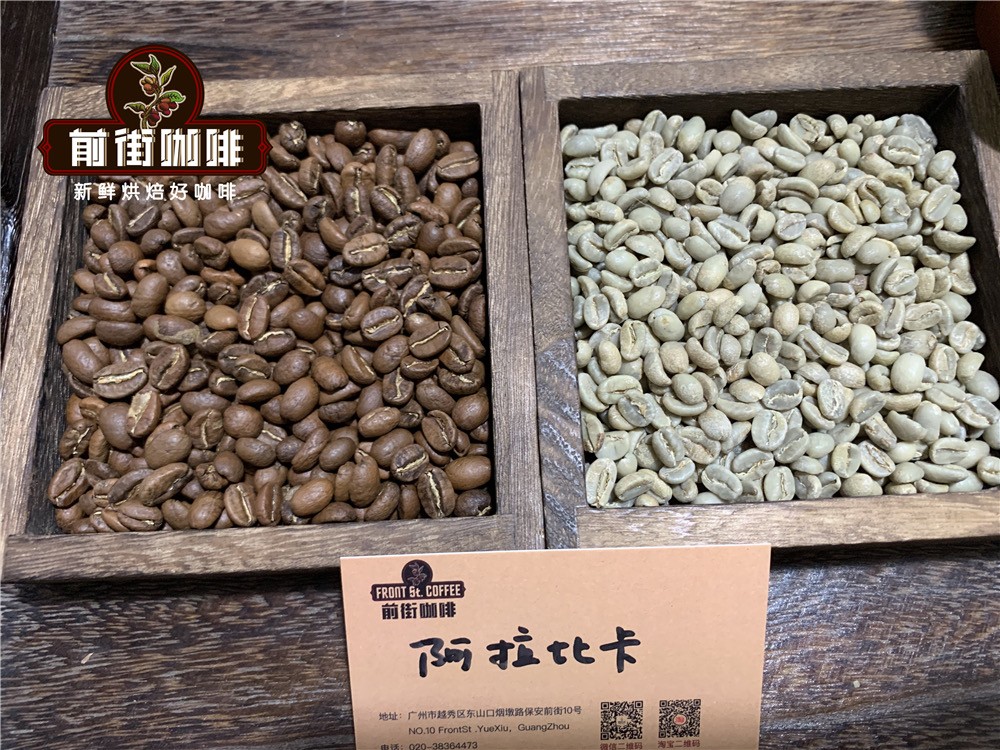
SL28 and SL34
These two varieties originate from Kenya and are mutations of Bourbon. They are adapted to high altitudes and mineral-rich soil environments, particularly exhibiting unique black plum acidity, citrus notes, and wine-like aftertastes. Their acidity and sweetness are well-balanced with notable layers, representing high-quality washed coffee. For example, Kenya AA from the Assara region is a classic example of this type.
Caturra
Caturra is a dwarf natural mutation of Bourbon, discovered in Brazil but better suited for cultivation in high-altitude regions of Central and South America, such as Colombia, Costa Rica, and Nicaragua. Its shorter tree structure makes harvesting easier, and its yield is slightly higher than that of Bourbon, though its disease resistance remains limited. Its flavors are clear with bright acidity, making it highly favored in the specialty coffee market.
Catuai
A hybrid of the New World variety and Caturra, Catuai combines the benefits of dwarfism and sturdy fruiting. It has strong wind resistance and is suitable for mechanical harvesting, but its flavor complexity is usually not as rich as that of Caturra. It comes in both red and yellow fruit varieties, with the red fruit often performing better in quality and competitions.
Sumatra Typica / Mandheling
Produced in Sumatra, Indonesia, Mandheling coffee is known for its bold, thick body, low acidity, and rich bitterness, often accompanied by herbal, spicy, and earthy notes. Although its appearance is often not very uniform, this “roughness” is often seen as a sign of high quality. Golden Mandheling is a premium representative of this type.
Geisha
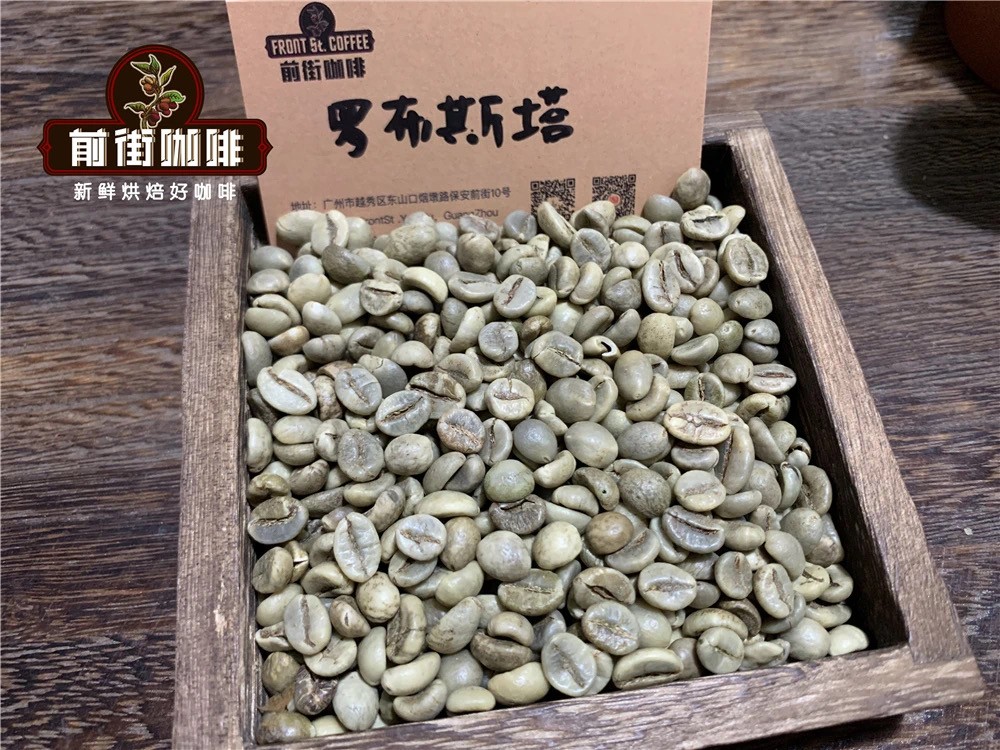
Geishaoriginated in the Geisha Mountains of Ethiopia and was introduced to Panama in the 1960s. It was long overlooked until it made a stunning debut in a competition in 2005. Currently, it performs most outstandingly in the Boquete region of Panama, especially at well-known farms like Hacienda Esmeralda, Elida Estate, and NPGE. Geisha offers tea-like acidity, with complex aromas of jasmine, peach, and honey, and is a representative of high-end specialty coffee.
There are significant differences between Arabica and Robusta in many aspects.Arabica has 44 chromosomes, twice as many as Robusta (22),which enables it to produce a richer array of aroma and flavor compounds. In addition, Arabica thrives at altitudes of 800 to 2200 meters in cool highlands, where the large diurnal temperature variation helps slow fruit ripening and accumulate more flavor substances. However, this also means slower growth, lower yield, greater susceptibility to climate and pests, and relatively higher costs.
Robusta, on the other hand, contains higher concentrations of caffeine (2.7%–4%) and antioxidants, which effectively resist pests and diseases. It is suitable for cultivation at low altitudes, yields more, and is cheaper, but its flavors are relatively monotonous and often carry undesirable off-notes. It is mainly used in instant coffee or dark roast espresso blends.
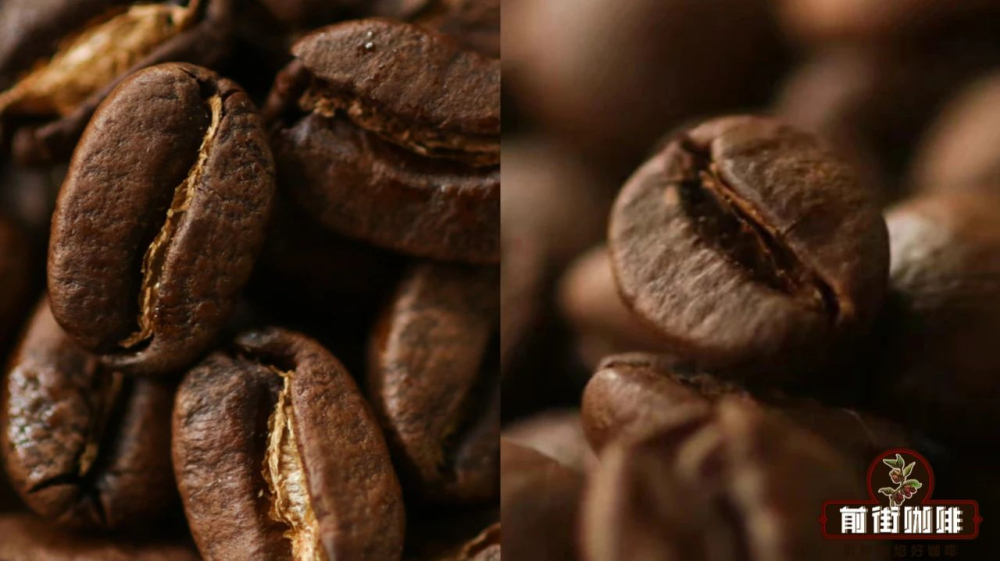
In summary, Arabica comes in a wide range of varieties with diverse flavor expressions. From the soft and sweet Typica, the sweet and bright Bourbon, to the complex and layered Geisha, each subspecies has its unique charm. When choosing coffee beans, in addition to paying attention to origin and processing methods, variety is also an important factor influencing flavor. It is recommended to try different varieties according to personal taste preferences to experience their varied acidity, sweetness, and aroma profiles.
For brewing,the freshness of Arabica coffee beans is crucial—the best flavor period is within 5 days post-roast, and optimal extraction is achieved after resting for about 4–7 days. If purchasing coffee powder, it is advised to use it as soon as possible to avoid oxidation affecting aroma and taste. Using whole beans and grinding them fresh for each brew better highlights the unique character of each variety.
The above content is compiled by CoffeeHunters, a coffee news website.


