








Introduction:Delve into the Chopin coffee beans from Costa Rica’s Musician Series, exploring everything from the unique growing environment of the Canet Estate, the raisin honey processing method, to the distinctive flavor profile of the Yellow Caturra variety. This article not only explains the origins of its rose-like floral aroma and rich sweetness but also provides practical pour over parameters and temperature comparisons to help you master extraction techniques and unlock the best flavor expression.
Costa Rica’s Musician Series has unveiled a new release — the Chopin coffee beans. These premium beans from the Canet Estate are renowned for their captivating rose notes and bright sweetness. They not only offer complexity in aroma and taste but also boast a rich fruitiness and tea-like character due to their special processing method. This article will take you through the growing region, the raisin honey processing technique, the traits of the Yellow Caturra variety, all the way to roast profiles and actual cupping results, with expert pour over recommendations to help you find the key to enhancing sweetness and flavor clarity.
 The crossover of music and coffee is not common, but Costa Rica’s Musician Series — named after Beethoven, Mozart, Bach, and now Chopin — interprets the resonance between music and flavor through four distinct coffees. This creative naming not only sparks interest but also piques the curiosity of coffee lovers about the flavor stories behind each.
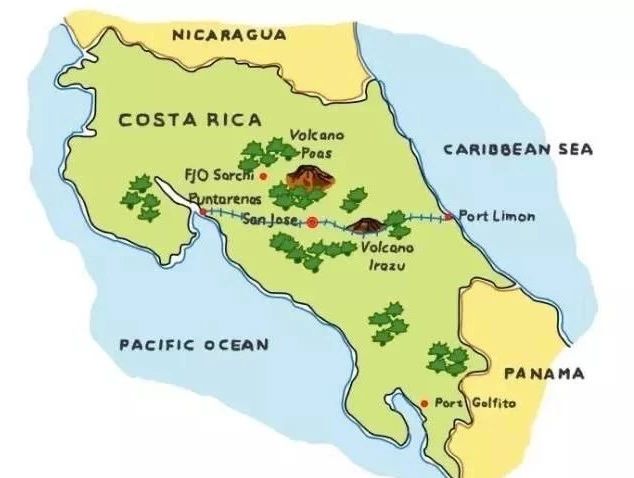
Located in the Central American isthmus, Costa Rica is influenced by the air currents of both the Pacific and Atlantic Oceans, along with numerous volcanoes exceeding 2,000 meters in altitude, creating a unique microclimate. Coffee is grown in mineral-rich volcanic ash soil, slowly ripening at high altitudes and cool temperatures, which endows the beans with fuller flavors and greater complexity.
Regional Terroir and Micro-Processing Trends
Costa Rica’s coffee harvest season is generally divided into the dry season (December to April) and the rainy season (May to November), with the dry season also being the main harvesting period. In recent years, the rise of micro-processing mills has not only saved over 90% of water resources but also eliminated the need for large fermentation tanks and drying patios, significantly lowering the barriers to entry. This shift has also led to “honey processed” coffees becoming market favorites due to their low acidity, high sweetness, and complex aromas.
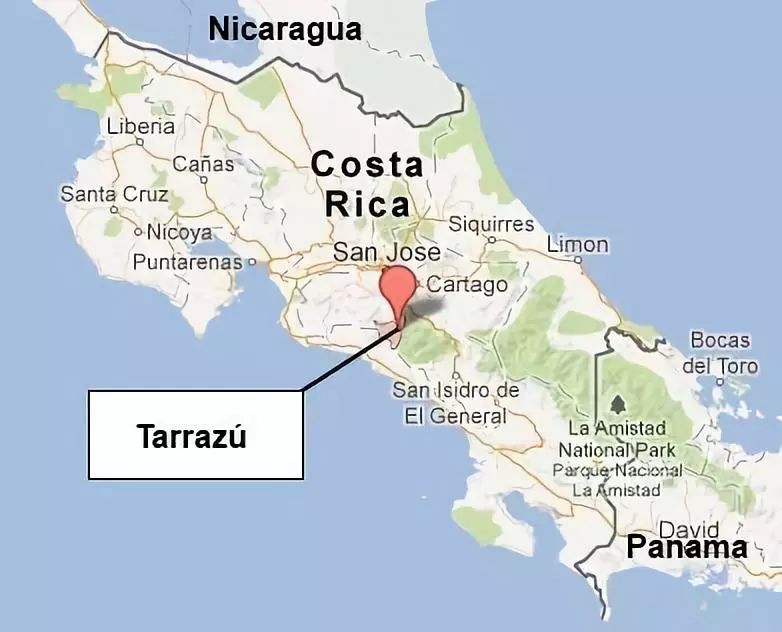
Major coffee-growing regions nationwide include the West Valley, Central Valley, Tarrazú, Tres Ríos, Orosi, Brunca, Turrialba, and Guanacaste. Among them, Tarrazú is a renowned premium origin, once praised by the British royal family and even mentioned in a Pope’s speech.
The Origin of the Canet Estate and Chopin Coffee Beans
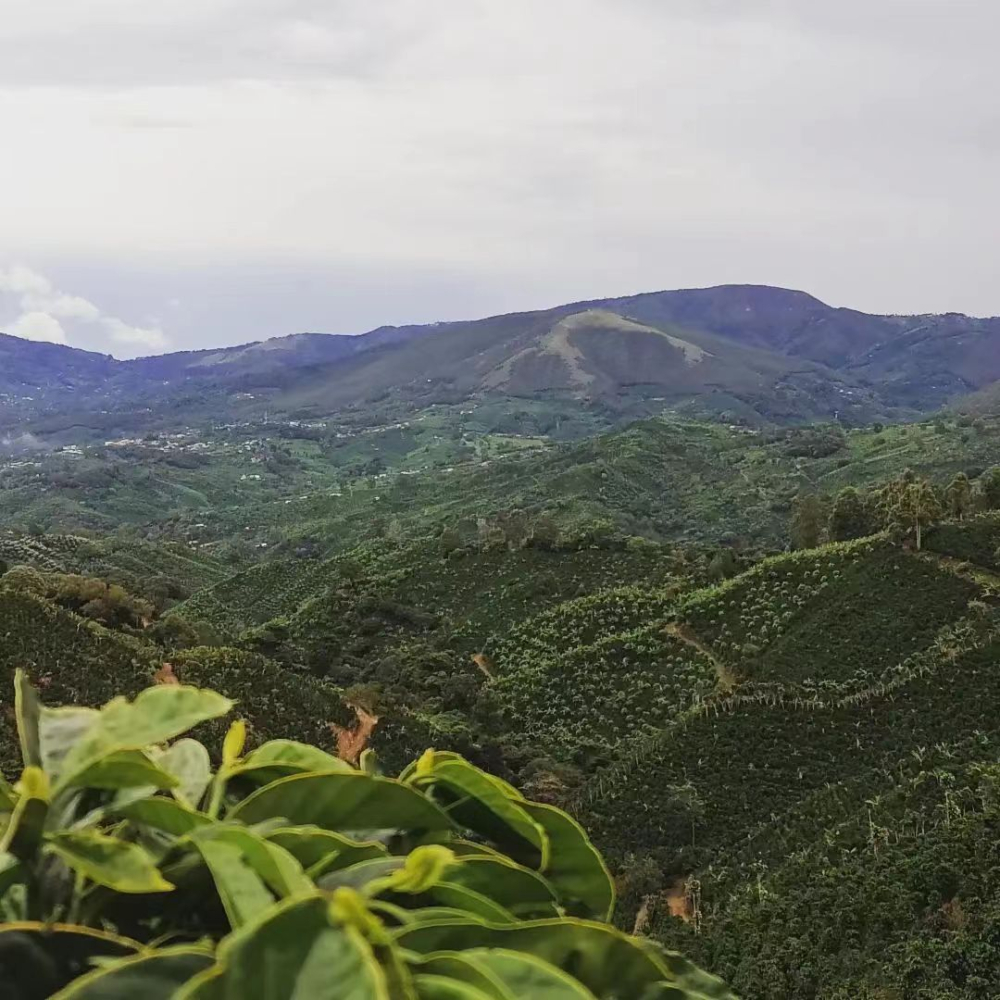
The Costa Rican Chopin coffee beans come from the Canet Estate, known primarily for its passion fruit. The estate dedicates only a small area to coffee cultivation, so each bean receives special care. When brewed, these beans exhibit pronounced rose floral notes, paired with a balanced acidity and sweetness reminiscent of raisins and white wine. With careful sipping, one can even detect an aftertaste akin to Tieguanyin, making for a uniquely layered and distinctive flavor.
The Key to Raisin Honey Processing
So-called raisin honey processing is an advanced version of honey processing. On the day of harvest, coffee cherries are first sorted by water: ripe, plump ones sink while unripe or overripe ones float and are removed. The selected fruits are then placed on raised beds to dry until they shrink to a raisin-like state, after which the outer pulp and skin are removed, but the rich mucilage layer is retained for subsequent drying.
This processing method not only results in more expressive fermentation flavors and richer flavor layers, but also, due to the high retention of mucilage, highlights sweetness and body. However, it’s important to continuously and evenly turn the beans during drying and strictly control the drying speed — promoting fermentation while avoiding over-fermentation that could lead to off-flavors.
Variety Profile: Yellow Caturra
Chopin uses Yellow Caturra, a variety resulting from a cross between Mundo Novo and Caturra, first successfully cultivated in Brazil in 1949. Yellow Caturra is highly disease-resistant and well-suited to high-altitude and windy environments. Its green raw beans give off a strong tea aroma with subtle fermented notes, featuring clean and delicate acidity, laying a solid foundation for the final flavor’s refreshing brightness.
Roast Curve and Parameters
This roast was performed using a Yangjia 800N semi-direct-fire roaster with a 300g capacity. The initial drum temperature was 180°C, with power set to 130 and the air damper at 3. After about 1 minute and 36 seconds, the temperature rebounded and power was maintained; at 140°C, the air damper was increased to 4. At 5 minutes and 20 seconds, the beans turned yellow and the grassy aroma faded as they entered the dehydration phase. At 166°C, power was reduced to 110 while the air damper remained at 4; at 176°C, power was further reduced to 80 with no change to the air damper.
Around 8 minutes and 15 seconds, dehydration was complete, with the bean surface showing wrinkles and dark spots. At this point, the aroma shifted from toasted bread to coffee, signaling the approach of first crack. First crack began at 9 minutes and 21 seconds, with the air damper fully open to 5 and power unchanged. Development continued for 2 minutes and 5 seconds after first crack, with the roast finishing at 195.2°C.
The Agtron bean color value was 70.3, the ground value 78.3, with a Roast Delta of 8, placing it in the medium-light to medium roast range — ideal for highlighting fruitiness and sweetness.
Cupping Flavor Profile
Cupping results showed that this coffee presents flavors of rose, raisin, berries, and fruit tea, with clear layers and prominent sweetness, making it suitable for those who enjoy a balance of fruity and full-bodied profiles.
Pour Over Recommendations and Temperature Comparisons
It is recommended to use a Hario V60 filter cone, with a brew ratio of 1:15 and a grind size of approximately 80% passing through a Chinese standard No. 20 sieve (i.e., fine grind). Use a staged extraction method: begin with a 30-second bloom using 30g of water, then pour in a small circular motion up to 125g for the first pour. When the water level drops and is about to expose the coffee bed, continue pouring to 228g, then stop and wait for the water level to drop again and nearly expose the bed before removing the filter. Total brew time is about 1 minute and 56 seconds.
Practical testing found that using 92°C water temperature for brewing results in more pronounced citrus acidity and tea-like qualities, with clear berry aromas. Slightly lower temperatures yield more intense fermentation aromas, with lasting and smooth sweetness. If using 90°C water temperatureinstead, the rose floral notes become even more prominent, accompanied by raisin and tea characteristics, resulting in a rounder, smoother mouthfeel and equally excellent sweetness performance.
By adjusting water temperature and mastering the details, you too can fully showcase the rose sweetness and rich layers of this Costa Rican Chopin coffee in your cup.
The above content is compiled by CoffeeHunters, a coffee news website.


