








Introduction:From the highland freshness of Africa to the rich herbal notes of Asia, the world’s six classic coffee-growing regions each have their own distinct characteristics. This article delves into the growing environments, processing methods, and flavor profiles of regions such as Ethiopia, Colombia, and Brazil, accompanied bypour over brewing recommendationsandflavor wheel keywordsto help beginners quickly build a taste map and select their first specialty bean that suits their personal preferences.
The global coffee flavor map can be divided into three core regions: Africa, the Americas, and Asia. Each area, due toaltitude, climate conditions, and post-harvest processing methods, produces highly recognizable cup profiles. For those new to pour over coffee, it is recommended to start withbeans that have distinctive regional characteristics and good value for money, exploring flavor differences through geographic divisions.

Africa · Ethiopia: Although small in size, the town of Yirgacheffe is an important hub for the country’s specialty coffee. The local growing altitude is about1800–2100 meters, and the cool, humid microclimate combined with a garden-style mixed planting system (commonly under banana trees) gives the coffee bright acidity and floral-fruit notes. Yirgacheffe processed with modern washed methods offers dry aromas oflemon, bergamot, and green tea, with a cup featuringwhite floral tones, citrus-like acidity and sweetness, and a light tea-like body. It is suitable for brewing with aV60 filter, 90–92°C water temperature, and a 1:15 coffee-to-water ratio. The recommended grind size is medium-fine to fine (70–75% passing through a Chinese standard No. 20 sieve).
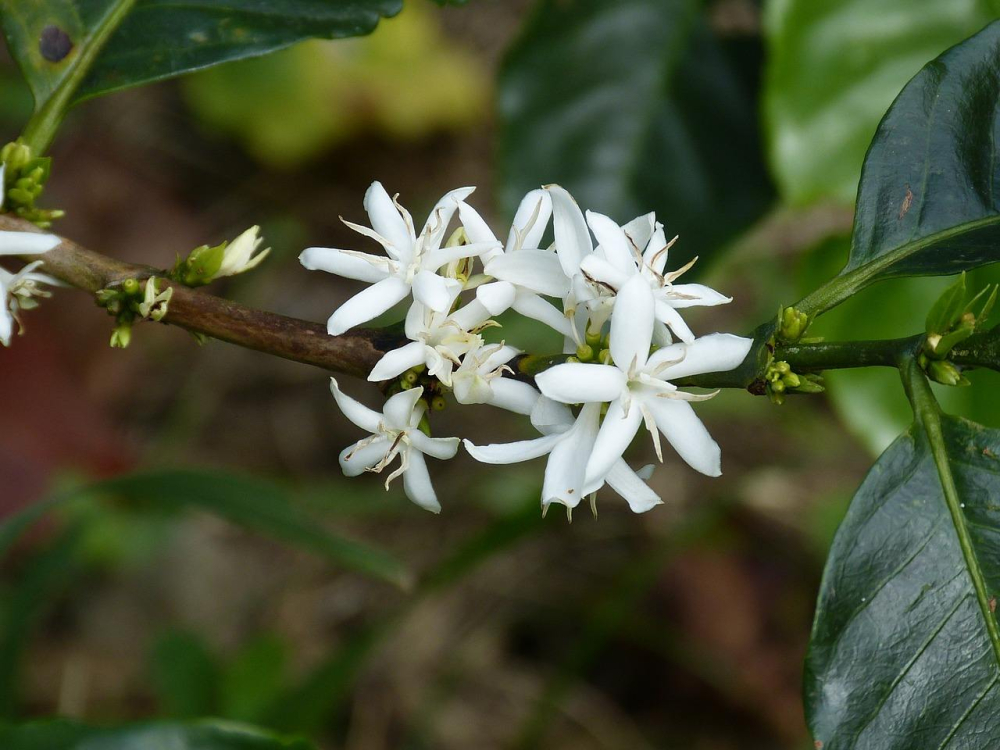
Americas · Colombia: The Huila region is located on the eastern foothills of the Andes Mountains, where coffee trees are mostly plantedunder tall shade trees (such as banana trees), with shade structures erected during the seedling stage to maintain stable temperature and humidity. This cultivation method slows down fruit ripening, promotingthe accumulation of sucrose and aromatic compounds. Washed Huila coffee exhibitsa base of dark chocolate, roasted nut tones, and gentle citrus acidity, with a caramel-like sweetness in the aftertaste. For pour over brewing, it is recommended to use aKalita wave filter, 88–90°C water temperature, and a 1:16 coffee-to-water ratio, adjusting the grind to medium-coarse (65–70% passing through a Chinese standard No. 20 sieve) to highlight its rich and balanced character.
Americas · Brazil: Of the country’s26 states, 17 produce coffee, with the main varieties being Bourbon and Catuai, which are well-suited to low-altitude (800–1200 meters) environments. The flat terrain lacks significant microclimatic variation, and theunshaded sun-grown planting methodresults in a unique “soft bean” style—low acidity, high body, withroasted peanut, caramel sweetness, and dark chocolate notes in the finish. Beans from the Cerrado region are particularly suitable assingle-origin pour over or espresso blend bases. It is recommended to use aFrench press, 93–94°C water temperature, with a 30-second bloom followed by pouring to a 1:14 coffee-to-water ratio, to fully showcase its nutty-chocolate foundation.
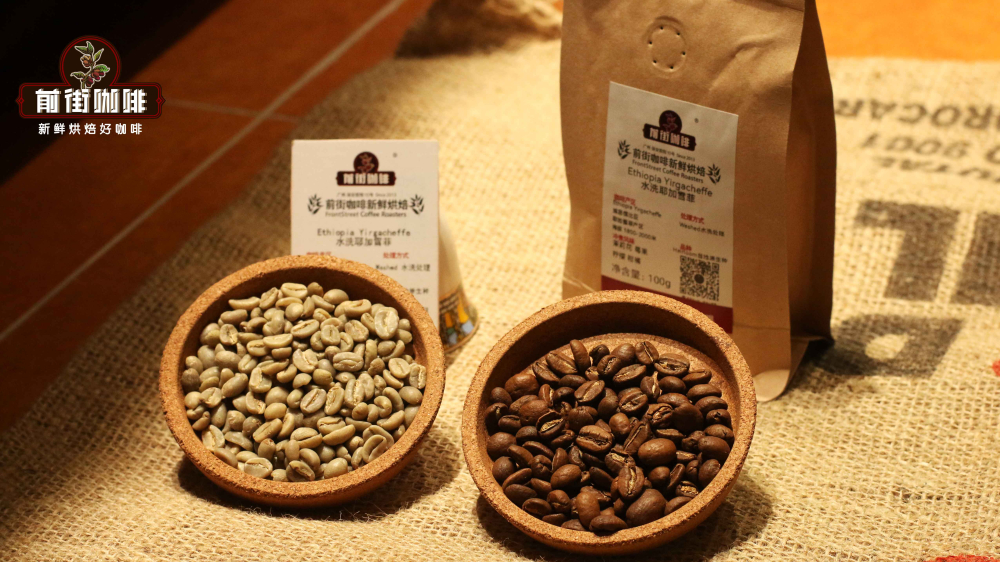
Americas · Costa Rica: The Tarrazú region is located in the highlands of the Central Valley and strictly adheres toorganic cultivation standards (no chemical pesticides or synthetic fertilizers), coupled withan altitude of 1500–1700 metersand significant day-night temperature variations, producing beans that balance cleanliness with complexity. Traditional washed processing preserves bright acidity, with a flavor profile that includessweet orange, red berries, and roasted almond notes. For pour over, it is recommended to use anAeroPress or siphon brewer, 90–91°C water temperature, and a 1:15 coffee-to-water ratio. A medium-fine grind (70% passing through a Chinese standard No. 20 sieve) can balance fruit acidity and sweetness.
Asia · Yunnan, China: The Pu’er and Baoshan regions crossed by the Tropic of Cancer featurealtitudes of 1800–2000 meters, red soil, and a monsoon climate, where Typica and Catimor varieties demonstrate unique adaptability here. Despite challenges in harvest stability due to the rainy season, therefined washed processing methodeffectively reduces defect rates, resulting in a balanced taste. Selected batches exhibitcaramel sweetness, roasted nuts, and subtle cocoa notes, making them suitable for beginners trying Asian beans for the first time. Recommended pour over parameters include90°C water temperature, 1:16 coffee-to-water ratio, with total water poured in two stages of 1:15. A medium-coarse grind (65% passing through a Chinese standard No. 20 sieve) can highlight the layers of sweetness.
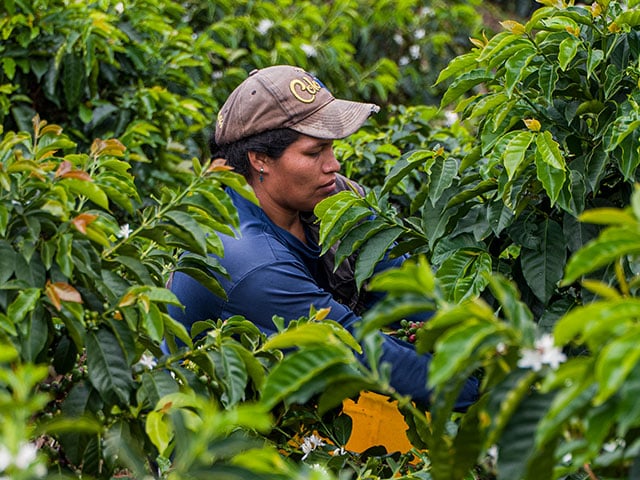
Asia · Indonesia: Mandheling coffee from Sumatra is renowned for itswet-hulled (Giling Basah) method—where the semi-hardened green beans have their outer mucilage quickly removed and drying time shortened, creating the signatureherbal, woody spice, and earthy aromas. Although the fermentation process can easily produce off-flavors, proper control can result in a rich and layered full-bodied taste. It is recommended to use amoka pot or dark roast pour over (94–96°C water temperature), with a 1:13 coffee-to-water ratio, and a coarse grind (60% passing through a Chinese standard No. 20 sieve) to avoid over-extraction bitterness, to experience itscomposite flavors of pine, sandalwood, and dark chocolate.
In summary, the terroir characteristics of the six regions intertwine through processing methods and altitude conditions. From the citrus-floral notes of Ethiopia to the herbal richness of Indonesia, each bean tells a unique story. Beginners may follow the logic of“region → altitude → processing method → flavor keywords”to gradually explore, adjusting grind size and water temperature to find their own coffee flavor coordinates.
The above content is compiled by CoffeeHunters, a coffee news website.


