







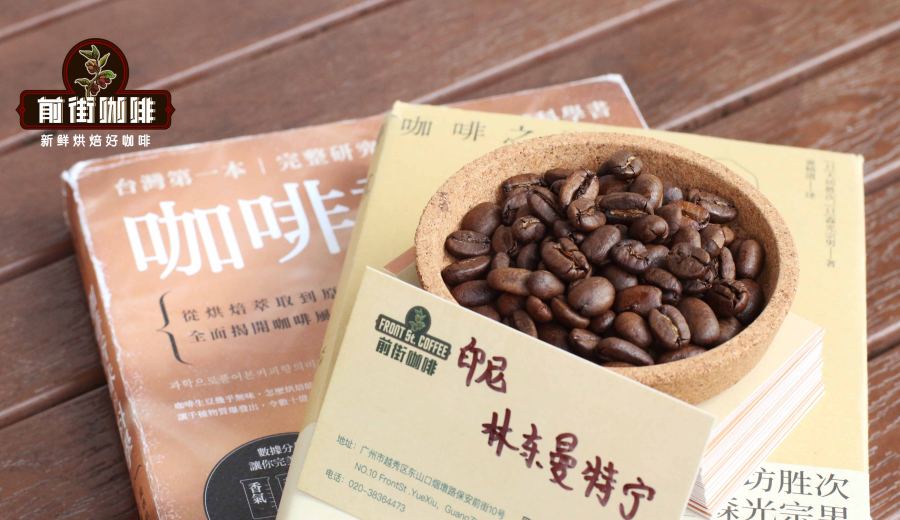
Introduction:Mandheling coffee from Sumatra is renowned for its full-bodied richness, but even within Mandheling, beans from Lake Toba and Lake Tawar offer distinctly different flavor profiles. This article takes an in-depth look at the G1 Takengon Mandheling from Lake Tawar, analyzing its unique cultivation background in the Gayo Highlands of Lake Tawar and its wet-hulled processing method. We’ll explore its complex flavor profile of caramel, spices, and dark chocolate, compare the differences between the two major producing regions, and provide practical brewing recommendations to help you more accurately select and appreciate this classic Southeast Asian coffee.
When it comes to Arabica coffee from Sumatra, many people immediately think of the name “Mandheling.” However, Sumatra can actually be divided into two major producing regions: Lake Toba in North Sumatra and Lake Tawar in Aceh Province. These two regions are not only over 300 kilometers apart geographically, but their cultivation histories also differ by at least 36 years, resulting in significant flavor variations.
Mandheling from the Lake Toba region typically exhibits deep, bold aromas, sometimes even carrying a unique sweet note reminiscent of grass jelly. In contrast, Mandheling from the Lake Tawar region—especially the Takengon Mandheling G1 from the Gayo Highlands—features brighter acidity and woody tones, often accompanied by complex aromas of cedar and dark chocolate. These differences stem not only from microclimates and soil conditions but are also heavily influenced by local processing methods.
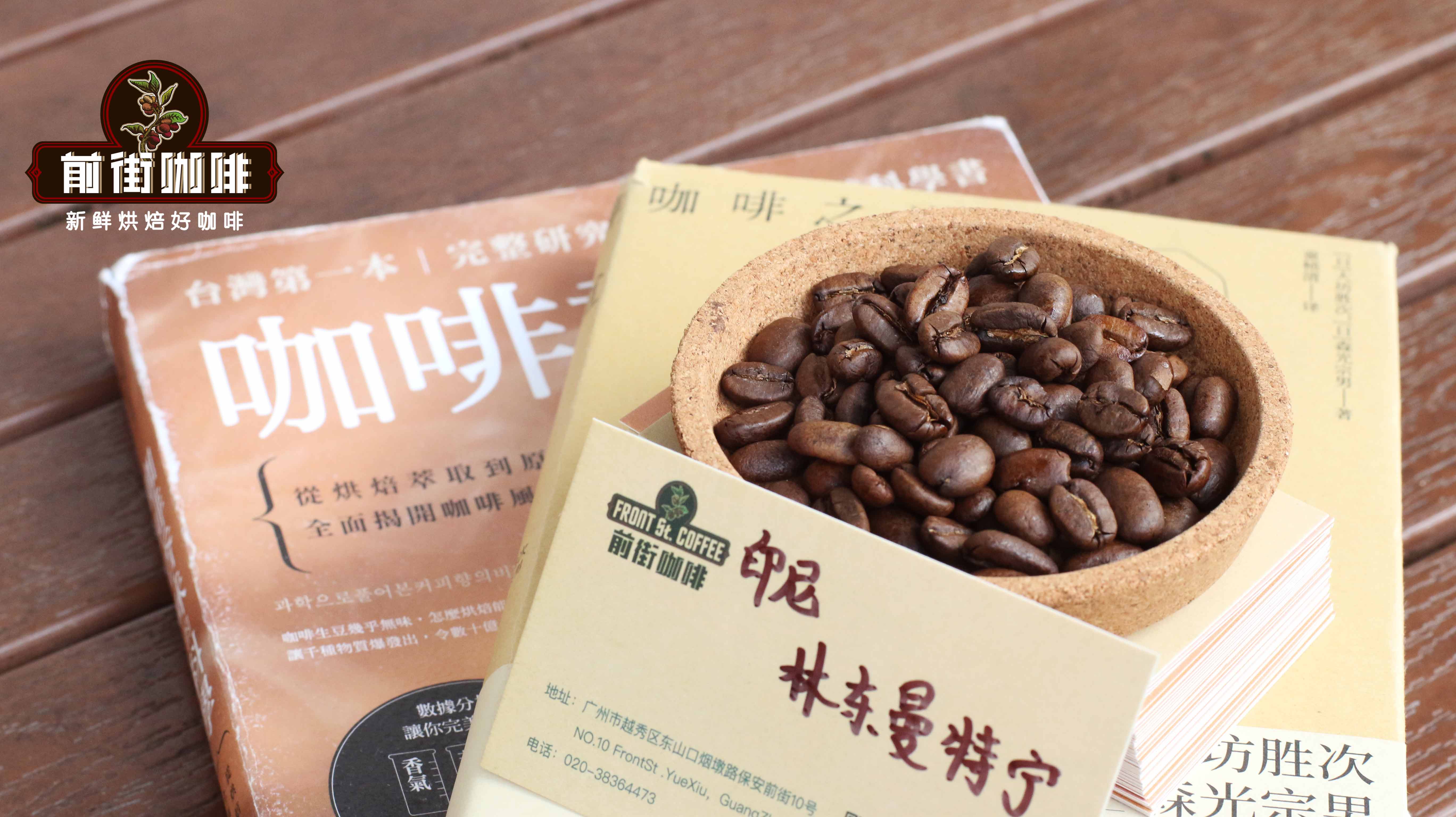
Lake Tawar is located in the Gayo Highlands of northern Aceh Province, within Indonesia’s tropical rainforest climate zone. With high temperatures, high humidity, abundant rainfall year-round, and fertile volcanic soils, it provides an ideal environment for coffee cultivation. However, due to its remote location, coffee farming started relatively late, around 1924, and shade-grown practices are predominantly used to avoid pesticide application, resembling a near-organic farming approach.
The high humidity in the area means that after the initial washing and fermentation, parchment coffee often undergoes only one to two days of sun drying, during which the green bean moisture content remains between 30% to 50%. The parchment is then removed early, and drying continues, effectively shortening the overall processing time. This special semi-washed technique, known in Indonesian as "Giling Basah," is what the industry commonly refers to as “wet-hulled processing.” The final moisture content of the green beans is reduced to 12% to 13%, which is also one of the key factors contributing to the unique texture of Sumatran coffee.
Interestingly, the name “Mandheling” does not originate from botanical classification but rather from a linguistic misunderstanding. It is said that during the Japanese occupation of Sumatra in the 1940s, a soldier was highly impressed by the local coffee and asked the locals what kind of coffee it was. Due to the language barrier, the locals misunderstood his question as being about their ethnicity and responded that they were from the “Mandailing tribe.” Later, this name was altered in pronunciation during export and became “Mandheling,” eventually becoming synonymous with Sumatran coffee.
As the name suggests, Takengon Mandheling G1 belongs to the highest grade (Grade 1) in the Indonesian green bean classification system, representing meticulously selected beans free of defects. The green beans are a vibrant emerald green, plump and uniformly sized, resembling meticulously crafted gemstones. In terms of flavor, Takengon Mandheling G1 presents a rich caramel sweetness, multi-layered spice notes, woody undertones, and a soft dark chocolate finish. Its overall flavor structure is tight-knit and well-layered.
In terms of brewing methods, Takengon Mandheling G1 is suitable for a variety of extraction tools, including pour over, French press, clever dripper, siphon, moka pot, and even espresso machines, all of which can showcase its characteristics. For pour over, it is recommended to use medium-fine grind, with water temperature controlled between 90–93°C, and employing mid-section pouring and segmented extraction. This helps balance its bold body and bright acidity, highlighting the spicy and chocolatey aftertaste.
Aside from Takengon Mandheling G1, other common varieties on the market include Lintong Mandheling and PWN Gold Label Mandheling from the Lake Toba region. The former embodies the traditional Lake Toba style, with deep, bold, and sweet flavors, making it suitable for those who prefer a strong taste profile. The latter undergoes multiple rounds of manual and mechanical sorting, resulting in large and uniform beans. After medium-to-dark roasting, it delivers intense aromas of cedar, spices, and dark chocolate, with a rich crema, making it especially well-suited for extraction with a moka pot, which can fully highlight its bold texture and long-lasting aftertaste.
In summary, the allure of Sumatran Mandheling coffee lies precisely in the diversity of its producing regions and processing methods. Whether you prefer the bold, low-toned flavors of Lake Toba or the bright, woody characteristics of Lake Tawar, understanding the geography, history, and processing logic behind them can help you make more precise choices, brew better, and enjoy every cup of this classic Indonesian coffee experience.
The above content is compiled by CoffeeHunters, a coffee news website.


