







Introduction:For beginners just starting out with coffee, choosing the right coffee beans can be a challenge. This guide will begin by discussing the optimal flavor window of specialty coffee beans, analyzing when they are at their peak after roasting, and delving into the characteristics and flavor profiles of major global coffee-growing regions to help readers build a basic understanding of bean selection. It will also provide a flavor analysis of representative regions from three continents to help you quickly identify your preferred coffee flavor profile.
Stepping into the world of coffee, one of the first questions many beginners often face is: “How do I choose the right coffee beans for me?” In reality, in addition to personal flavor preferences, understanding the shelf life, roast status, and regional characteristics of coffee beans is key. This article not only explains in detail how specialty coffee beans change from the time they are roasted to when they are at their best for drinking, but also introduces you to the unique flavor expressions of the world’s three major coffee-growing regions — Africa, Latin America, and Asia — giving you a deeper understanding of coffee and making it easier to find the one you love.
Many people who have just started drinking coffee may have previously only encountered instant coffee, and therefore often mistakenly assume that all coffee beans can be stored for long periods like instant products. However, the storage and optimal flavor period of specialty coffee beans are completely different from those of instant coffee. Specialty coffee beans release a large amount of carbon dioxide after roasting — generally, each kilogram of coffee beans will emit about 6 to 10 liters of carbon dioxide in a non-airtight environment, which is about 1% to 1.2% of the total weight of the beans, with more than one-third of that released within the first 72 hours after roasting. For this reason,freshly roasted coffee beans are actually not suitable for immediate brewing, because at this stage the beans are still in their “resting period,” and their flavors have not yet reached their optimal state, possibly exhibiting noticeable harshness and sharp acidity.
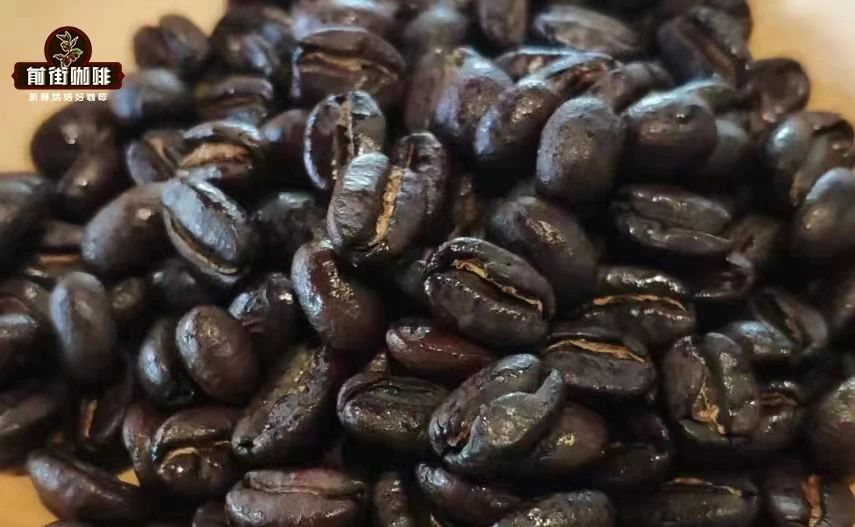
In addition, the aroma of coffee beans is one of the most captivating aspects of single-origin coffee — for example, the popular Yirgacheffe is known for its bright berry notes, while Flower Dance exudes soft floral aromas. However, these aromas gradually fade over time. Generally speaking,from the date of roasting completion, the optimal flavor window for specialty coffee beans is about 15 to 30 days, extendable at most to around 45 days, with days 7 to 21 usually being the golden period when flavor expression is most complete and balanced. If you purchase recently roasted beans, you’ll often find them at this flavor peak within a week of receiving them. Improper storage — such as exposure to air, moisture, or sunlight — not only accelerates aroma loss but may also cause the beans to develop rancid odors or visible oiliness, indicating that the beans have passed their optimal drinking stage.
It’s worth mentioning that most specialty coffees on the market today are roasted tomedium-light to medium-dark levels, with about 80% or more being medium-light or medium roasts. This level of roasting preserves more fruity acidity, floral notes, and delicate sweetness, but also means their optimal flavor window is relatively short. Dark-roasted beans may have a slightly longer shelf life, but their flavors tend to lean toward caramel, chocolate, and nutty profiles, and they also lose flavor more rapidly over time. Therefore, freshness should still be the top priority.
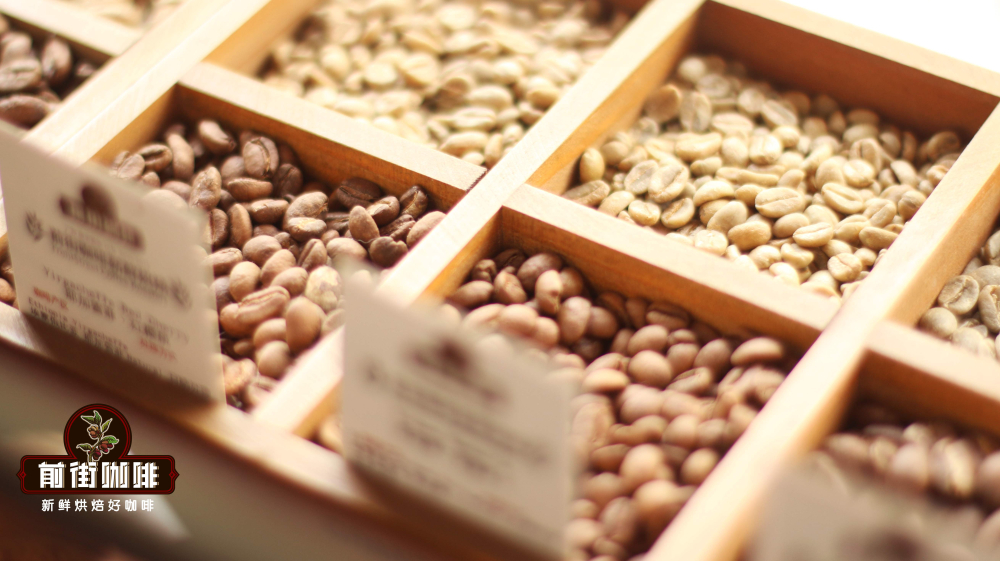
When selecting coffee beans, understanding origin information is a crucial part of the process. Many shops may only label beans as “from Brazil” or “from South America” without providing more specific region or farm details. Such beans are often blends from large regions, making it harder to ensure consistent quality and flavor. Truly high-quality specialty coffee can usually be traced back to specific regions or even farms, which not only guarantees distinctive flavor characteristics but also helps you understand the coffee’s growing environment and processing methods. Additionally, pay attention to the roast date on the packaging, not just the expiration date, because only freshly roasted beans can showcase the fullest aroma and complexity.
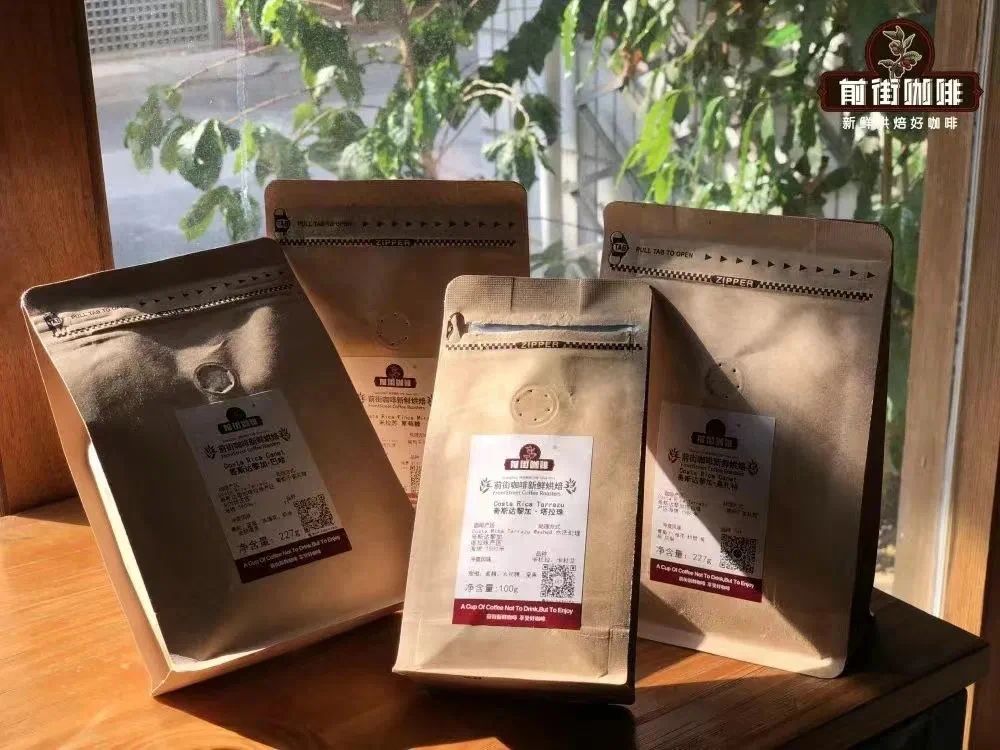
For readers who are just beginning to explore the world of coffee, we’ve specially selected coffee beans from seven representative regions across three continents as beginner-friendly “everyday beans” choices, helping you gradually get to know the unique flavor profiles of different regions. The following introduces them by region:
First, let’s look at Latin America, where coffees are typically well-balanced and full-bodied, with moderate acidity and rich sweetness. For example, Red Bourbon coffee from Brazil’s Cerrado region, grown in the South of Minas area at an altitude of about 1000 meters and processed using the honey method, offers a sweet combination of nuts, chocolate, cream, peanuts, and caramel; Colombian Huila region coffee, grown at high altitudes of 1500–1800 meters and processed using the washed method, presents a harmonious mix of nuts, dark chocolate, and soft fruit acidity; Costa Rica’s Tarrazú region, primarily featuring washed Catuaí and Caturra varieties at 1500 meters altitude, showcases bright notes of sweet orange, honey, and toffee; while Guatemala’s Huehuetenango is known for its complex layers of berries and spices.
Moving to African regions, this is the “flavor treasure trove” in the hearts of many coffee enthusiasts, renowned for its intense fruitiness and bright acidity. For instance, Ethiopia’s Yirgacheffe, grown at high altitudes of 1800–2000 meters and processed using traditional washed methods, is the go-to entry choice for many beginners exploring specialty coffee. Its flavor profile includes fresh jasmine, berries, lemon, and citrus notes, making it perfect for those who enjoy crisp acidity. Other African regions, such as Yemen or Kenya, are also favored for their unique wine-like qualities and explosive berry flavors.
Finally, let’s explore Asian regions, where coffee flavors are generally richer and more robust, often featuring unique soil and fermentation characteristics. Indonesia’s Sumatra’s Lintong region is famed for its Mandheling coffee processed with the wet-hulled (Giling Basah) method, grown at altitudes of 1100–1600 meters, offering flavors of strong toasted bread, nuts, caramel, and herbal notes, making it a favorite among those who prefer dark roasts. Meanwhile, China’s Yunnan Baoshan region, although newer to the scene, has in recent years showcased water-washed Catimor varieties with notes of melon, muskmelon, brown sugar, and black tea, gradually gaining attention in the international market.
In summary, choosing the right coffee beans requires not only an understanding of basic knowledge about roasting and flavor windows, but also a fundamental familiarity with regional flavor profiles. Whether you prefer the bright fruitiness of African beans, the balanced body of Latin American beans, or the rich intensity of Asian beans, you can find your own coffee preference from the regional characteristics introduced above. Remember to select freshly roasted beans with clear and specific origin information to fully enjoy the most complete and captivating coffee flavor experience.
The above content is compiled by CoffeeHunters, a coffee news website.


