








Introduction:The cold brew coffee family includes ice drip, cold steep, cold brew, and iced coffee. Although they are all cold beverages, their production principles, extraction times, and flavor profiles are actually quite different. This article delves into the craft differences, water-to-coffee ratios, grind sizes, and suitable bean types of these four types of iced coffee, helping you choose the most suitable cold coffee brewing method based on your taste preferences and occasions.
In the hot summer, iced coffee becomes the top choice for many coffee enthusiasts. However, even though they are all cool drinks, ice drip, cold steep, cold brew, and iced coffee vary greatly in brewing methods, extraction efficiency, and flavor profiles. Many people often confuse these terms, but in reality, they differ significantly in brewing temperature, time, equipment, and the final taste. This article will guide you through the technical principles, water-to-coffee ratios, grind size recommendations, and bean selection directions, helping you fully understand the production and flavor characteristics of these four mainstream iced coffee styles.
Ice Drip Coffee: Slow Drip Extraction with Unique Fermented Flavors
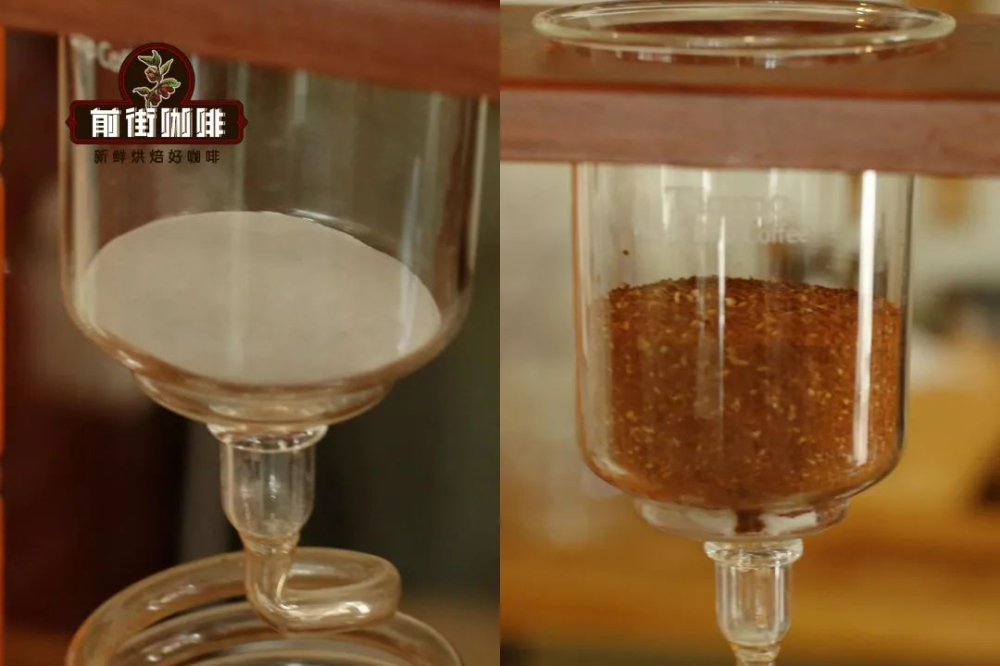
The core of ice drip coffee lies in “slow dripping” and “low-temperature extraction.” This method uses a water reservoir filled with ice water above, and through an adjustable dripping valve, allows droplets to slowly fall and pass through the coffee grounds. The brewed coffee liquid then gathers at the bottom collection container through a filter layer. The entire process usually takes about 6 to 12 hours or even longer. It is recommended to moisten the coffee grounds evenly with cold water before extraction to help reduce acidity and astringency, and enhance subsequent flavor expression.

The advantage is that the low temperature of the ice water can effectively suppress the over-extraction of impurities and bitterness, resulting in a richer and more layered coffee taste. After being refrigerated and rested for 1 to 3 days, it may even develop a slight fermentation effect, bringing a sweet aftertaste similar to whiskey. It is recommended to control the dripping speed at about one drop every 2 seconds, and ensure the coffee grounds are fully wetted initially to avoid channeling. If the flow rate is too fast, it can lead to under-extraction and a thin flavor; conversely, it may over-extract and ferment, producing undesirable sourness or alcoholic notes.
In terms of parameter settings,the water-to-coffee ratio is recommended to be 1:6 to 1:8, meaning 100 grams of coffee grounds can yield 600–800 milliliters of coffee liquid, which can be fine-tuned according to personal strength preferences. The grind size should befinefor better contact between water and coffee grounds. For bean selection, it is recommended to usemedium to dark roasted MandhelingorKenya, as these beans are stable and have rich layers; if you prefer fruity notes, you can also choosesun-dried red cherryorCosta Rica honey processedbeans with medium to light roasts, but it is advised to consume them sooner to avoid over-fermentation affecting the original floral and fruity characteristics.
Cold Steep Coffee: Long Soaking for a Clean, Low-Acid Profile
Cold steep coffee, also known as cold brew or ice steeped coffee, is similar to cold steep tea. It involves placing coffee grounds and cold water together in a sealed container and soaking them in a low-temperature environment for about 12 to 18 hours, then filtering through a sieve and bottling. This method does not involve high-temperature extraction, which can significantly reduce the release of acidity and impurities, resulting in a cleaner, sweeter, smoother, and purer coffee flavor. It tastes even more delicate when served extra cold.
The advantage of the cold steep method is that it amplifies the aroma and sweetness of the coffee while reducing bitterness and off-flavors. It is very suitable for those who prefer a light and less stimulating taste. However, it’s worth noting that due to the long soaking time, the caffeine released is relatively higher, making cold steep coffee a good choice if you need to stay up late or remain alert.


Iced Coffee: Quick Cooling, Convenience First
Iced coffee is the most common and convenient form of iced coffee. The method involves quickly extracting coffee with hot water (such as using a pour over or brewing an Americano base), then rapidly cooling it with ice cubes or an ice bath. Common examples include Japanese-style iced pour over and classic iced americano. The overall preparation time only takes about 2–3 minutes, making it very suitable for everyday quick enjoyment.
Although iced coffee is unmatched in convenience, its biggest drawback is that melted ice can easily dilute the flavor, resulting in a lighter taste, and it cannot showcase the low-temperature, delicate extraction characteristics of ice drip or cold steep. It is suitable for situations where you prioritize efficiency and don’t demand extremely complex flavor layers.

Comparison of the Four Iced Coffee Brewing Methods and Selection Recommendations
Both ice drip and cold steep belong to cold water extraction techniques, hence they are also collectively referred to as “cold brew coffee.” Compared to traditional hot water extraction, cold water can more effectively preserve the original aroma of coffee, reduce the loss of volatile substances, and simultaneously soften acidity and bitterness. In addition, cold water is less likely to oxidize coffee components and helps suppress the generation of astringent flavors, especially extracting relatively less acidic fats.
In contrast, iced coffee, although quick to make and convenient to drink, is essentially hot-brewed coffee that has been cooled down. Therefore, in terms of flavor complexity and uniqueness, it is usually not as distinct or profound as ice drip or cold steep.
In summary, if you are pursuing a delicate fermented feel and complex layers, ice drip is the top choice; if you prefer a clean, low-acid, smooth taste, cold steep is more suitable for daily enjoyment; and when you just want a quick thirst quencher or something easy to make, iced coffee remains a practical option. Understanding these brewing differences will help you choose the most satisfying iced coffee experience in different situations.



The above content is compiled by CoffeeHunters, a coffee news website.


