







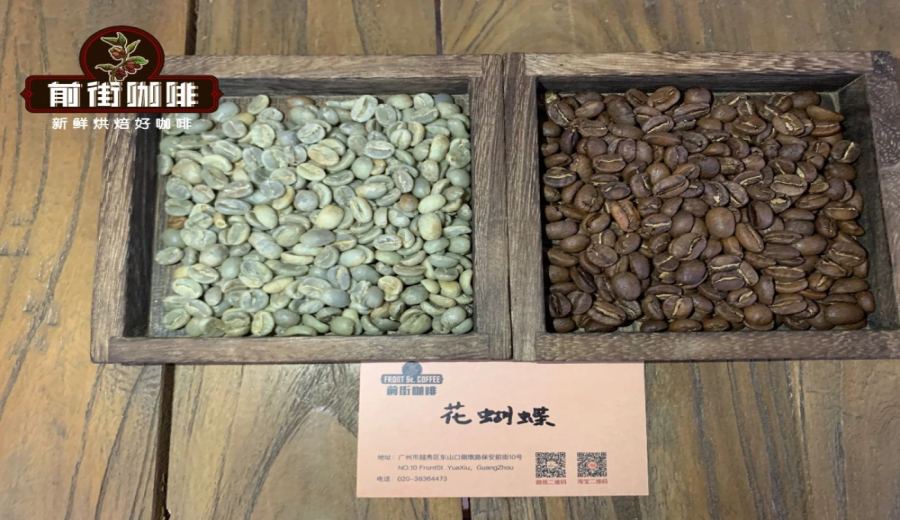
Introduction:An in-depth exploration of Geisha and Catuai Blend (花蝴蝶) coffee beans from Panama’s Boquete region, covering their cultivation environment in high-altitude volcanic soils, the critical role of shade trees, and the flavor differences between washed and natural processing methods. This article details the regional grading of Red, Green, and Blue Label Geishas, the three-variety blend logic of Catuai Blend, and offers pour over brewing parameter recommendations to help coffee enthusiasts precisely capture the unique charm of these specialty beans.
Panama’s Boquete region, with its high-altitude mountainous environment ranging from 1400-1900 meters, fertile volcanic soils, and consistently humid climate, has become a cradle of the world’s top-tier coffees. The Geisha and Catuai Blend beans produced here have secured a place in the specialty coffee market thanks to their distinctive terroir and refined processing techniques. Notably, renowned farms such as Jaramillo and Elida have established complex-flavored specialty beans through rigorous cupping selection and varietal management.
The growing conditions in the Boquete region have a profound impact on coffee quality. High altitude slows the ripening process of coffee cherries, allowing for more thorough accumulation of sugars and flavor compounds; volcanic soils are rich in minerals, providing excellent nourishment for the plants. Additionally, the arrangement of shade trees is also key—full shade planting with over 50 trees per hectare reduces direct sunlight exposure, stabilizes the fruit development rhythm, and thereby enhances the complexity of the final flavors.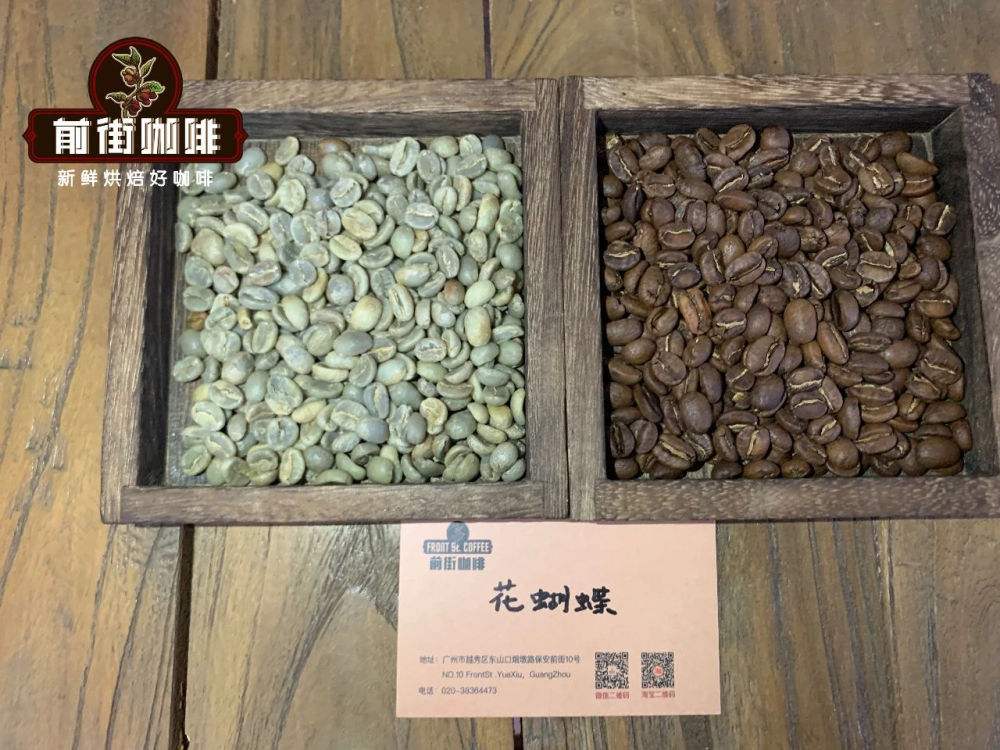
The Geisha series is divided into Red, Green, and Blue labels based on altitude and cupping performance. Red Label Geisha scores 90 or above in cupping tests and is sourced from the high-altitude blocks of Jaramillo and Elida (1600-1800 meters); Green Label, while not strictly requiring high scores, also comes from a mix of plants in these two areas; Blue Label is sourced from slightly lower altitudes of 1400-1500 meters, covering regions of Jaramillo, Elida, and La Mina. This grading system ensures consumers can choose beans based on desired flavor intensity and price range.
Catuai Blend, as a cost-effective option, combines 70% Geisha lineage with Catuaí and Caturra varieties to form a unique flavor profile. Its washed processing is meticulous: first, floatation removes unripe beans, followed by an 18-hour fermentation to remove the mucilage, and finally sun drying. This process highlights bright citrus acidity and delicate floral notes, often emitting intense rose aromas during brewing, making it suitable for drinkers who prefer a fresh and bright profile.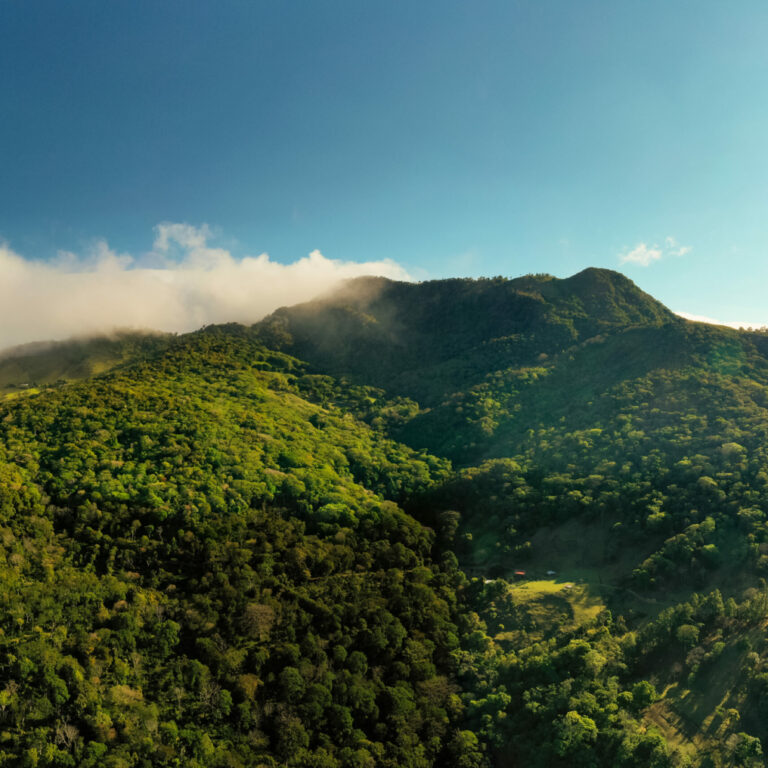
The flavor differences between washed and natural processing methods are significant. Washed beans typically exhibit higher acidity and a cleaner mouthfeel, such as the citrus and floral notes of Catuai Blend; natural beans, due to the fermentation process with the fruit pulp, deliver a richer sweetness and wine-like aroma. Consumers can choose based on personal preference—those seeking a bright and refreshing flavor may prioritize washed processing, while those preferring a full-bodied and rich texture might try the natural version.
For brewing Catuai Blend, a three-stage pouring method is recommended: the first stage involves pouring 30% of the total water volume to pre-wet the grounds, the middle stage stabilizes extraction of the main body of flavors, and the final stage complements the aftertaste layers. This technique helps balance the characteristics of its multiple varieties, fully showcasing the tea-like quality of Geisha and the sweetness of Catuaí. Note that the recommended powder-to-water ratio is maintained at 1:15 to 1:16, with water temperature controlled at 90-92°C for optimal performance.
Elida Estate Geisha showcases yet another flavor dimension. Located at a high altitude of 1600-1800 meters, the cool environment extends the fruit ripening period, combined with the rich nutrients of the volcanic soil, resulting in a more complex layered structure. Compared to other estates, its cupping often reveals more pronounced berry tones and spicy finishes, reflecting the unique influence of the region’s microclimate.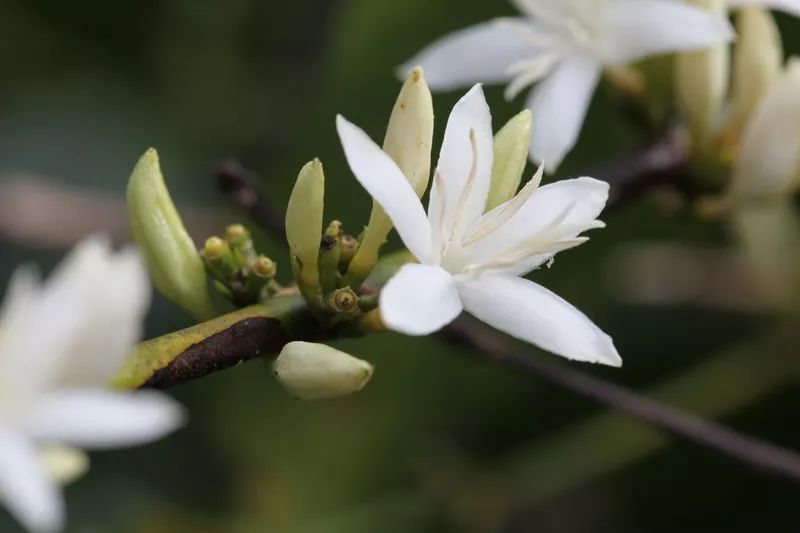
In summary, the Geisha and Catuai Blend coffee beans from Panama’s Boquete region, whether through their grading system, varietal blending, or innovative processing methods, all demonstrate the utmost potential of specialty coffee. With an understanding of these key factors, consumers can more precisely select beans that match their taste preferences and, through appropriate brewing techniques, fully unlock the unique flavor stories within each coffee bean.
The above content is compiled by CoffeeHunters, a coffee news website.


