







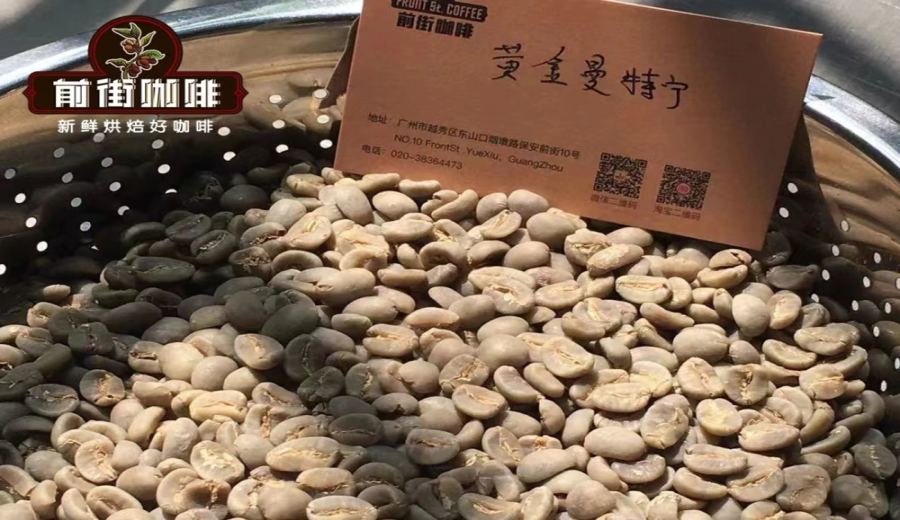
Introduction:Mandheling coffee is widely loved, but many people have only a vague understanding of the differences between Golden Mandheling, Tiger Mandheling, and Lintong Mandheling. This article delves into their origins, variety characteristics, and flavor profiles, offering a comprehensive overview—from naming origins, growing conditions, selection criteria to actual taste—to help you make more informed choices when buying and better appreciate the unique charm of each Mandheling.
When it comes to Mandheling coffee, most coffee enthusiasts are familiar with it. However, for the three classic sub-varieties—Golden Mandheling, Tiger Mandheling, and Lintong Mandheling—many still don’t fully understand their specific differences. What exactly sets these three types of Mandheling apart? And what stories lie behind their names? This article will start with the origin of their names and take you deep into the production regions, variety traits, and flavor expressions of these three classic Mandhelings, while also providing practical purchasing tips so you can truly learn how to distinguish and savor their unique qualities.
First, the term “Mandheling” is actually a historical misunderstanding. It does not refer to a specific producing region, port, or coffee variety, but rather stems from a WWII-era mix-up between a Japanese soldier and an Indonesian coffee shop owner. At the time, the soldier asked for the name of an exceptionally flavorful cup of coffee, but the shopkeeper misunderstood the question as being about his origin, replying “Mandheling” (which refers to the Mandailing ethnic group in Indonesia). The soldier returned to Japan, unable to forget that remarkable cup of coffee, and subsequently imported the beans through an Indonesian trader. The name “Mandheling” thus spread widely, becoming synonymous with high-quality Arabica beans from Indonesia.
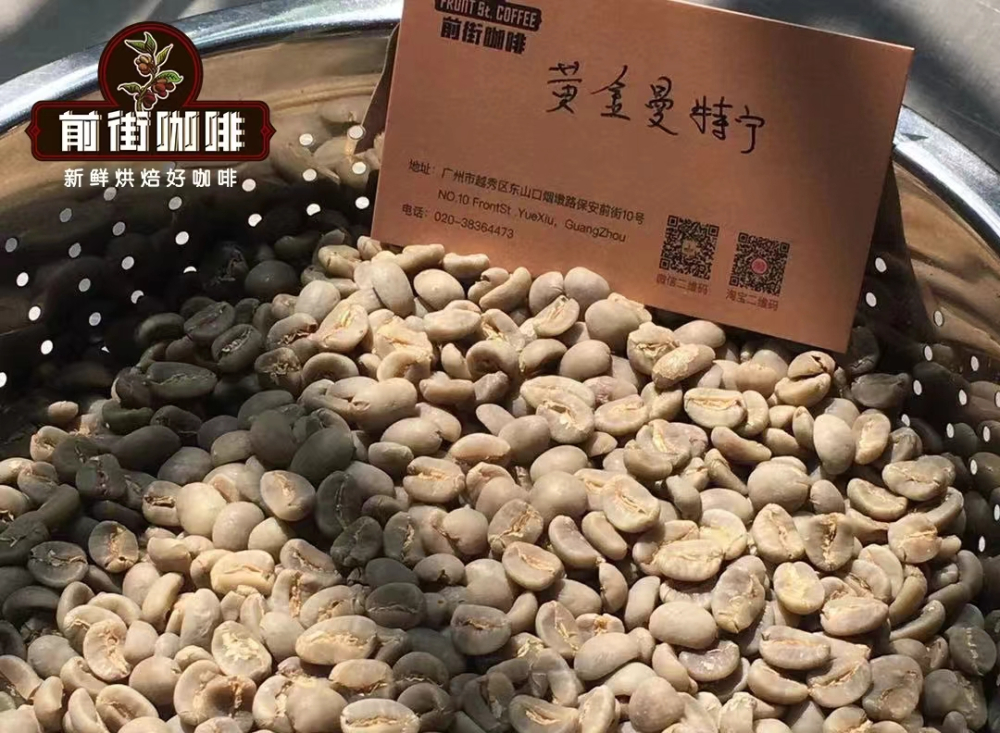
Among the premium representatives of Mandheling, “Golden Mandheling” is certainly at the top of the list. This coffee bean is produced by the renowned Indonesian company Pwani Coffee Company (abbreviated as PWN), which has a stable supply chain of high-quality producing regions in Indonesia and mainly sources Mandheling variety green beans. The hallmark of Golden Mandheling is its rigorous hand-selection process, where only beans that are round, plump, and free of obvious defects are chosen, typically with a very low defect rate. Furthermore, these green beans undergo multiple rounds of re-selection to ensure that each one meets high standards.
It’s worth noting that PWN has registered “Golden Mandheling” as a trademark, meaning that only products bearing this name from this company can legally be called Golden Mandheling. As a result, many beans on the market labeled as “Golden Mandheling” but not sourced from PWN can only be categorized as high-quality specialty Mandheling, rather than the authentic version. To identify genuine Golden Mandheling, check whether the export sacks come with official certification documents—a key indicator of authenticity.
Another highly regarded Mandheling is “Tiger Mandheling,” primarily grown in the Lake Tawar region of Aceh Province, Sumatra, near the Gayo Mountains. The area features a typical tropical rainforest climate with high humidity, stable rainfall, and fertile volcanic soil, providing an ideal environment for coffee trees. However, due to its remote location and limited accessibility, local coffee cultivation started relatively late, around 1924. To this day, many smallholder farmers in the Lake Tawar region continue to grow coffee using traditional shaded farming methods without pesticides, representing an almost organic cultivation approach.
In the Aceh region, coffee is the second-largest export agricultural product after other main crops, with approximately 60,000 small-scale farmers averaging 1 to 2 hectares of land each. Due to the local supply chain relying heavily on multiple intermediary layers, cases of direct purchasing and exporting from farmers are relatively rare. The quality requirements for Tiger Mandheling are very clear: in addition to having distinct herbal and spicy aromas, the defect rate must be below 4%, and the bean size must reach Grade 17 or above to qualify as “Tiger-grade” Mandheling, showcasing a solid and layered flavor profile.
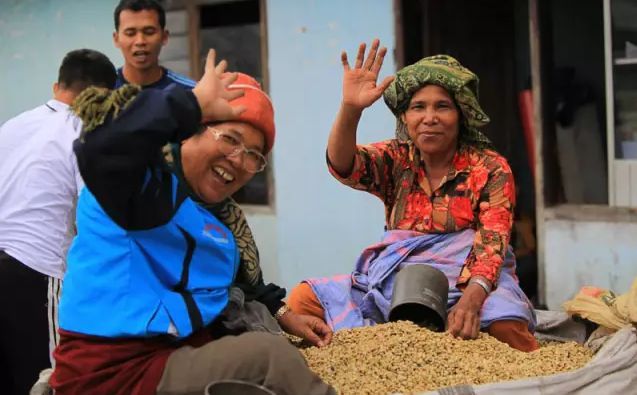
Finally, “Lintong Mandheling” is a relatively traditional and broad term. Generally, any coffee beans originating from the Lintong region of Sumatra can be referred to as Lintong Mandheling. Lintong, as one of Indonesia’s long-established coffee-producing regions, has a long history of cultivation and a relatively mature production and sales system. Its flavor profile typically features rich chocolate notes, moderate acidity, and a full body, making it a staple for many coffee drinkers who enjoy the classic Sumatran style.
In summary, Golden Mandheling, Tiger Mandheling, and Lintong Mandheling each have their own distinctive characteristics, differing in terms of producing environments, selection standards, flavor expressions, and market positioning. If you’re a pour over coffee enthusiast, we recommend comparing the flavor profiles of these three Mandhelings according to your personal taste preferences—for example, the cleanliness and sweetness of Golden Mandheling, the herbal aroma and bold texture of Tiger Mandheling, and the classic full-bodied character of Lintong Mandheling—to further enhance your appreciation of Indonesian Mandheling offerings.
The above content is compiled by CoffeeHunters, a coffee news website.


