







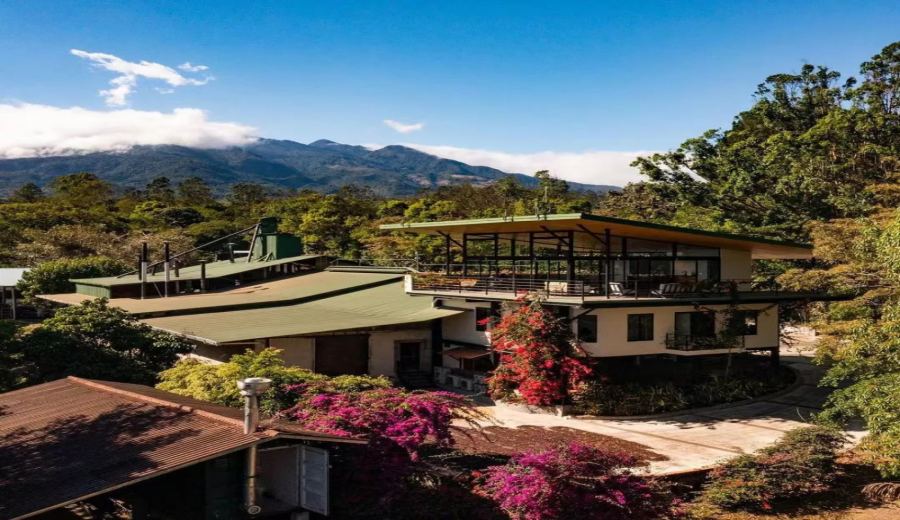
Introduction:Geisha coffee has taken the global specialty coffee market by storm, but do you know about its origins and rise to fame? This article delves into the three-tier grading system of Panama’s Hacienda La Esmeralda — Red Label, Green Label, and Blue Label — and compares it with Ethiopia’s Gesha Village Auction, Gold Label, Red Label, Green Label, and Chaka lots in terms of origin, altitude, processing method, and flavor profile. It aims to help you grasp the key selection criteria and brewing recommendations for each grade of Geisha.
In the world of specialty coffee, Geisha is undoubtedly one of the most celebrated and attention-grabbing coffee varieties. Originally from the Gesha Forest in southern Ethiopia, it rose to prominence at Panama’s Hacienda La Esmeralda, becoming the ultimate choice for coffee enthusiasts worldwide. With the growing trend in specialty coffee, Ethiopia has also begun to see farms dedicated to cultivating Geisha, among which Gesha Village is the most representative. This article will systematically introduce the grading systems and flavor differences of Geisha from these two renowned origins, helping you better understand how to choose the Geisha coffee that suits you.
The Geisha variety was first discovered in Ethiopia’s Gesha Forest in 1931, and later traveled through Kenya, Uganda, Tanzania, and Costa Rica before being introduced to Panama in the 1970s. However, throughout its long cultivation history, Geisha was largely overlooked due to its low yield and challenging cultivation. It wasn’t until 2003 when the owner of Hacienda La Esmeralda noticed its unique citrus, floral, and honey notes, and then won the championship at the Best of Panama (BOP) international competition in 2004, that Geisha skyrocketed to fame overnight.
Hacienda La Esmeralda’s Geisha Grading System
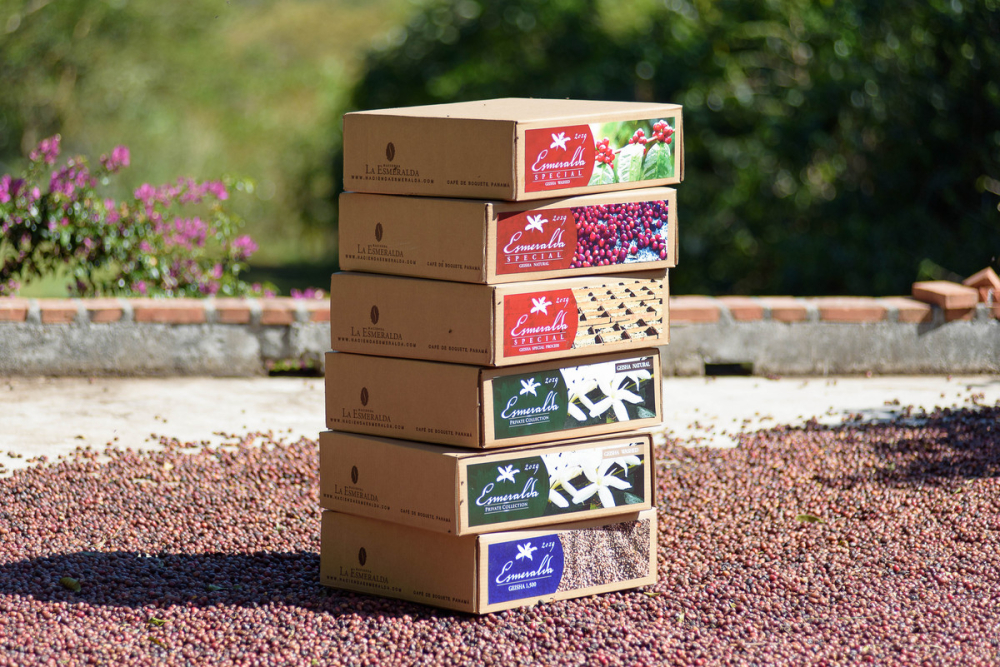
Hacienda La Esmeralda, the driving force behind Geisha’s international renown, categorizes its Geisha offerings into three main grades based on altitude, variety, and plot: Red Label (Esmeralda Special), Green Label (Private Collection), and Blue Label (Geisha 1500). Each grade comes from different growing regions and adheres to distinct cupping standards, influencing the final flavor expression.
Hacienda La Esmeralda Red Label Geisha: Competition-Grade Premium Geisha
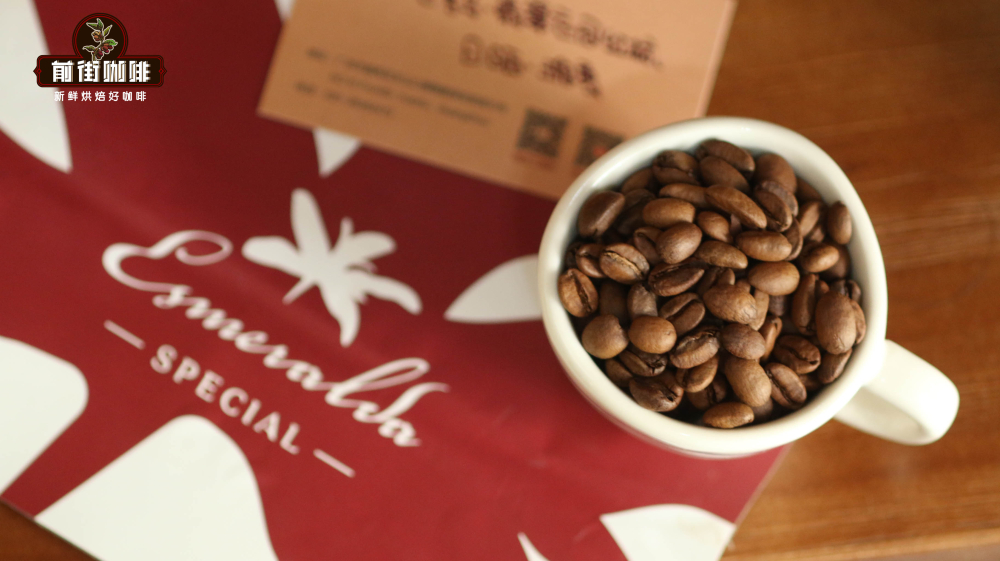
The Red Label Geisha, also known as Esmeralda Special, comes from the Jaramillo and Canas Verdes plots, grown at altitudes between 1600 and 1800 meters, with a cupping score requirement of 90 or above. This grade is reserved exclusively for lots entered into the independent auction, commonly referred to as the auction Red Label. It is worth noting that there is also a non-auction version of the Red Label, which, while sourced from premium plots, does not go through the auction process and is relatively more affordable. Red Label Geisha is typically processed using the natural (sun-dried) method, delivering vibrant flavors often characterized by citrus, complex fruits, rose tea, and honey.
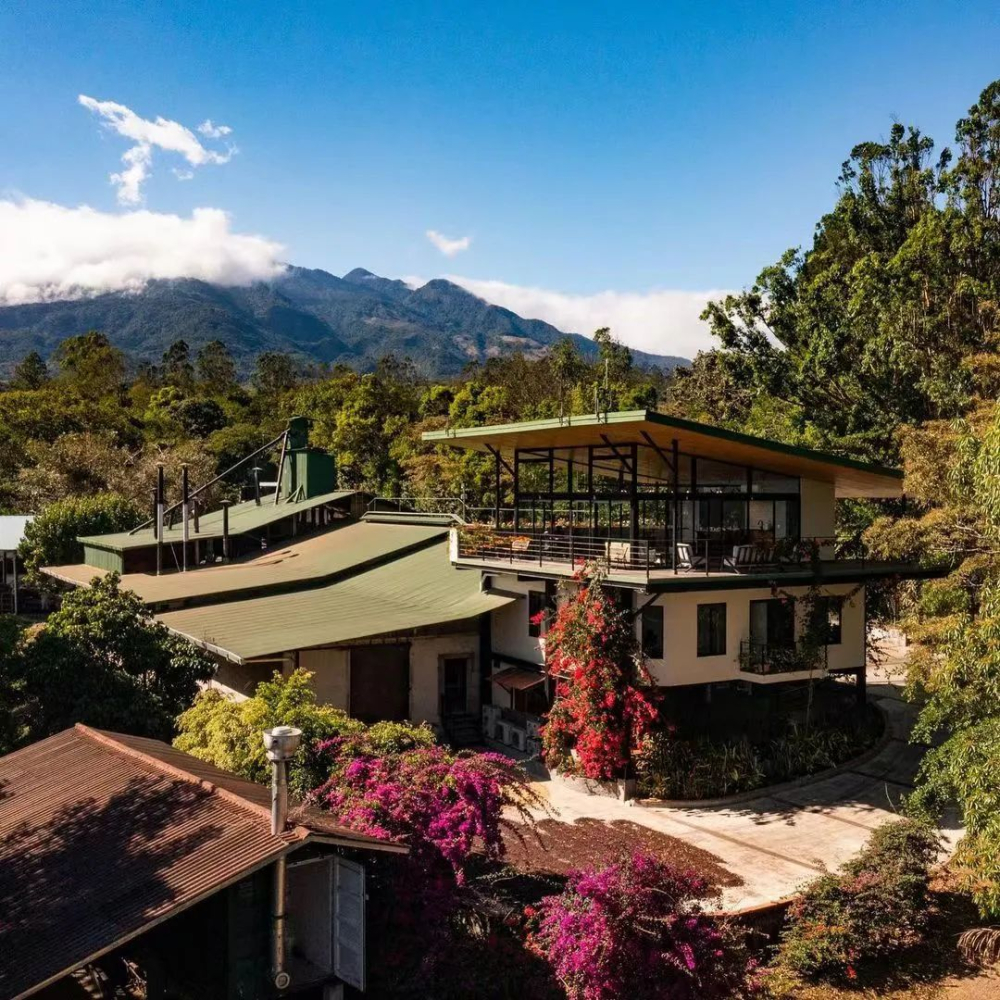
Origin: Boquete Region, Panama (Hacienda La Esmeralda)
Altitude: Approximately 1700 meters
Variety: Geisha
Processing Method: Natural (Sun-dried)
Flavor: Citrus, complex fruits, rose tea, honey
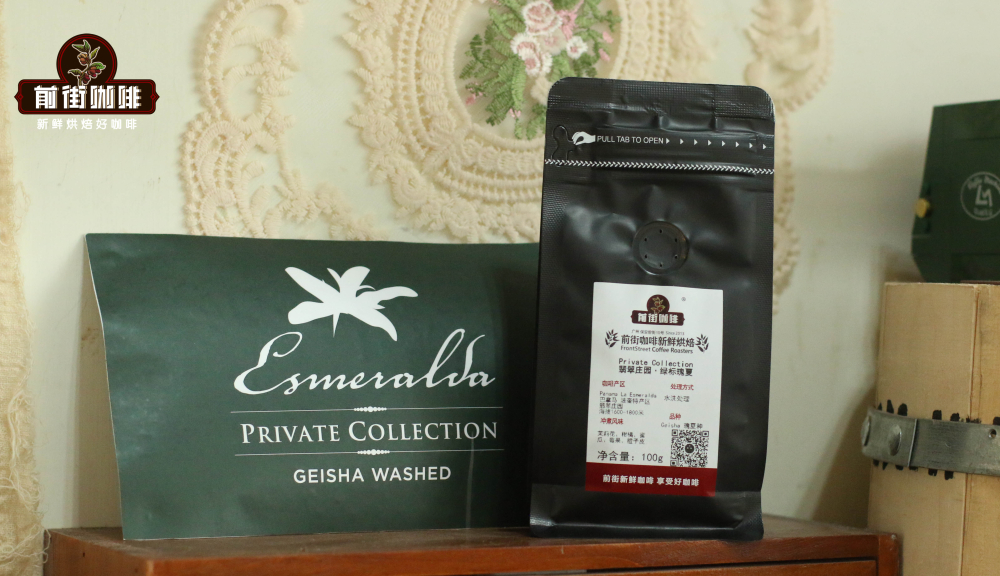
Hacienda La Esmeralda Green Label Geisha: High-Value Blended Option
The Green Label Geisha, commonly known as Private Collection, though not part of the auction lots, is a blend of micro-lots sourced from three different farms at elevations of 1600 to 1800 meters. As specific plots are not indicated, its flavor overlaps somewhat with the Red Label, showcasing the classic floral, fruity, citrus acidity, and full body that Geisha is known for — making it a high-value choice for many coffee lovers. It is also processed naturally and suits those who enjoy the classic characteristics of Geisha.
Origin: Boquete Region, Panama (Hacienda La Esmeralda)
Altitude: Approximately 1700 meters
Variety: Geisha
Processing Method: Natural (Sun-dried)
Flavor: Jasmine, citrus, melon, berries
Hacienda La Esmeralda Blue Label Geisha (Geisha 1500): Affordable Entry-Level Option
The Blue Label Geisha, also called Geisha 1500, is the lowest-altitude (1400–1500 meters) of the three grades and is usually a washed blend. Its flavors are fresher, featuring notes of lemon, oolong tea, brown sugar, and peach. Though not as intense as the Red and Green Labels, it still retains the essential traits of Geisha and is ideal for beginners. Note that the Blue Label was temporarily discontinued between 2019 and 2022, during which time similar products such as ‘Las Rocas’ volcanic Geisha were introduced by brand partners.
Origin: Boquete Region, Panama (Hacienda La Esmeralda)
Altitude: 1400–1500 meters
Variety: Geisha
Processing Method: Washed
Flavor: Lemon, oolong tea, brown sugar, peach
Gesha Village: The Revival of Ethiopian Native Geisha
Gesha Village is located in Ethiopia’s Bench Maji region, founded in 2011 by Adam and Rachel Samuel, inspired by a documentary shoot and insights from coffee experts. They discovered native Geisha varieties in the nearby Gori Gesha forest and built the now-famous Gesha Village on this foundation. The area enjoys a cool climate and rich vegetation, providing an ideal environment for Geisha cultivation.
Gesha Village grows various Geisha varieties, including the Gesha 1931 closest to the Panamanian type, the native Gori Gesha, and Illubabor provided by the Ethiopian Coffee Research Center. These varieties together create a diverse flavor spectrum for Gesha Village.
Gesha Village Grading System and Characteristics of Each Grade
Gesha Village’s grading system differs from that of Hacienda La Esmeralda and mainly includes Auction Lots, Gold Label, Red Label, Green Label, and Chaka Lots, each with unique sourcing and processing methods.
Auction Lots: Top-Tier Rare Geisha
Auction Lots account for only 3.7% of Gesha Village’s annual production. These are top-tier Geisha beans that undergo rigorous selection and are available only through global auctions. Cupping scores range from 88.15 to 92.67, divided into Champion Selection and Estate Selection. These lots often deliver exceptional flavor profiles and are the top choice for professional competitions and collectors.
Gold Label Lots: High Quality and Traceability
Gold Label accounts for about 10% of annual production. Its flavor complexity and quality are only second to the Auction Lots, making it a popular choice among international coffee competition contestants and high-end roasters. For instance, both the Australian and Japanese WBC champions used Gold Label Geisha in the 2018 World Barista Championship. The introduced Omoma 059 batch of Gold Label features excellent cupping scores and a richly layered flavor.
Origin: Bench Maji Region, Ethiopia, Oma Plot
Altitude: 1900–2040 meters
Variety: Gesha 1931
Processing Method: Natural (Sun-dried)
Flavor: Citrus, lemon, tropical fruits, cream, nuts, tea-like
Red Label Lots: A Value-Oriented Choice
Red Label makes up about 15% of total production. It requires a SCA cupping score of 88 or above and offers full traceability. While its flavor intensity is slightly less than that of Gold Label, it still possesses the classic characteristics of Geisha — such as floral notes, fruit acidity, and sweetness — making it a top choice for many coffee enthusiasts.
Origin: Bench Maji Region, Ethiopia
Altitude: 1909–2069 meters
Variety: Gori Gesha
Processing Method: Natural (Sun-dried)
Flavor: Coconut, licorice, cream, chocolate, toffee, citrus, almond, strawberry
Green Label Lots: Single-Terroir (Future Release)
Green Label is a Single-Terroir (single-origin terroir) batch, with each batch number traceable to a specific farm and processing details. More transparent information will be provided in the future to help consumers better understand the local characteristics of Geisha. It is expected to showcase more nuanced differences in plot-specific flavors.
Origin: Bench Maji Region, Ethiopia
Altitude: 1911–2001 meters
Variety: Gori Gesha
Processing Method: Natural (Sun-dried)
Flavor: Citrus, cherry, berries, honey, fermentation notes
Chaka Lots: Diverse Blended Flavors
Chaka is a blended lot introduced by Gesha Village, combining Gori Gesha, Gesha 1931, and the disease-resistant variety Illubabor. It delivers a more balanced flavor profile of citrus, cream, chocolate, and caramel, suitable for consumers who enjoy multi-layered taste experiences.
Origin: Bench Maji Region, Ethiopia
Altitude: 1909–2069 meters
Variety: Gesha 1931, Gori Gesha, Illubabor
Processing Method: Natural (Sun-dried)
Flavor: Citrus, grapefruit, cream, chocolate-caramel
In summary, Panama’s Hacienda La Esmeralda and Ethiopia’s Gesha Village represent two distinct faces of Geisha coffee. The former is famed for its auction-grade Red Label, showcasing intense floral and fruity notes, while the latter offers a comprehensive Geisha experience through its diverse grading system, ranging from top-tier auction lots to affordable entry-level options. Whether you’re new to Geisha or a seasoned coffee connoisseur, you’ll find an option that suits your taste.
The above content is compiled by CoffeeHunters, a coffee news website.


