







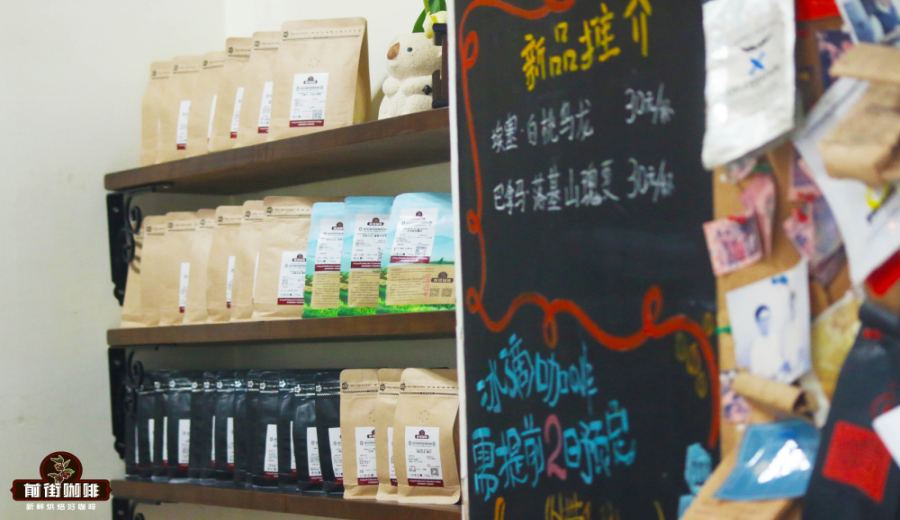
Introduction:Coffee beans from the same region as Yirgacheffe can exhibit vastly different flavor profiles due to differences in processing methods—namely, natural (sun-dried) and washed. This article delves into the principles, historical backgrounds, and actual cupping flavors of these two processing methods, and provides the standard V60 pour-over parameters used in our shop to help you master extraction techniques. You’ll be able to clearly distinguish the bright, acidic freshness of washed coffees from the rich, fruity sweetness of naturals, and find your own preferred flavor profile.
Even within the same region, Yirgacheffe beans can show completely different flavor characteristics simply based on their processing method. The "Guji Dingding Cooperative" listed on our menu is a washed batch, while "Red Cherry" is a natural process lot. These two beans differ significantly in aroma complexity, acidity expression, mouthfeel texture, and aftertaste persistence. This article will comprehensively break down the essential differences between natural and washed Yirgacheffe—from the technical principles of processing, the development of the Red Cherry Project, actual cupping results, to the specific parameters of the V60 three-stage pour-over. We’ll also share our shop’s practical extraction insights, helping coffee enthusiasts more accurately grasp the flavor personalities and brewing techniques of these two classic beans.
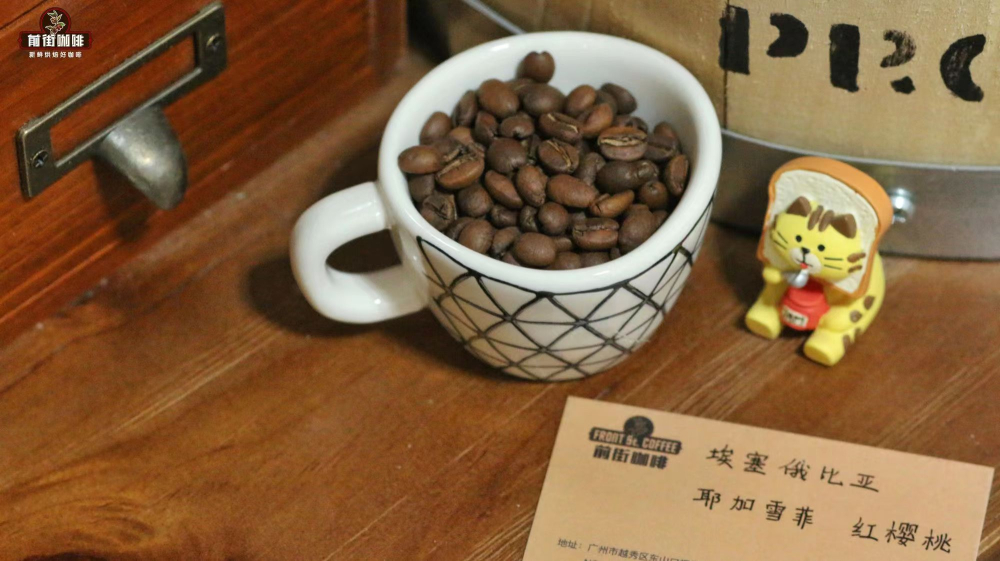
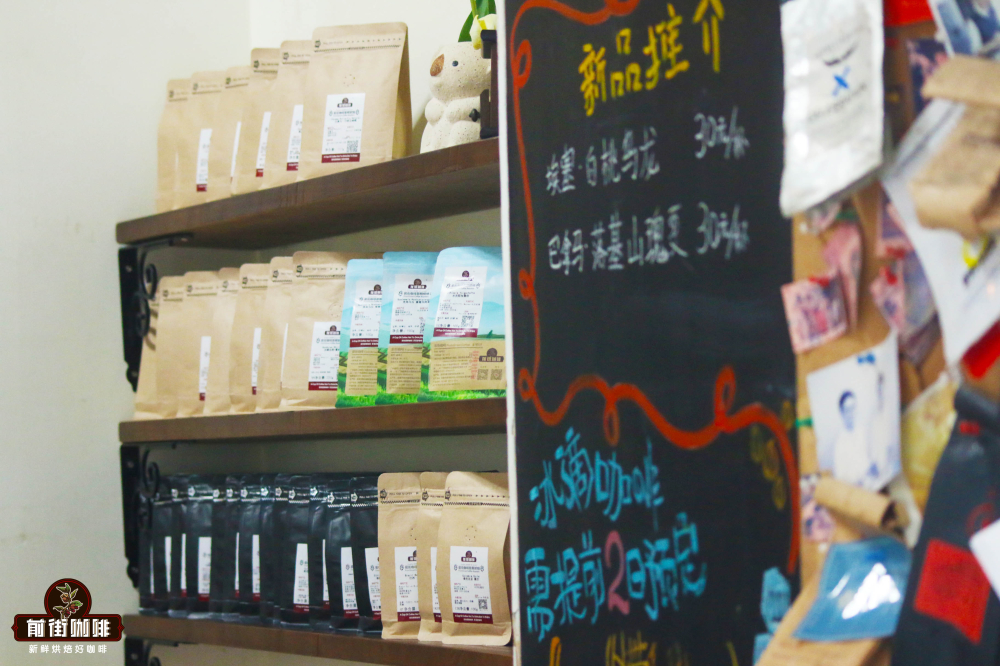 When selecting coffee beans, in addition to paying attention to origin and flavor notes, the processing method is one of the most critical factors influencing the final flavor. Even beans from the same origin can have drastically different personalities depending on whether they’re processed naturally or washed. Take Yirgacheffe from Ethiopia as an example: the "Guji Dingding Cooperative" on our menu is washed, while "Red Cherry" is a natural batch. Below, we’ll compare the actual differences between the two in detail.
・Natural Yirgacheffe: Representative of Rich Fruit Aromas and Fermentation Layers
The so-called natural processing method refers to coffee cherries being harvested and then dried directly with the fruit still intact—without removing the skin or pulp. During the lengthy drying process, the sugars and natural aromatic compounds within the fruit gradually seep into the green beans. At the same time, the longer the drying period, the more thorough the fermentation. Since this entire process occurs naturally within the fruit’s husk with minimal external interference, natural beans often amplify the inherent flavor characteristics of the coffee, presenting distinct tropical fruit notes, rich fermentation sensations, and higher sweetness levels.
Ethiopia, due to its high-altitude terrain, abundant sunlight, and moderate rainfall, is inherently well-suited for natural processing. However, in the past, many farmers would spread the coffee fruits directly on muddy ground or rooftops to dry, causing the fruits to easily absorb earthy off-flavors or undergo over-fermentation due to uneven heating, which severely impacted the final quality.
To improve farmer incomes and the overall quality of coffee, the Dutch trading company Trabocca BV launched the "Red Cherry Project" (OPERATION CHERRY RED PROJECT) in 2007. Focused primarily on high-altitude premium regions like Yirgacheffe, the project introduced professional-grade processing techniques and quality control processes. The initiative carefully selects 100% ripe red coffee cherries, with each batch processed in quantities controlled between 1,500 to 3,000 kilograms. It also provides economic loans, advanced equipment, and technical training, successfully elevating the overall coffee standards of the region and simultaneously increasing both coffee prices and farmer incomes.
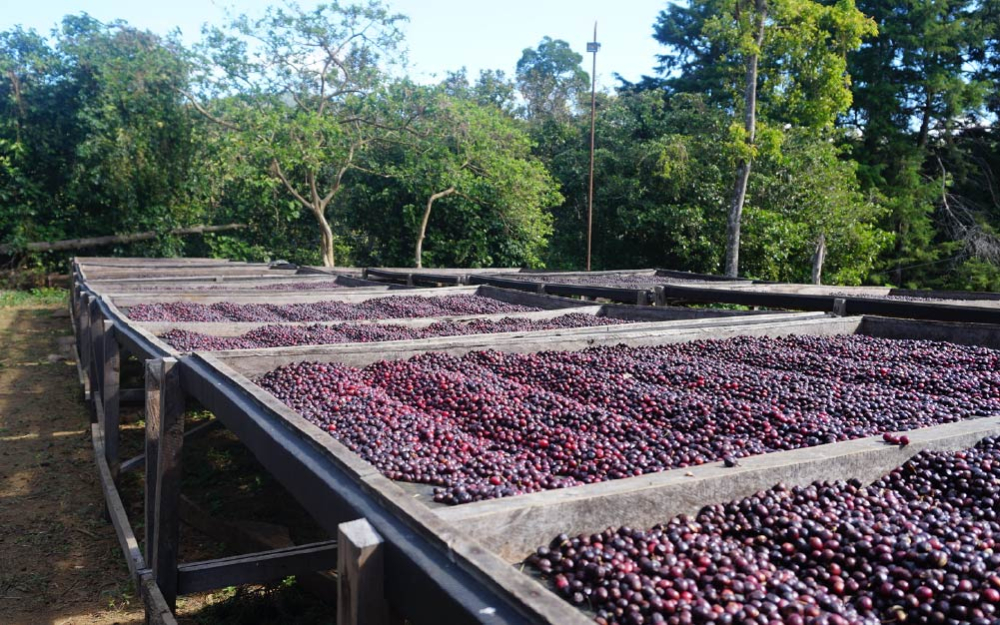
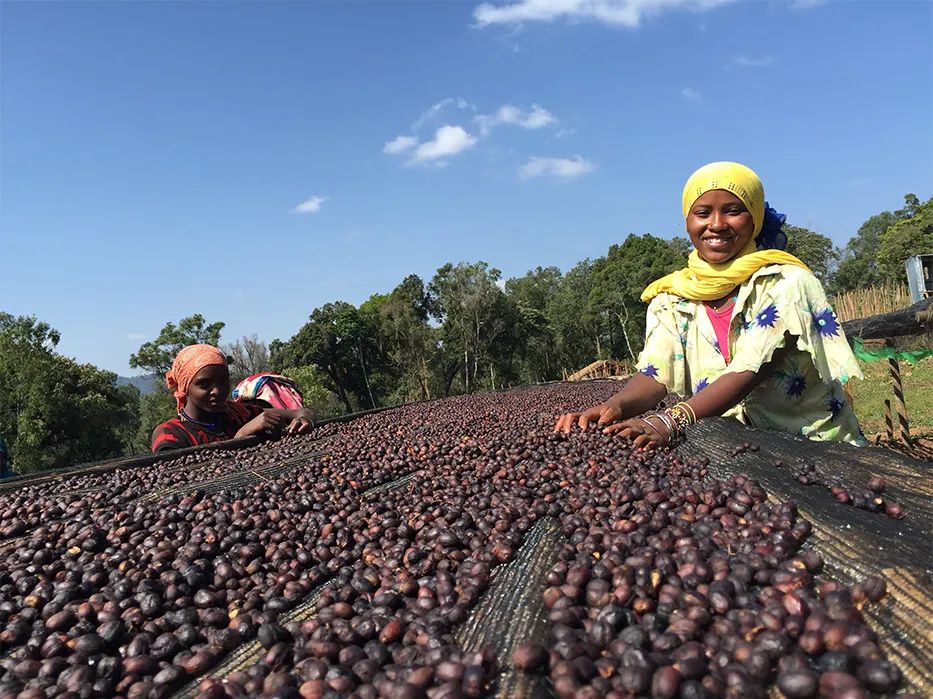
Modern natural processing places even greater emphasis on meticulous management. Freshly picked red coffee cherries are first manually sorted to remove defective, overripe, or insect-damaged beans, ensuring only the highest-quality fruits proceed to the subsequent drying stage. Drying is typically carried out on African-style raised beds or tarps, taking about 27 to 30 days until the fruits turn dark purple and the moisture content drops to 11%. Yirgacheffe processed this way exhibits richer, more intense flavors, often with wine-like fermentation notes and a more pronounced sweetness.
・Washed Yirgacheffe: The Epitome of Clean Acidity and Delicate Floral Notes
Compared to the natural fermentation of the natural process, washed processing is more complex and requires a significant amount of water, making it less common in water-scarce regions of Africa. Ethiopia’s washed coffee technology was first introduced from Central and South America in 1972. Its hallmark lies in the use of multiple steps to remove the fruit flesh and mucilage, allowing the coffee bean’s inherent aromas to be expressed more purely.
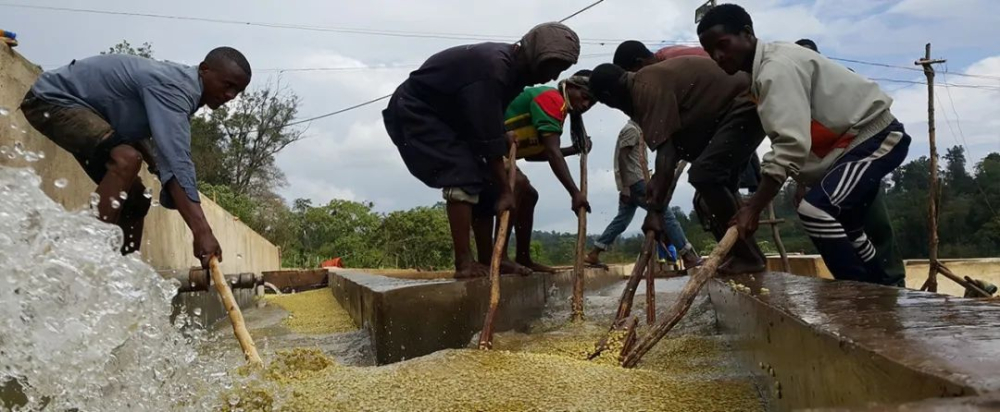
The washed processing steps include: first soaking the coffee cherries in water to separate unripe fruits using buoyancy; then using a pulper to remove the skin and pulp, followed by placing them in a fermentation tank for 18 to 36 hours to allow the mucilage layer to break down naturally. After fermentation, poor-quality beans with low density are washed away with water flow, and finally, the parchment-covered beans are evenly spread on drying racks.
Since washed processing removes the fruit flesh beforehand, the coffee bean’s original aromas can be released more clearly, often presenting bright acidity notes like citrus and lemon, paired with delicate white floral tones. The overall flavor is bright and balanced, forming the foundation that has made Yirgacheffe a global representative of specialty coffee.
Cupping Flavor Comparison: Differences in Acidity, Sweetness, and Aftertaste
In terms of roasting strategy, to highlight the acidic characteristics of Yirgacheffe, medium-light roasts are generally used. Among them, the washed "Guji Dingding Cooperative" is roasted lightly to preserve more of its fresh acidity and floral notes, while the natural "Red Cherry" is medium-light roasted to enhance berry acidity and sweetness along with fermentation layers. Before launching each coffee bean, multiple standardized cuppings are conducted to ensure consistency and objectivity in flavor expression.
Cupping flavor profile of the washed "Guji Dingding Cooperative": The dry aroma carries fresh passionfruit, citrus, and berry acidity; the wet aroma is dominated by citrus and berries. Upon brewing, the acidity is bright, accompanied by berry sweetness, almond notes, and a subtle tea-like feel, with an aftertaste featuring honey-like gentle sweetness. The overall body is light, the acidity lively, and the mouthfeel clean and refreshing.
Cupping flavor profile of the natural "Red Cherry": The dry aroma immediately releases intense berry sweetness and acidity. As the temperature changes, you can perceive soft berry acidity, the fermentation notes of ripe fruit, a distinct honey sweetness, and a smooth black tea-like finish, with a silky and rounded mouthfeel.
Overall, washed Yirgacheffe has sharper acidity, a brighter and more uplifting flavor profile, and aftertastes that often end with honey-like aromatic sweetness. Naturals, on the other hand, showcase a rounder tropical fruit character, a creamy mouthfeel, more pronounced fermentation aromas, and a more outstanding sweetness expression.
Pour-Over Brewing Recommendations: V60 Three-Stage Parameters and Practical Tips
Many coffee enthusiasts often ask about the best brewing method after purchasing beans. In fact, each bag of our shop’s beans comes with basic brewing references. Below, using our shop’s standard as an example and taking the washed "Guji Dingding Cooperative" as the model, we’ll share practical V60 three-stage pour-over parameters and operational details.
Since Yirgacheffe grows at high altitudes, the beans are relatively hard. To fully bring out its floral and fruity aromas and vibrant acidity, it’s recommended to use hot water at 92°C to 93°C for extraction. The grind size is recommended to be medium-fine (approximately 78% passing through a Chinese standard No. 20 sieve). It’s important to note that a grind that’s too coarse can lead to under-extraction and a thin flavor, while one that’s too fine can easily over-extract at high temperatures, resulting in bitterness and off-flavors.
Actual cuppings have found that this bean exhibits varying flavor expressions at different temperatures, so a three-stage pouring method is used to allow different flavor compounds to be gradually released as the coffee bed heats up. To fully showcase the fresh aromas of washed Yirgacheffe, it’s recommended to use a V60 filter cone for brewing.
The V60 filter cone, with its unique conical structure and 60° angle design, causes water to spread from the center outward before dripping down, extending the contact time between water and coffee grounds. This facilitates more thorough extraction of aroma and flavor. Its single large hole design means the flow rate depends on the brewer’s control ability, directly influencing the final flavor presentation. If the pouring speed is too fast or the water volume too large, the flavor compounds may not have fully released, leading to under-extraction and a thin, dull-tasting coffee.
Additionally, the V60 filter cone’s sidewalls feature multiple spiral ridges and unevenly spaced ribs. These not only prevent the filter paper from fully sealing against the cone, ensuring airflow to help the coffee grounds fully absorb water and expand, but also create a richer mouthfeel through water pressure on the coffee bed. They also extend the water flow path, avoiding uneven extraction caused by the large hole design.
In terms of ratio, a 1:15 to 1:16 coffee-to-water ratio is recommended. For a richer taste, opt for 1:15; if you prefer a clearer expression of floral and sweet notes, go with 1:16 to allow the flavors to unfold more gracefully.
Specific parameter recommendations are as follows:
- Filter Cone: V60
- Water Temperature: 92-93°C
- Coffee Dosage: 15g
- Coffee-to-Water Ratio: 1:15
- Grind Size: Fine sugar size (78% passing through a No. 20 sieve)
Three-Stage Pouring Operation:Start by pouring about 30g of water (roughly double the coffee dosage) to evenly bloom the coffee grounds for 30 seconds. Then, using a small stream, pour in a circular motion from the inside out until reaching 125g for the first pour. Once the coffee bed drops to the middle of the cone, continue pouring with the same fine stream until reaching 225g. The total extraction time is about 2 minutes. After all the coffee has dripped through, remove the filter cone, gently swirl the coffee in the server, and start tasting Yirgacheffe’s multi-layered flavors from a high temperature.
Pour-Over Flavor Experience Description:The washed Yirgacheffe’s dry fragrance carries subtle, elegant notes of honey and jasmine. As water is poured, berry and citrus acidity notes gradually emerge. The cup presents a distinctly bright acidity of lemon, citrus, and green tea, which, as the temperature cools, gradually reveals sweet aftertastes of berries, cream, and sugarcane. The overall mouthfeel is clean and bright, with a long-lasting finish—a perfect choice for those new to Yirgacheffe.
The above content is compiled by CoffeeHunters, a coffee news website.


