







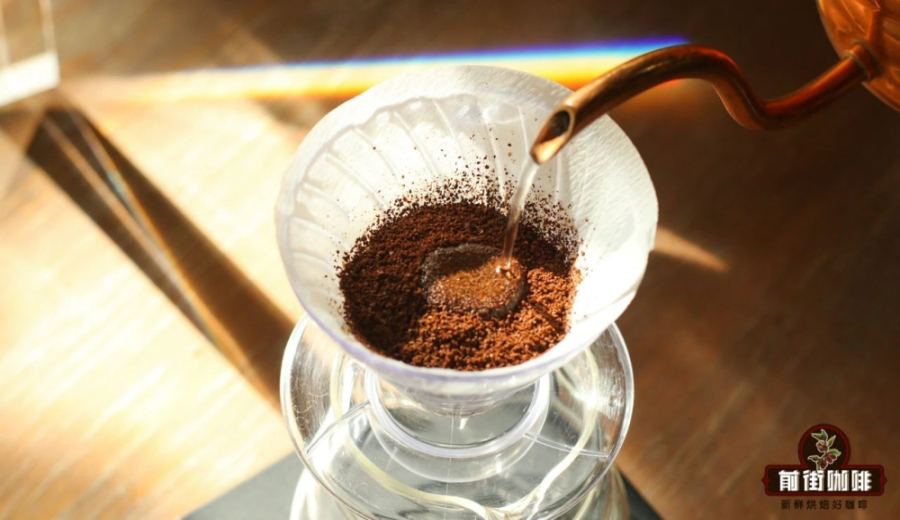
Introduction:The key to good or bad coffee flavor lies in proper extraction. Over-extraction leads to bitterness, astringency, and off-flavors, while under-extraction results in a thin, one-dimensional taste. This article delves into the causes of these two types of extraction imbalance—including common mistakes in water temperature, grind size, time, and brew ratio—and illustrates optimal pour-over parameters for medium-dark and medium-light roasted beans with real-world examples, helping you easily adjust to achieve balanced and vibrant coffee.
Extraction is the process of dissolving desirable flavors from coffee beans into water, and it also determines the final texture and taste of the beverage. However, not all soluble substances contribute to a pleasant flavor experience—both over-extraction and under-extraction can significantly affect a cup’s flavor balance. This article will explore the two major types of extraction imbalance—over-extraction and under-extraction—in depth, analyzing their causes, how to identify them, and how to make the right adjustments based on different roast levels.
Let’s first discuss over-extraction. This refers to the excessive release of soluble compounds from coffee grounds, particularly those large molecules that bring negative sensations, such as excessive astringency sources and undesirable impurities. Over-extracted coffee often has pronounced bitterness, astringency, or even unbalanced off-flavors. Common causes include: too long contact time with hot water, too high water temperature, or coffee grounds that are ground too fine, which prolongs extraction time and ultimately results in a muddy mouthfeel.
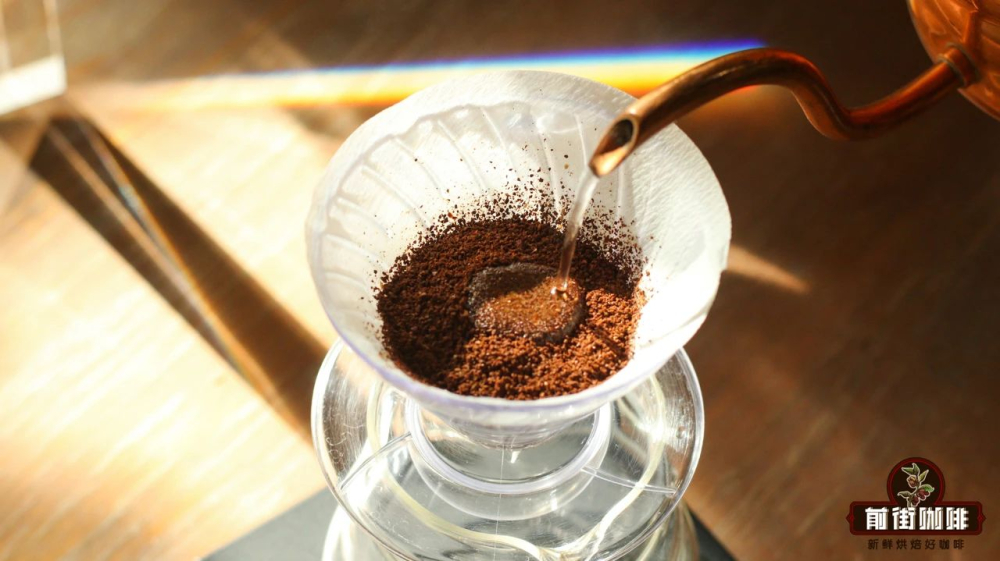
Taking pour-over coffee as an example, if the contact time between coffee grounds and water exceeds the ideal range (usually recommended to be between 2 to 3 minutes), it can easily release larger, less pleasant molecules from the latter stage of brewing, degrading the overall taste. In addition, water temperature is also a key factor. For brewing medium-dark roasted coffees, such as Indonesian Mandheling, Brazilian Queen Estate, or Jamaican Blue Mountain, it is recommended to use86~88°Cwater temperature to avoid extracting too many bitter and astringent components. Finally, if the grind size is too fine, causing poor water flow and extraction times exceeding two minutes, over-extraction can also easily occur. It is recommended to adjust the grind coarser as needed, keeping the extraction time within the ideal range.
On the other hand, under-extraction is another common issue. When the contact time between coffee grounds and hot water is too short, or the grind is too coarse, or the water temperature is too low, it can prevent flavor compounds from being fully dissolved, resulting in a thin-tasting coffee with overly prominent acidity or even noticeable bitterness without complexity. This issue is especially evident in medium-light roasted coffees, such as natural-process Huakui, Green Label Geisha, or Kenyan Little Tomato beans, which typically come from high-altitude regions, have denser bean structure, and require more appropriate conditions to fully express their flavors.
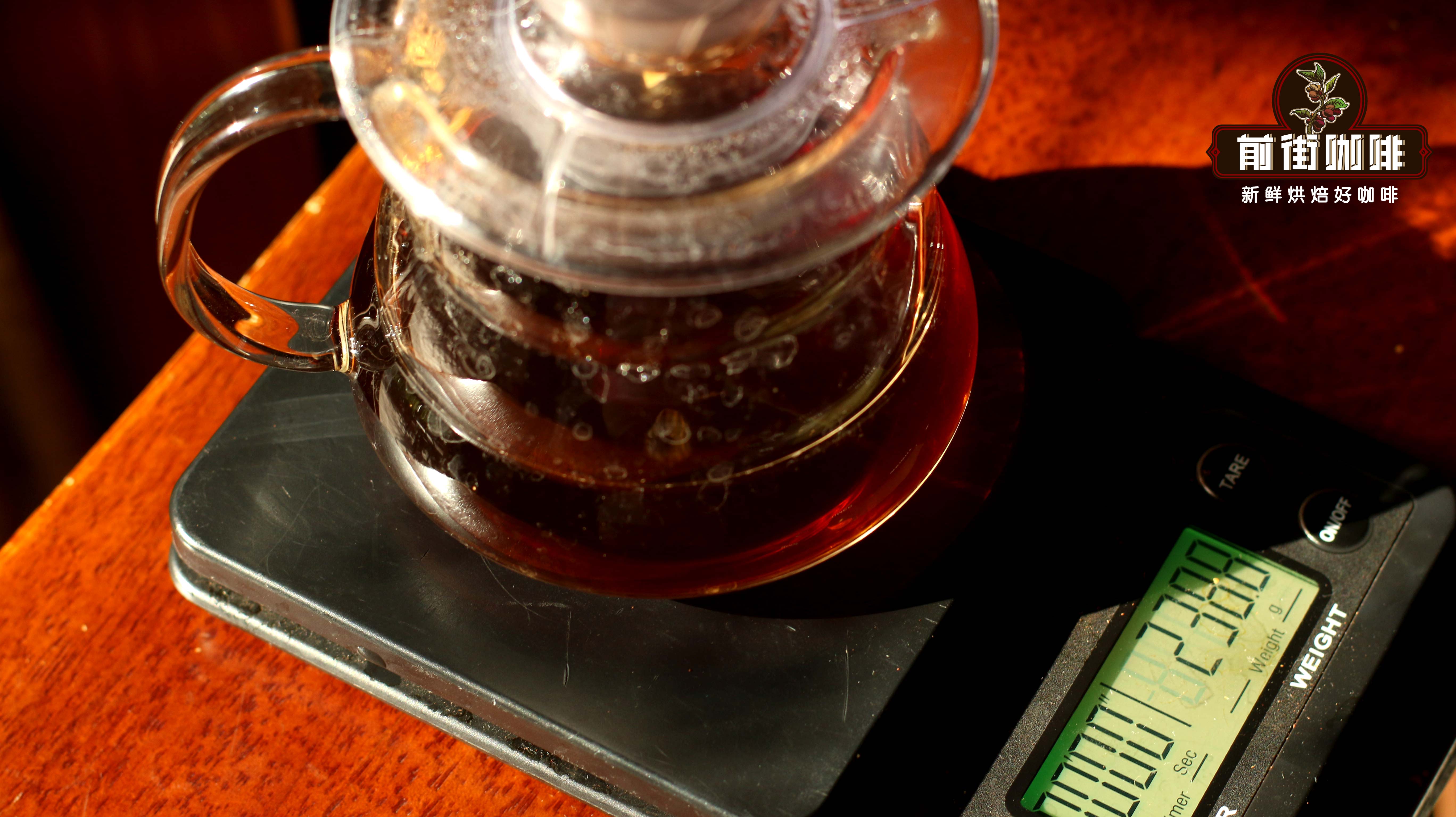
To improve under-extraction, it is recommended to adjust the grind fineness to around the fineness ofgranulated sugar, and use91~93°Chot water for extraction to facilitate the release of flavor compounds. In addition, the brew ratio is also crucial—if the amount of water poured is too much relative to the amount of coffee grounds, it can also lead to insufficient extraction, resulting in a coffee that tastes weak and lacks roundness. Therefore, controlling an appropriate brew ratio (commonly recommended ratios are 1:15 to 1:17) is also an important step in avoiding under-extraction.
In summary, extraction is a technique that requires attention to detail. Both over-extraction and under-extraction can greatly impact the final outcome of your coffee. Understanding the various influencing factors—such as water temperature, grind size, time, and brew ratio—and making fine adjustments according to different roast levels is an essential journey for every coffee enthusiast aiming to improve their brewing skills. Through hands-on practice and observation, you can gradually find your own optimal extraction balance point.
The above content is compiled by CoffeeHunters, a coffee news website.


