







Introduction:Geisha (Geisha) coffee, with its distinctive floral and fruity aromas and bright acidity, has become a legendary variety in the specialty coffee world. This article delves into the origins of Geisha, its evolution from Ethiopia to Panama, analyzes the differences between the red and green labels of Hacienda La Esmeralda, and provides practical pour over tips and parameters to help you fully experience the charm of this top-tier coffee, from beginner to advanced.
In the world of specialty coffee, Geisha is undoubtedly one of the most attention-grabbing star varieties. With its delicate floral notes, rich tropical fruit tones, and soft yet layered acidity, Geisha has captured the hearts of coffee lovers worldwide. This article will take you into the world of Geisha, from its birthplace in Ethiopia to its shining moment in Panama, detailing the differences between the red and green labels of Hacienda La Esmeralda, along with practical pour over suggestions to help you deeply appreciate the unique charm of this premium coffee.
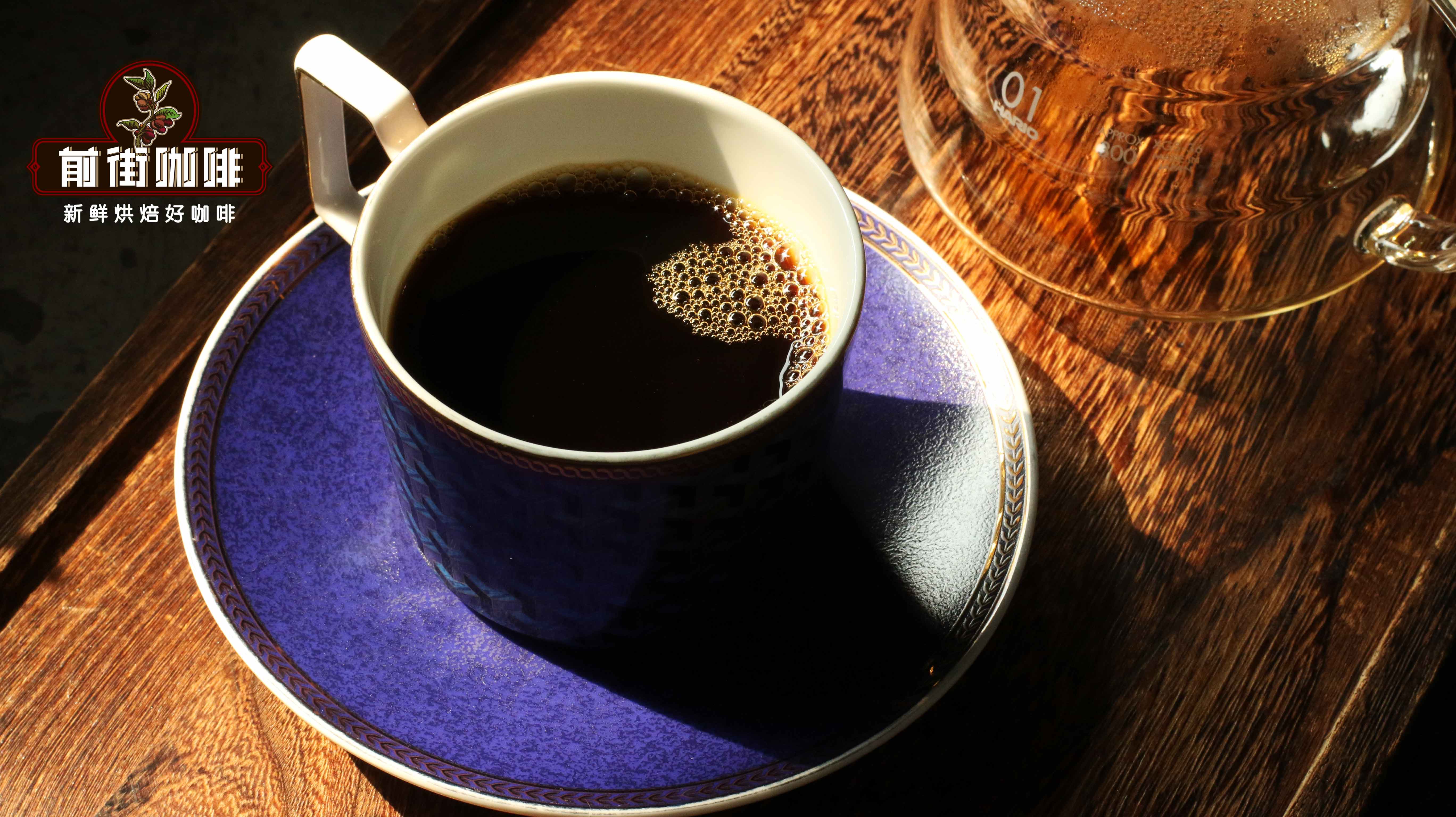
The flavor balance of a cup of coffee hinges on the degree of roasting. In the past, dark roasting was the mainstream, but with the rise of the third wave coffee movement, light and medium roasts have gradually gained prominence, better showcasing the inherent flavor characteristics of the coffee itself. Panamanian Geisha, for example, is a classic representative of light roast coffee. Compared to traditional heavy roasts, light roasting preserves more of the original fruity acidity and floral-fruity aromas, allowing the delicate qualities of Geisha to be fully presented.
The English pronunciation of Geisha is similar to the Japanese word for "geisha," hence it is also nicknamed "geisha coffee." Compared to Blue Mountain, Hawaiian Kona, or Mandheling, Geisha boasts more unrestrained and layered floral and fruity notes, with a distinct and long-lasting sweetness, and a fine acidity that is not sharp. Among coffee professionals and enthusiasts, it enjoys the reputation of the "coffee goddess." Its bright aromas, rich fruitiness, and soft yet vibrant acidity make Geisha a dream brew for many.
The Geisha variety was first discovered in 1931 in the Gesha forest of Ethiopia and later sent to a coffee research institution in Kenya. It was then introduced to Uganda and Tanzania in 1936, Costa Rica in 1953, and not planted in Panama until the 1970s. However, for a long time, Geisha did not receive special attention until 2003, when Hacienda La Esmeralda in Panama singled it out from other varieties and won the Best of Panama (BOP) competition in 2004, after which Geisha began to attract global attention.
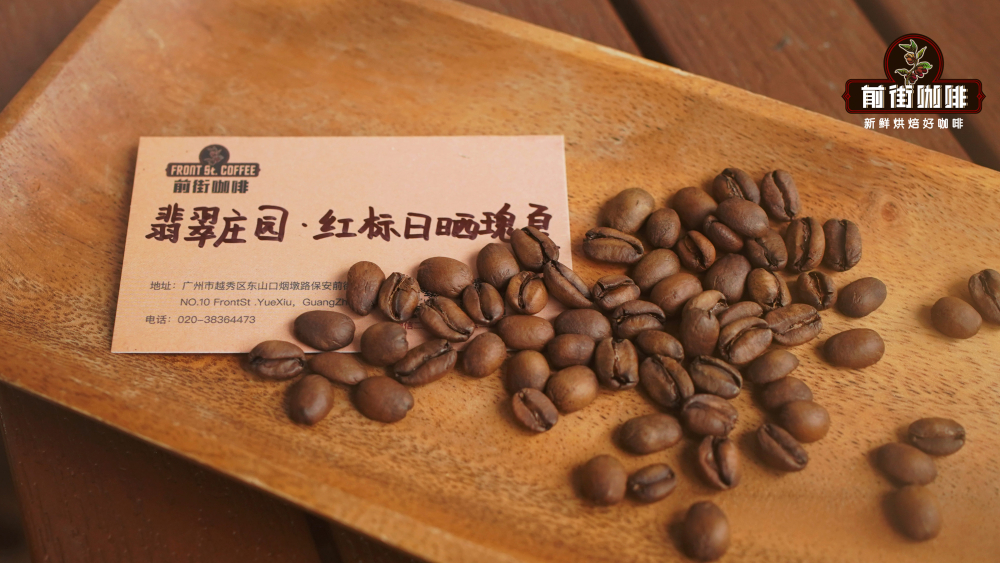
Geisha is extremely particular about its growing environment, preferring high altitudes, cloud-covered conditions, fertile soil, and good drainage. High-altitude cultivation gives Geisha more pronounced floral notes and clear fruit acidity, creating its unique flavor profile. Additionally, large diurnal temperature variations, no threat of frost, and nearby volcanic activity providing mineral-rich soil are all key factors in producing high-quality Geisha.
Although Geisha is now grown in multiple countries, high-altitude regions remain the most ideal for achieving its optimal flavor expression. Suitable climate and soil conditions are essential for cultivating top-tier Geisha with complex aromas, bright acidity, and sweet aftertastes.
Panama is the key location that made Geisha famous. Before 2004, Geisha was just one of many varieties at Hacienda La Esmeralda and was not specifically cultivated separately. It wasn’t until the estate discovered its exceptionally outstanding flavors, decided to process it separately, and entered it into competitions, that it won the championship at the 2004 BOP competition, skyrocketing its fame. As a result, many coffee enthusiasts believe that Panamanian-grown Geisha best represents its classic flavors, and those from Hacienda La Esmeralda are the pinnacle.

Currently, the Geisha products from Hacienda La Esmeralda are mainly divided into two grades: red label and green label. The red label, also known as the "Special Selection ESMERALDA SPECIAL," typically includes auction lots, grown at altitudes above 1700 meters, with cupping scores of 91 or higher, and traceable to specific plots. This Geisha not only stands out in flavor but is also often considered an excellent gift choice for specialty coffee enthusiasts.
The green label is categorized as "Private Collection," consisting of high-altitude Geisha from mixed harvests, also with cupping scores above 90. Its flavors are equally excellent, but the price is relatively more affordable, making it suitable for coffee enthusiasts who want to experience top-tier Geisha within a limited budget.
If you’re new to Geisha, it’s recommended to start with washed Geisha from the Boquete region of Panama. This bean, from the same region as renowned large estates, uses the washed processing method and medium-light roasting, showcasing clear floral, honeydew melon, green tea, and citrus notes. Its price is relatively approachable, making it perfect for beginners to experience the unique charm of Geisha.
To fully highlight the floral notes and acidity of Geisha, this coffee brand uses light roasting and adjusts the roasting curve based on different processing methods and flavor profiles. Light roasting preserves more of the delicate aromatic molecules, allowing you to experience a richer layering during brewing.
So, how do you brew Geisha to bring out its best flavors? Since most Geisha is lightly roasted, it’s recommended to use a medium-fine grind size and extract with relatively high water temperature to effectively release its aromas and balanced acidity and sweetness. This brand typically uses a V60 filter cone for brewing, with about 15 grams of coffee grounds, a 1:15 coffee-to-water ratio, and approximately 91°C spring water. The coffee grounds are roughly the size of fine sugar, tested with a Chinese No. 20 sieve, with an 80% pass rate, which is considered medium-fine.
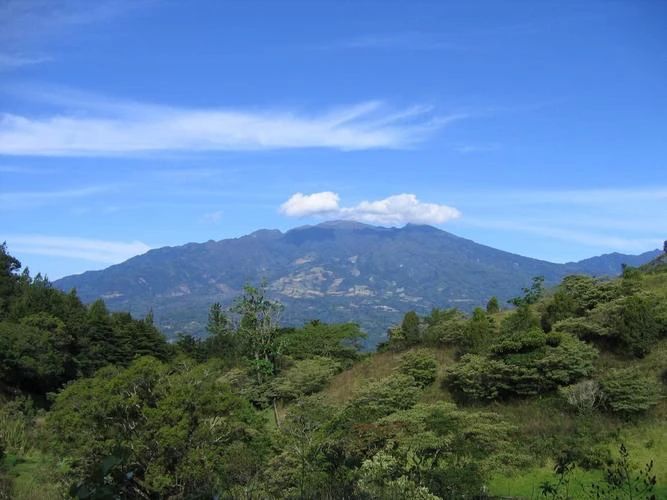
A three-stage pouring method is recommended: after starting the timer, pour 30 grams of water for a 30-second bloom; then pour in a circular motion for the second stage up to 125 grams, wait until the water level drops by half, and then continue pouring up to 225 grams. The total extraction time is controlled between 2 minutes 10 seconds and 2 minutes 20 seconds, which can fully showcase the delicate aromas and balanced acidity and sweetness of Geisha, delivering a clean and bright drinking experience.
The above content is compiled by CoffeeHunters, a coffee news website.


