







Introduction:Jamaica Blue Mountain, Panamanian Geisha, and Indonesian Kopi Luwak are globally recognized as the three premier representatives of top-tier coffee. Each boasts unique flavor profiles, and their significant market price differences stem from variations in growing environments, cultivation methods, and processing techniques. This article delves into geography, variety characteristics, and processing workflows to analyze the true reasons behind their high prices, while also guiding you through the flavor profiles of each coffee to help you make smarter choices based on taste preferences.
In the world of specialty coffee, Jamaica Blue Mountain, Panamanian Geisha, and Indonesian Kopi Luwak are undoubtedly the three most frequently mentioned legendary beans. They not only each possess distinct flavor personalities but also command premium prices in the market due to their rarity and complex production backgrounds. But what exactly makes these three coffees so expensive? And what makes their flavors unique? In the following sections, we will dissect them from the perspectives of origin conditions, variety evolution, and processing technology to help you deeply understand their charm and value.
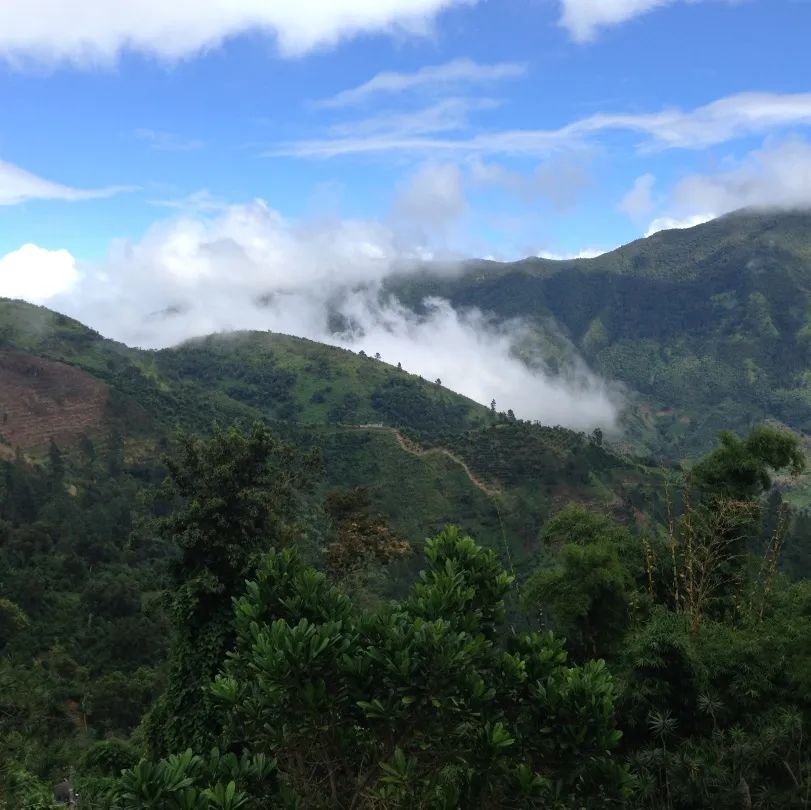
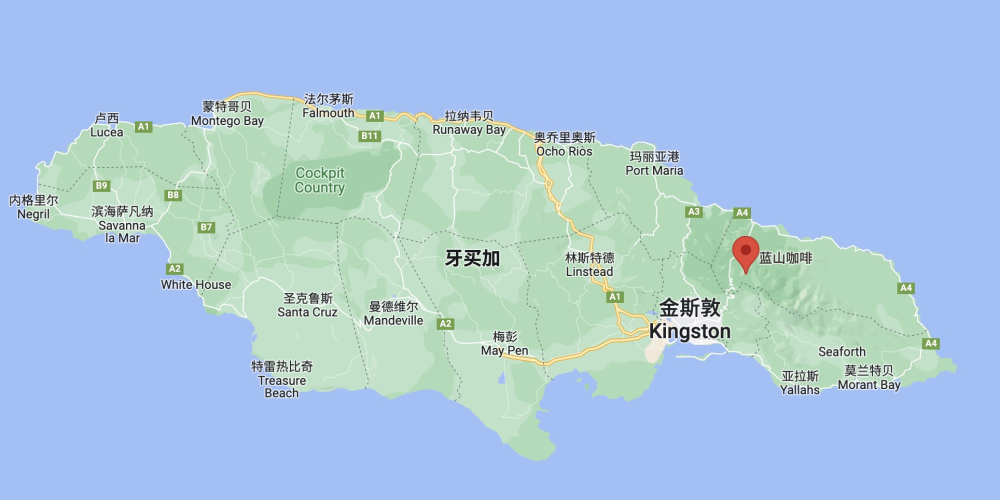
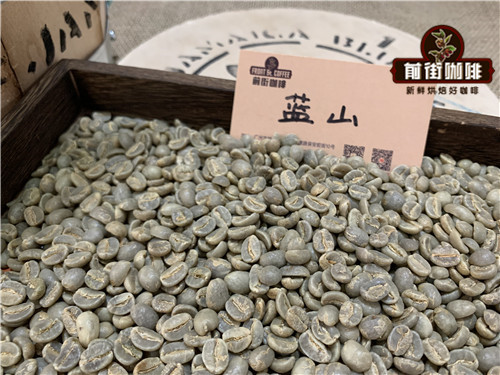
Let’s start with Jamaica Blue Mountain coffee. This bean, hailed as the “King of Coffee,” is grown on the slopes of the Blue Mountains in Jamaica at elevations between 910 and 1700 meters. Since altitudes above 1700 meters fall within nature reserves, the planting area for Blue Mountain coffee is strictly limited. The region enjoys a cool, foggy climate with abundant annual rainfall and fertile volcanic soil. Combined with terrace farming and natural shading systems (such as banana and avocado trees), these conditions create an ideal environment for the Typica variety.
Jamaica Blue Mountain coffee is renowned for its balanced flavor, featuring gentle acidity, pronounced sweetness, and a clean, pure taste. A medium-to-dark roasted cup of Blue Mountain coffee delivers a rich foundation reminiscent of dark cocoa, paired with lively fruit acidity, and a long-lasting sweet aftertaste. However, its steep terrain, reliance on manual harvesting, high local labor costs, and challenges with mechanization all contribute to its consistently limited production. Moreover, historical Japanese control over the majority of import quotas has further restricted global supply, driving prices even higher.
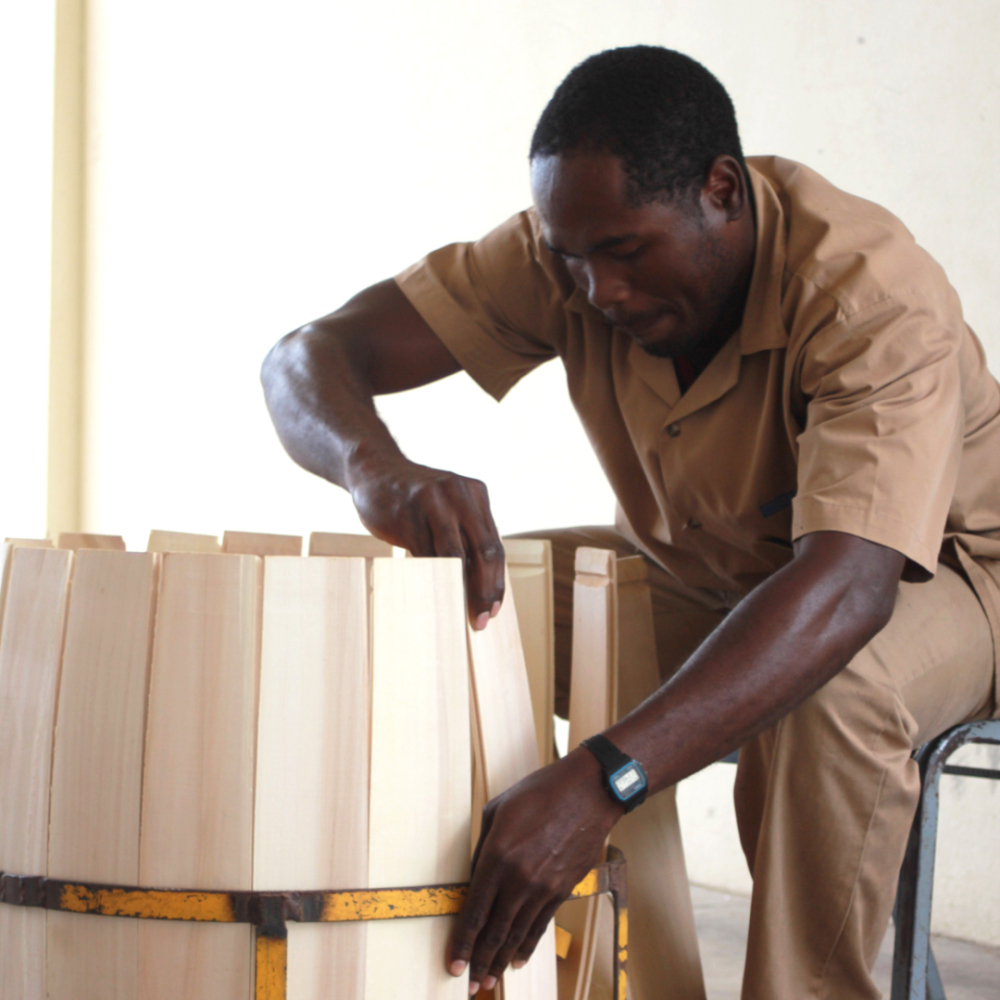
Every step of Blue Mountain coffee production—from harvesting and washed processing, to fermentation, sun drying, and hulling/roasting—is subject to strict quality control. Uniquely, instead of using jute bags like most coffees, it is transported in wooden barrels weighing 15 kg, 30 kg, and 70 kg to ensure flavor stability during transit. Additionally, each batch of Blue Mountain coffee must pass rigorous certification by the Jamaica Coffee Industry Board and undergo professional cupping, roasting, and extraction testing to meet export standards. Although the current market price of Blue Mountain No. 1 has been adjusted compared to the past, it remains in the high-price range, making it suitable for enthusiasts seeking ultimate flavor and coffee culture.
Next is the Panamanian Geisha, which has garnered significant attention in recent years. Geisha (or Gesha) is actually an ancient variety originating from Ethiopia. It was first introduced to Kenya and Tanzania from the Gesha Mountains in southern Ethiopia in 1931, later spreading to Costa Rica and Uganda, until it was brought to Panama by the Don Pachi Estate in the 1960s. Initially, due to its low yield and tall plants that were difficult to harvest, Geisha was used as a windbreak. It wasn’t until 2004, when Panama’s Hacienda La Esmeralda won the Best of Panama (BOP) competition with the Geisha variety, that this bean skyrocketed to fame.
Geisha thrives in high-altitude environments with cloud cover, shade, and fertile soil—all of which are found in Boquete, Panama. Influenced by the central mountain range, the region is often shrouded in clouds, experiences significant day-night temperature variations, and features mineral-rich volcanic soil. These conditions allow Geisha to express extremely delicate floral aromas, citrus-like acidity, and tea-like sweetness. In fact, although Geisha is also grown in countries like Ethiopia, Colombia, Costa Rica, and even Yunnan in China, environmental differences mean most other regions struggle to match the flavor profile of Panamanian Geisha.
For roasting, Geisha is typically medium-light roasted to preserve its abundant floral and fruity aromas as well as bright acidity. If you’re looking to try single-origin, high-quality Geisha, consider the Emerald Red Label series, which, though pricier, offers a rich layering of flavors. Meanwhile, the Emerald Green Label provides a more accessible price point while still showcasing the classic traits of Geisha, making it perfect for beginners or everyday enjoyment.
Finally, let’s discuss the controversial Indonesian Kopi Luwak, also known as civet coffee. This coffee commands a high price mainly because its beans are consumed by civet cats (also called palm civets) and then expelled through their digestive system. Civet cats typically inhabit lowland jungles in Southeast Asia and feed on fruits, including coffee cherries. However, they only digest the fruit pulp, leaving the beans intact as they pass through their bodies.
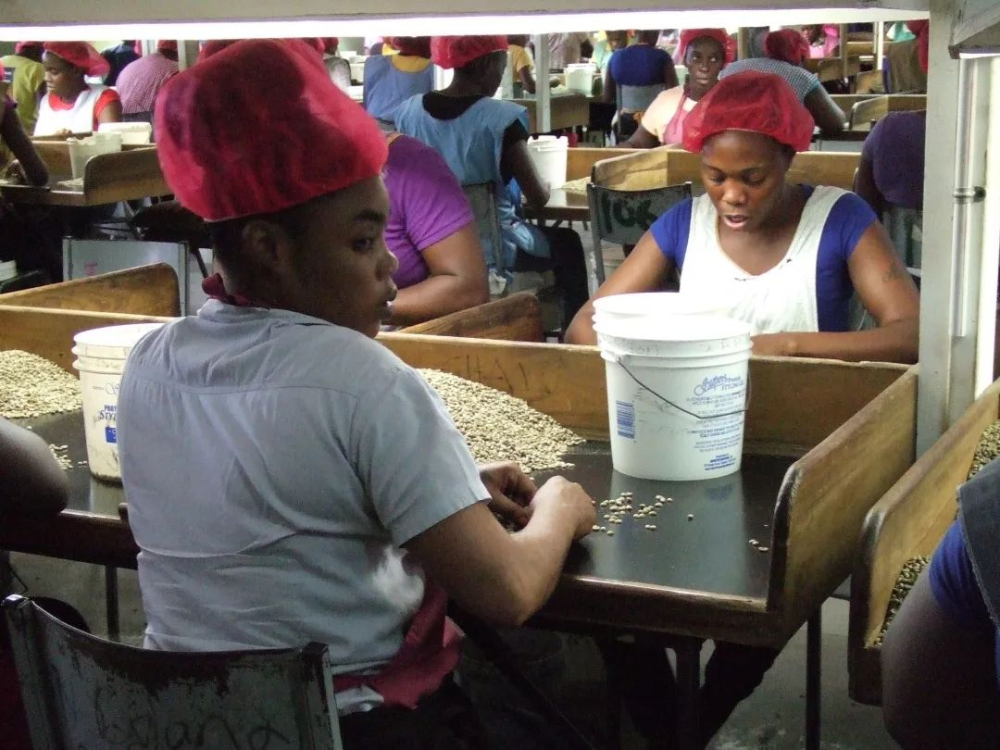
Traditionally, these beans are collected from the feces of wild civet cats, then cleaned, dried, and roasted. Due to their scarcity, unique processing method, and commercial hype, Kopi Luwak has become one of the most expensive coffees in the world. However, since most civet cats live in mid-to-low altitudes, the beans they consume are mostly Robusta varieties, often resulting in flavors with strong earthy and herbal notes, which differ significantly from the typical characteristics of specialty coffee.
In recent years, driven by commercial interests, there have been numerous reports of civet cats being caged and force-fed coffee cherries, sparking animal welfare concerns. While some claim that the fermentation process in the civet’s gut can alter the protein structure of the beans and enhance flavor, in reality, the short digestion time makes such biochemical reactions nearly impossible. Some producers have also attempted to replicate this process using microbial fermentation technology, aiming to recreate similar flavors without harming animals.
In summary, Jamaica Blue Mountain, Panamanian Geisha, and Indonesian Kopi Luwak each represent different coffee cultures and consumer values. Blue Mountain is known for its bold richness and challenging cultivation; Geisha captivates with its floral aromas and refined acidity; and Kopi Luwak stands out as an extreme case in the market due to its unique processing and scarcity. If you’re seeking a high-quality pour over coffee experience, feel free to choose a bean that matches your flavor preference—whether you’re after delicate balance or distinctive character, there are plenty of friendly and outstanding options to explore.
The above content is compiled by CoffeeHunters, a coffee news website.


