








Introduction:Should you just throw away coffee beans that have been sitting at home for too long and are no longer fresh or have expired? In fact, as long as you know how to properly assess them, these “old beans” can still be quite useful. This article explores changes in flavor and food safety to help you determine when coffee beans are no longer suitable for drinking, and also offers a variety of alternative reuse methods — including using them as pour over practice beans, cleaning copperware and stovetops, exfoliating skin, and eliminating odors from ashtrays, ovens, and pet areas — so that every coffee bean can fulfill its maximum potential.
Once you buy too many coffee beans or delay using them for some reason, it’s easy for them to pass their peak freshness period or even exceed the recommended shelf life. Many people’s first instinct is to throw them away, but this not only wastes them but also overlooks the other uses expired coffee beans can still serve. This article will discuss how to judge whether these beans are still drinkable from two aspects — changes in coffee flavor and food hygiene safety — and will further share a variety of practical reuse methods.

You often hear people say, “If you really love coffee, how could you let the beans go stale?” But in reality, due to discount promotions or unexpected situations (such as getting sick), many people have faced the issue of not being able to finish their coffee beans at home in time. So, can these beans that have been stored for a while still be enjoyed?
Modern coffee enthusiasts pursue freshness mainly because freshly roasted coffee beans contain abundant carbon dioxide, which helps bring out more vivid aromas and complex layers of flavor. Over time, the carbon dioxide in the beans gradually dissipates, and so do the aroma and flavor. Especially when the carbon dioxide is almost completely gone, the coffee’s performance becomes noticeably dull, unable to showcase its original flavor characteristics.
Generally speaking, about 60 days after the roast date, coffee beans enter what is called the “limit of optimal enjoyment.” Some coffee lovers with higher flavor standards even consider beans over 30 days old to be “stale.” Based on industry experience, as long as coffee beans are well-sealed during storage and kept in a dark, dry environment, most beans can still maintain decent flavor within forty to fifty days after roasting, without showing overly obvious signs of deterioration. However, if the bag is not resealed promptly after opening, off-flavors may begin to appear after around 30 days — for example, the coffee may not easily expand during blooming, which is a sign that the beans are starting to lose their freshness.
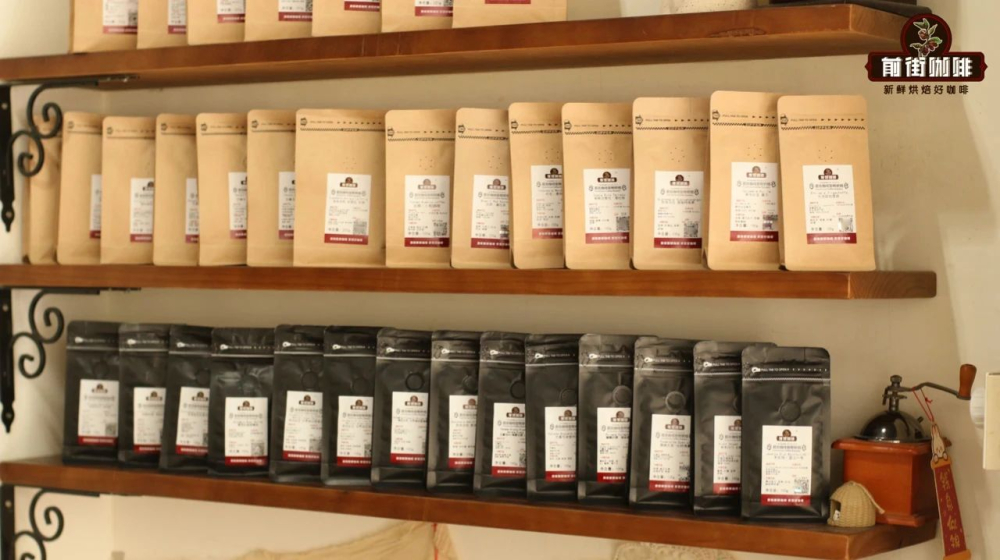
It’s worth emphasizing that although stale coffee beans may significantly underperform in terms of flavor, from a food safety perspective, they are still drinkable. Generally, roasted coffee beans can be stored for up to a year, so there are no major concerns regarding edibility safety.
If the coffee beans at home have already expired, you might as well use them for practice purposes — such as practicing pour over techniques, trying siphon brewing, or experimenting with espresso extraction parameters. This can not only help you get familiar with the essentials of different brewing methods, but also improve your coffee-making skills without feeling bad about wasting good beans.
In addition, expired coffee beans can also deliver surprising results in household cleaning. Once ground into powder, they can be used to polish the surface of copperware, helping restore its shine; wrapping coffee grounds in gauze and gently wiping stove tops or pot lids can effectively remove stubborn stains; additionally, using boiled coffee liquid to clean sinks or toilet pipes also has decent descaling and deodorizing effects.
Beyond cleaning, coffee grounds can also be used for skincare. Mixing ground expired coffee beans with hand soap, olive oil, or common shower gel, and then using the mixture to massage hands or body skin, can help remove dead skin cells and promote skin renewal through gentle friction, achieving a softening and exfoliating effect.
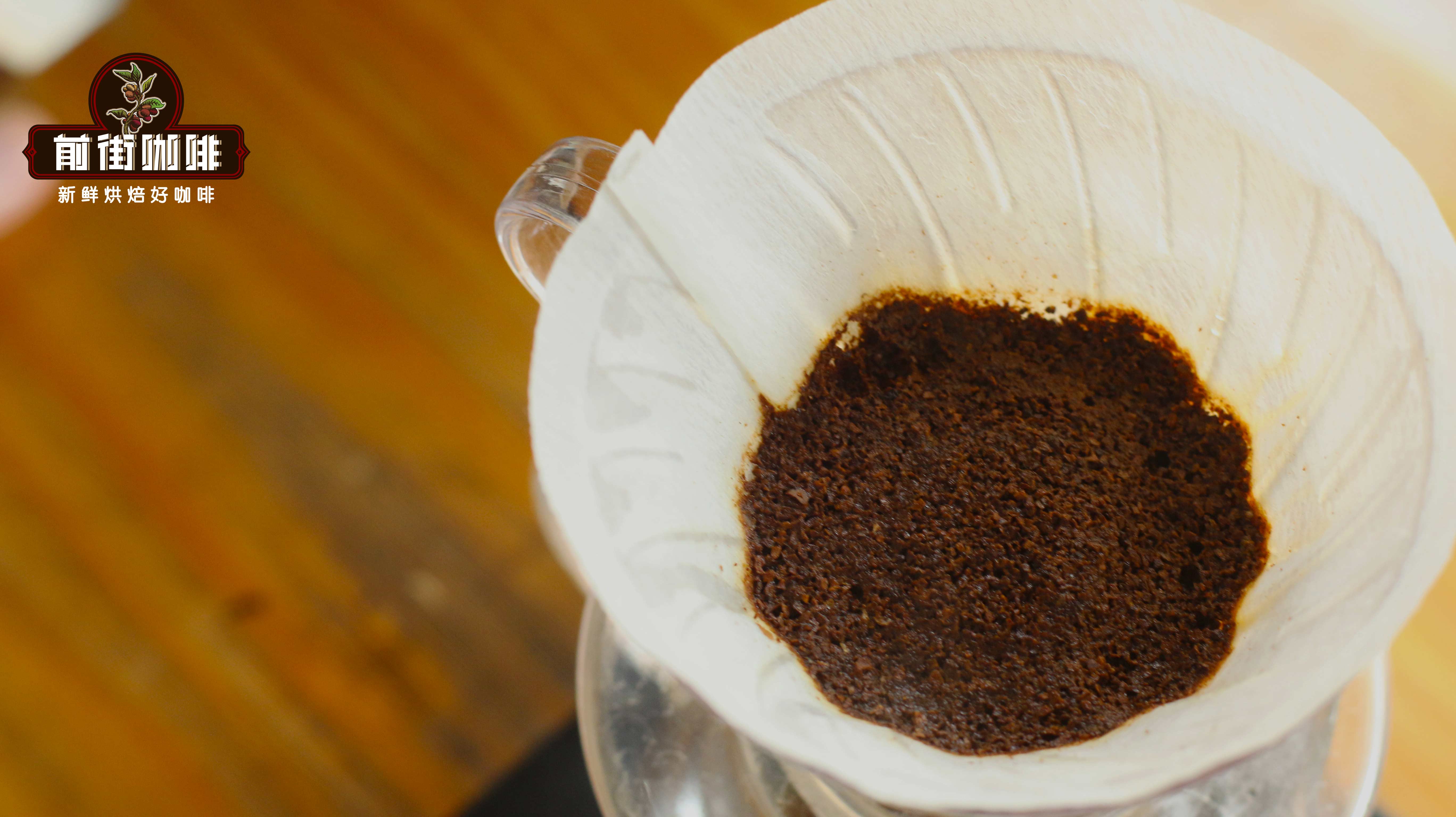
As for odor elimination, expired coffee grounds are an excellent household helper. Placing coffee grounds in an ashtray can effectively absorb smoke odors and even impart a faint coffee aroma when the cigarette is extinguished — many coffee shops use this method to help create a comfortable environment. If your home frequently uses an oven for baking, which can lead to the buildup of grease and odors, placing a tray of coffee grounds in the oven and heating it can significantly remove lingering food smells. For households with pets, sprinkling some coffee grounds after cleaning up pet waste can also effectively reduce odors and keep the living environment fresher.
The above content is compiled by CoffeeHunters, a coffee news website.


