







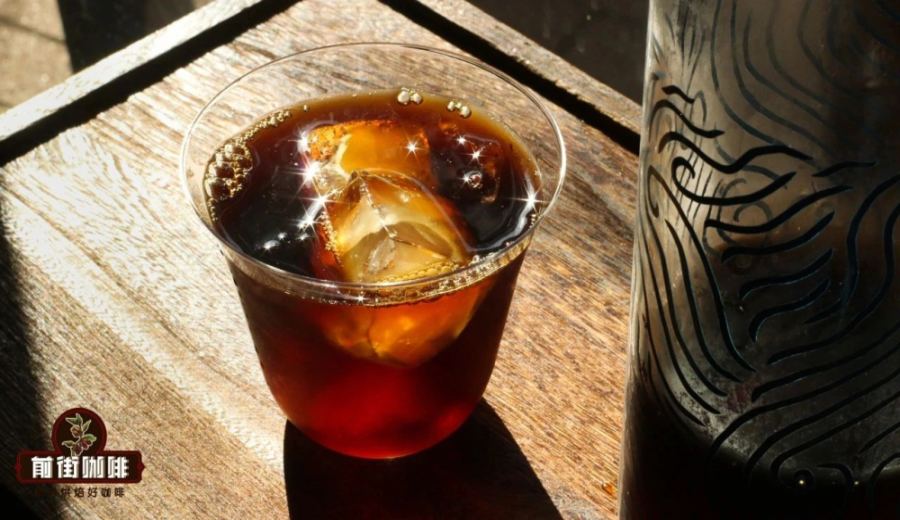
Introduction:Want to make a smooth and balanced cold brew coffee at home? Using Jamaican Blue Mountain No.1 as an example, this article delves into the key parameters of cold brew preparation—including grind size, coffee-to-water ratio, and steeping time—to help you master the essentials of low-temperature extraction, avoid common mistakes, and craft a top-tier iced coffee experience that balances acidity, sweetness, and body.
Cold brew coffee, through its low-temperature slow extraction process, presents a flavor profile distinctly different from hot-brewed coffee. This beverage involves steeping coffee grounds in cold or icy water for an extended period, not only reducing bitterness but also highlighting the delicate layers of sugars and organic acids, resulting in a balanced and smooth taste. This article will use Jamaican Blue Mountain No.1 as an example to comprehensively break down the techniques for making cold brew coffee—from selecting coffee beans and determining grind size and coffee-to-water ratio, to identifying the optimal steeping time—providing a step-by-step guide so you can easily replicate professional-grade cold brew flavors at home.
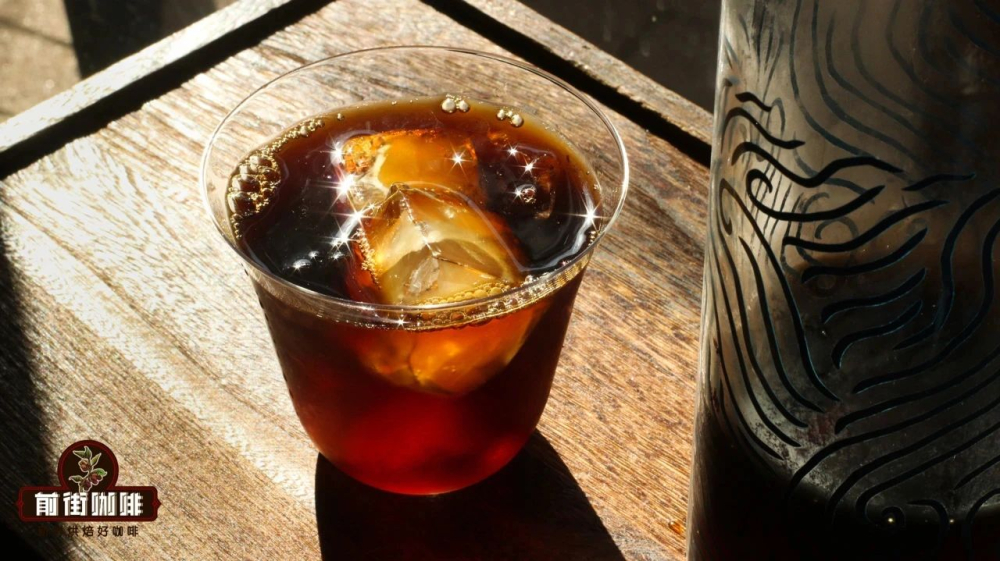
Cold brew coffee is mainly divided into two major types: Cold Brew (浸泡式冷萃) and Cold Drip (滴濾式冰滴). The former involves steeping coffee grounds in cold or icy water, allowing the flavors to naturally infuse; the latter uses a dripping apparatus where water slowly drips through layers of coffee grounds to complete extraction. Many coffee enthusiasts often ask: “Can hot water be used for cold brew?” The answer is no. The very definition of cold brew lies in the use of low-temperature water throughout the entire process, typically between 4 to 10°C. This helps avoid over-extracting bitter substances and achieves an ideal balance between sweetness and acidity.
In a low-temperature environment, the extraction rate significantly slows down, making it less likely to release high-molecular compounds that cause bitterness and astringency, while instead facilitating the stable dissolution of sugars and organic acids. As a result, cold brew coffee often exhibits a softer acidity, natural sweetness, and smooth body, with an overall flavor that is more rounded and layered.
If you want to successfully make a satisfying cup of cold brew coffee at home, the following practical details must not be overlooked.
First is the selection of coffee beans. It is recommended to prioritize medium to light roasted beans, as this roast level not only has a higher margin for error but also highlights the fruity acidity and floral notes of cold brew. Although various processing methods and roast styles on the market can be tried, using single-origin beans primarily intended for pour over as the base tends to yield better results. Dark roasted coffee, while capable of delivering intense aromas and a rich body when hot brewed, tends to release excessive burnt and carbonized flavors under cold brew conditions, which can mask the delicate characteristics of the coffee itself.
If you prefer a refreshing, juice-like taste, light roasted washed coffee is the top choice—for example, beans with bright fruitiness and vibrant acidity. For those seeking more pronounced fruitiness and wine-like notes, anaerobic or honey-processed beans are better options. As for drinkers who do not enjoy prominent acidity, medium roasted beans with a good balance can be selected to showcase a stable and mellow “coffee flavor” profile.

This time, we take the被誉为 “King of Coffee” Jamaican Blue Mountain No.1 as an example to explore its unique flavor profile after cold brewing. The reason Blue Mountain coffee is the dream choice of coffee lovers worldwide lies in its uniquely advantageous growing environment. Located in the eastern part of Jamaica, the Blue Mountains are not only situated in a volcanic zone with fertile, mineral-rich soil, but also benefit from high altitude and a cool, rainy climate, creating microclimatic conditions that are difficult to replicate in other regions. The large diurnal temperature variation here helps coffee cherries slowly accumulate nutrients, yielding beans that are aromatic, sweet, and well-balanced. In addition, the steep mountain terrain makes harvesting difficult, relying solely on skilled female workers to handpick ripe cherries to ensure the quality of each bean. Coupled with the region’s long-standing commitment to cultivating pure Arabica varieties—especially the disease-resistant Typica variety—the coffee has evolved to exhibit exceptional stability within the closed and unique island environment.
Blue Mountain No.1 is medium-dark roasted, which not only preserves the original fruit acidity and aroma of the beans but also brings out the rich texture of dark chocolate, the gentle sweetness of caramel, and the nuanced layers of acidity, achieving an overall balanced and deep expression—making it an excellent choice for cold brew.
When discussing the key parameters of cold brew, the first thing to clarify is grind size. Since the cold brew process takes place entirely in a low-temperature environment, cold water has a lower extraction efficiency for coffee grounds compared to pour over, so the precision required for grind size is relatively more lenient than for pour over. It is generally recommended to set the grind size to be similar to that of fine sugar, approximately 75–80% passing through a Chinese No. 20 sieve, or equivalent to 9.5–10 on an EK43s grinder. If using a hand grinder like the C40, it should be around 22–26 clicks. This range effectively balances extraction rate and flavor release, avoiding issues of over-extraction or under-extraction.
As for steeping time, because the temperature during cold brew is relatively low, the extraction speed is noticeably slower, so a longer duration is needed to ensure sufficient release of aromas and flavor compounds. The recommended steeping time is 8 to 18 hours, with performance particularly excellent between 10 to 16 hours. Experiments have shown that cold brew steeped for just 6 hours often results in weak flavors and insufficient aroma, while samples steeped for 24 hours tend to develop noticeable over-extracted bitterness. Therefore, mastering the appropriate time range is one of the keys to making a delicious cup of cold brew.
Another element that cannot be overlooked is the coffee-to-water ratio. A common mistake among beginners is mixing coffee grounds and water without measuring, leading to unstable extraction results. To ensure balanced flavor and proper concentration, it is recommended to control the coffee-to-water ratio within the range of 1:10 to 1:13. If the final coffee liquid is too concentrated, adding ice cubes in moderation can help adjust. This ratio range effectively extracts the essence of the coffee while avoiding being overly intense or weak and tasteless.
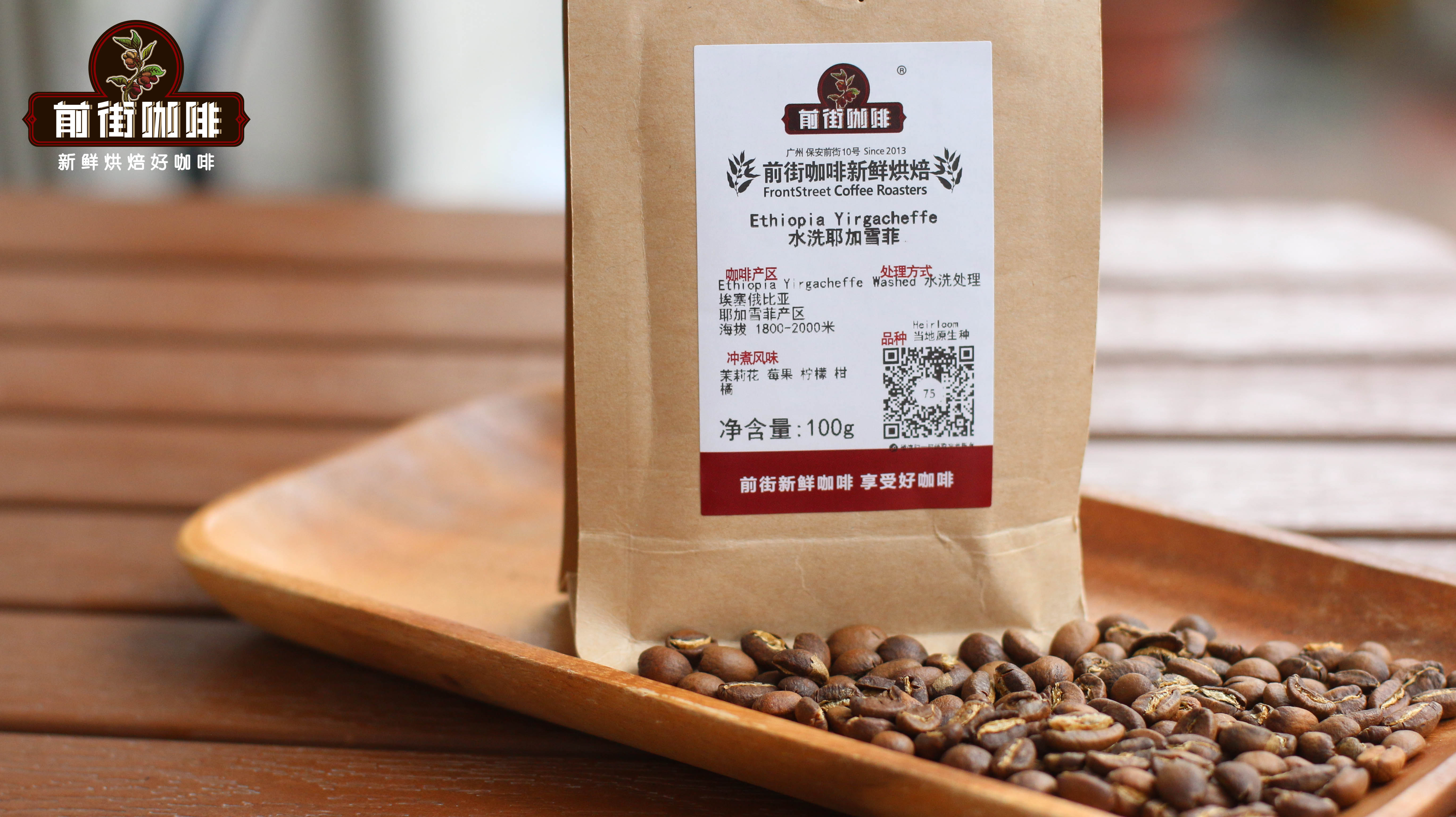
For actual preparation, simply use a clean, sealable container and base it on medium-light roasted coffee beans. For example, take 40 grams of coffee grounds, grind them to the fineness of fine sugar (approximately 85% passing through a No. 20 sieve), place them in the container, then pour in 480 milliliters of cold water. Stir gently to mix evenly and seal the lid. It is recommended to cover the surface with plastic wrap to prevent impurities from falling in during refrigeration, then place the whole setup in the refrigerator for at least 12 hours. After the time is up, remove and filter out the coffee grounds to enjoy a clear and smooth cold brew coffee. For an even enhanced flavor, you can let the filtered coffee liquid sit in the refrigerator for an additional 4 hours, which will make the flavor even more rounded.
Whether it’s cold brew or cold drip, since both are extracted in a low-temperature environment, it is recommended to consume the finished product within five days to ensure optimal flavor and drinking safety.
The above content is compiled by CoffeeHunters, a coffee news website.


