







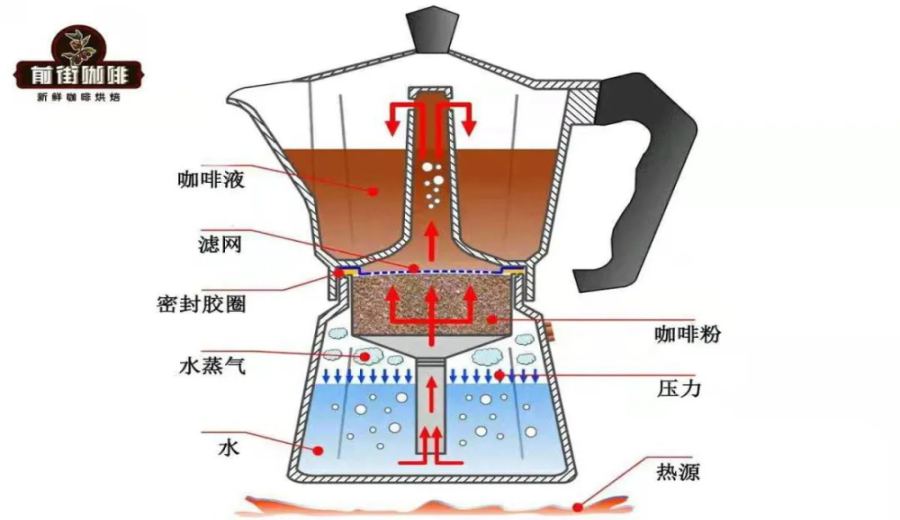
Introduction:The moka pot is a classic tool for many home coffee enthusiasts to brew espresso-style coffee. By using steam pressure generated from heating, it pushes hot water through a bed of coffee grounds to extract a rich and bold coffee liquid. However, to consistently achieve an ideal flavor, every step—from grind size and coffee packing technique to heat control—affects the final taste. This article delves into the working principles of the moka pot, provides detailed operating steps and practical tips, and recommends suitable medium-to-dark roasted coffee beans to help you brew espresso-flavored coffee with rich crema and pronounced aroma at home.
The moka pot is a classic Italian coffee brewing device that uses heat-generated pressure to push hot water upward through coffee grounds, thereby extracting a concentrated coffee liquid. Although this brewing method is not as precise as that of a professional espresso machine, mastering the correct technique can still produce coffee with intense flavor and visible crema. To successfully use a moka pot, the key lies in understanding its operational logic and paying attention to every detail, from grind size and coffee filling method to heating power.
The basic structure of a moka pot consists of a lower chamber, a filter basket, and an upper chamber. To use it, first add an appropriate amount of water to the lower chamber, fill the filter basket with finely ground coffee, then assemble the upper and lower chambers and place the pot on a heat source. As the water in the lower chamber heats up, internal pressure increases, and the hot water is pushed upward through the pressure, passing through the coffee grounds to extract flavor compounds, which then flow out through the spout of the upper chamber. During this process,the pressure is approximately 1 to 2 bar, slightly lower than that of a professional espresso machine, but still sufficient to deliver a rich taste.
Regarding the grind size of the coffee, since the moka pot relies on steam pressure to quickly pass through the coffee bed,it is recommended to use an extremely fine grind, close to the grind size used for espresso, but be careful not to grind too finely, which could clog the holes in the filter basket. When filling the basket, fill it to the brim with coffee grounds, then gently level the surface with your finger, followed by moderate tamping to make the coffee layer denser. This helps ensure even extraction and prevents channeling.
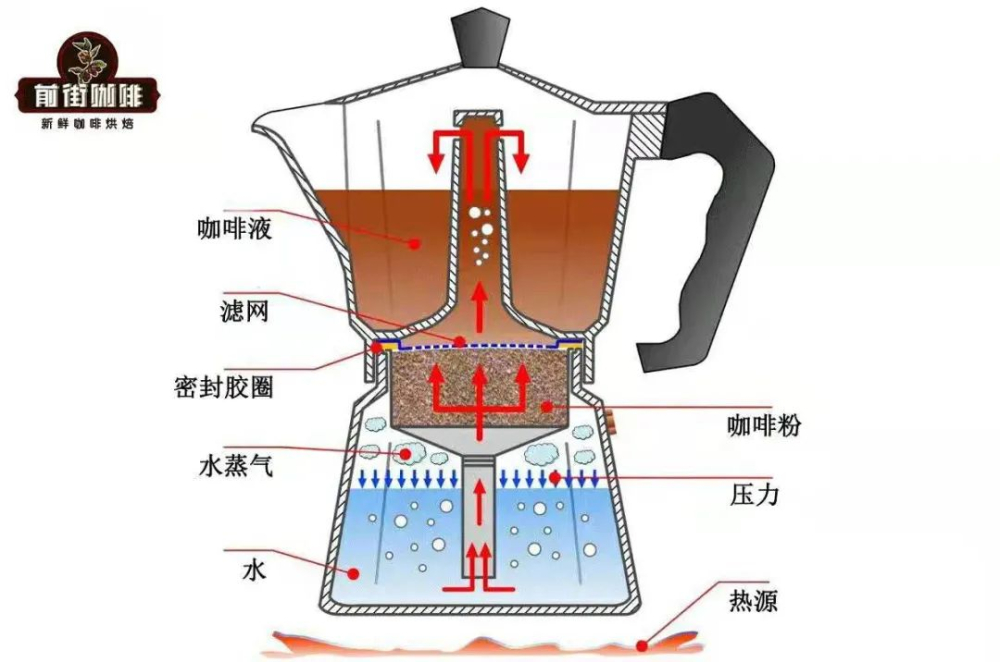
When using a moka pot, there are several practical tips and precautions that can effectively improve extraction quality. First, if possible, it is recommended to use pre-boiled water in the lower chamber. This reduces the time the coffee grounds are exposed to high temperatures, preventing over-extraction and the resulting burnt or bitter taste. In addition, before heating, make sure the water level in the lower chamberdoes not exceed the safety valve position, as the safety valve is designed to release excessive pressure. If it is blocked by water, it may cause abnormal pressure increase, posing a safety risk.
In terms of heat source, if using an open flame, it is recommended to keep the fire at low to medium and avoid direct contact between the flame and the body of the pot—just focus the heat on the bottom of the lower chamber. Excessive heat can not only overheat the coffee liquid but also create a burnt or bitter taste, and may even affect the lifespan of the pot. If you have a gas stove at home, it is recommended to use low to medium steady heat and observe the flow rate of the coffee liquid. Once the liquid starts to drip, the extraction is usually complete within about 20 to 30 seconds.
To brew coffee with balanced flavor and golden crema, selecting the right coffee beans is crucial. Medium-to-dark roasted beans can generally better withstand the high-pressure extraction of a moka pot, showcasing rich notes of caramel, nuts, and chocolate. Light roast beans, although bright in acidity, can easily become overly sharp under high concentration and pressure, making them unsuitable for this brewing method.
Medium-to-dark roasted beans suitable for the moka pot typically feature the following flavor characteristics: a noticeable caramel sweetness upon entry, a medium-bodied development of nutty and cocoa richness, and a finish that may carry subtle smoky or spicy notes. Additionally, freshly roasted coffee beans retain more volatile aromatic compounds, so it is recommended to choose beans roasted within 7 to 21 days for optimal flavor expression.
The above content is compiled by CoffeeHunters, a coffee news website.


