







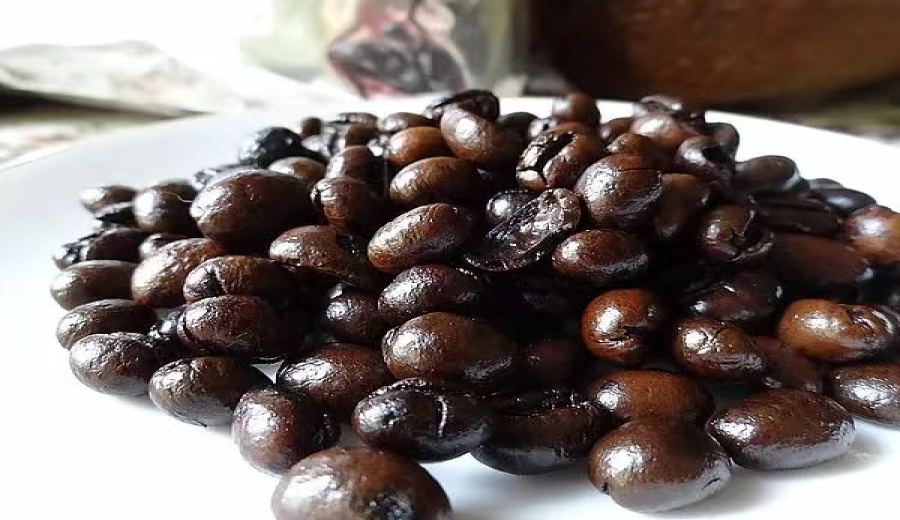
Introduction:Civet coffee is renowned for its exorbitant price and unique production process, yet it often sparks curiosity about its true flavor profile. This article delves into the formation principles and main producing regions of one of the world’s most expensive coffees, while also providing a detailed comparison between wild and farm-raised varieties. You’ll gain insight into how civet coffee from different sources performs in terms of aroma, mouthfeel, and complexity, helping you better understand the charm and selection criteria of this special coffee.
Civet coffee is one of the most expensive coffee varieties in the world. Despite its unrefined name, its unique production process and legendary flavor have attracted countless coffee enthusiasts eager to learn more. So, what kind of flavor characteristics does this premium coffee bean possess? And what are the notable differences between wild and farm-raised products? This article will explore its formation principles, main origins, and flavor profiles, while also analyzing the distinctions between the two production methods, giving you a comprehensive understanding of the taste and quality key points of civet coffee.
So-called civet coffee is actually made from coffee beans that have been eaten by civet cats, fermented naturally in their digestive tract, and then excreted. This unique processing method first became popular in regions such as Indonesia, Vietnam, and Malaysia. Civet cats are omnivorous animals, and their stomachs cannot fully digest coffee beans. However, as the beans pass through the digestive tract, they undergo a natural fermentation process that results in distinctive aromas and flavors. It is said that the highest-grade wild civet coffee, when brewed, offers a thick and smooth mouthfeel with almost no bitterness, instead showcasing pronounced fruity aromas and a subtle minty aftertaste, with a rich and impressive flavor complexity.
However, not all civet coffee can deliver such high-level flavor. In fact, depending on the production method, civet coffee can be divided into two main types: wild and farm-raised, both of which show significant differences in flavor expression, consistency, and price.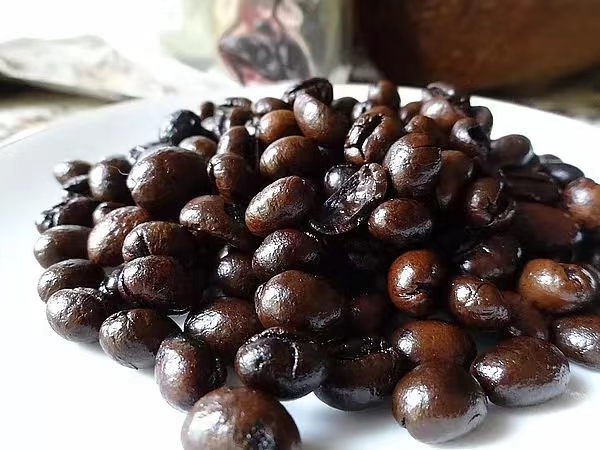
Wild civet coffee is considered the most traditional and authentic variety. These coffee beans come from civet cats foraging for coffee cherries in the wild and then excreting them in the forest. Local collectors usually enter the mountains before dawn to “collect droppings,” cleaning the gathered beans and proceeding with subsequent drying processes. Since it relies entirely on the natural environment and the civet cats’ own choices, the yield of wild civet coffee is extremely low, which is why its price remains so high.
Wild civet cats are omnivores, and coffee cherries make up only a part of their daily diet. As a result, their gut microbiota is relatively diverse. Additionally, they tend to select coffee cherries that are riper and of higher quality, which often leads to wild civet coffee having richer aromas and more complex flavors. However, because it’s impossible to control which coffee varieties the civet cats consume—sometimes they may eat beans with excellent flavor, other times not—the flavor consistency of wild civet coffee can vary significantly between batches.
In contrast, farm-raised civet coffee is produced by keeping civet cats in captivity and having their caretakers feed them specific varieties of coffee cherries. This method ensures a stable supply, making its price considerably more affordable than the wild variety. However, civet cats in farm environments often have overly simplistic diets, sometimes being fed only coffee cherries to boost output. This not only affects the health and digestive function of the civet cats but may also reduce the final flavor quality of the coffee beans.
In terms of flavor performance, wild civet coffee is often described as rich and thick, offering a deep yet smooth fruit acidity upon tasting, followed by gradually emerging notes of hazelnut, almond, and vanilla. From hot to cold brewing, the flavor layers shift noticeably, with an overall performance that is delicate and full of variation. Farm-raised products, while still capable of delivering certain sweetness and body in aroma, tend to be more one-dimensional, lacking the rich layering of the wild type, and may occasionally carry slight off-flavors or an overly artificial tone.
In summary, if you’re seeking the most original and complex coffee experience, wild civet coffee is undoubtedly the more appealing choice. But if you’d like to experience the uniqueness of this special coffee within a more budget-friendly range, the farm-raised version is also a worthwhile option. No matter which you choose, understanding the production methods and flavor characteristics behind each can help you make a more suitable selection and fully appreciate this globally unique coffee flavor.
The above content is compiled by CoffeeHunters, a coffee news website.


