







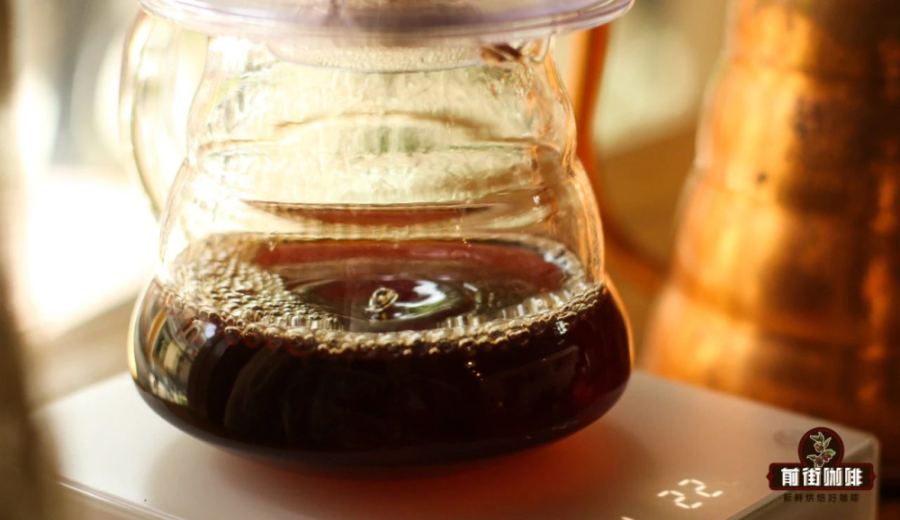
Introduction:Although both pour over and Americano are types of black coffee, they differ significantly in brewing methods, flavor profiles, and drinking experiences. This article explores the principles behind the preparation of these two types of coffee, delving into their flavor layers, brewing parameters, suitable scenarios, and recommending specialty coffee beans that suit each. This will help you make a more suitable coffee choice based on your personal preferences and schedule.
Even though both are black coffee, pour over and Americano showcase distinctly different personalities. Pour over uses a drip filtration method, where precise adjustments to grind size, water temperature, and pouring technique can delicately present the coffee’s acidity, sweetness, and the flavor layers brought by temperature changes. In contrast, Americano is made by diluting espresso with hot water, relying on high-pressure extraction at around 9 bar to achieve a quick brew, resulting in a bolder and clearer flavor. Taking well-known shops as examples, pour over often selects beans such as PWN Golden Mandheling or Ethiopia Sidamo Natural Huila 5.0, while Americano commonly uses an espresso blend like Sunflower Warm Sun, which combines Ethiopian Yirgacheffe Natural with Honduran Sherry, typically diluted at a 1:6 ratio. Pour over usually takes 3 to 5 minutes to prepare, making it ideal for leisurely enjoyment, whereas Americano can be made in just 1 to 2 minutes, making it more suitable for when you’re in a hurry. Next, we’ll analyze the differences between the two in detail to help you easily choose your favorite drink at a café.
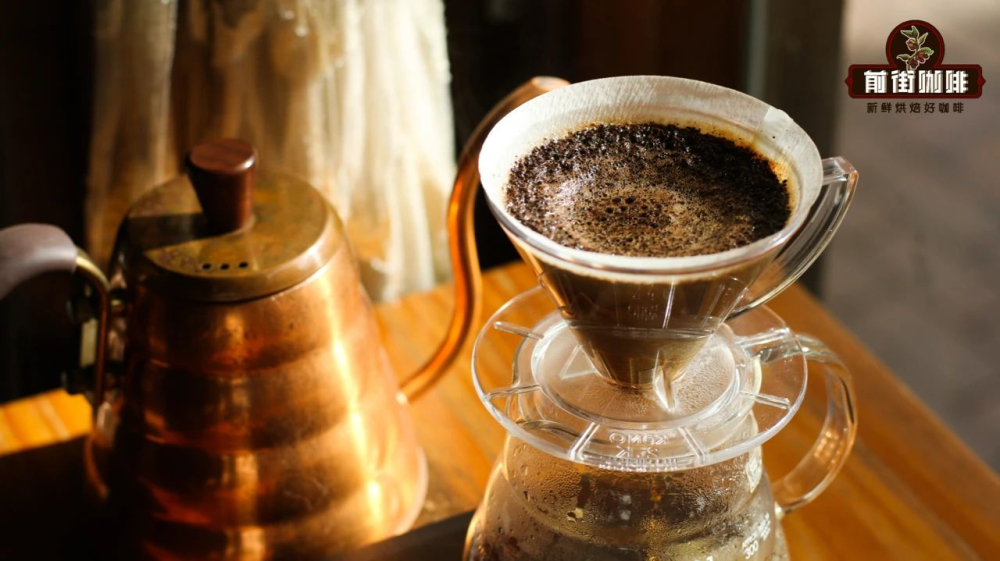
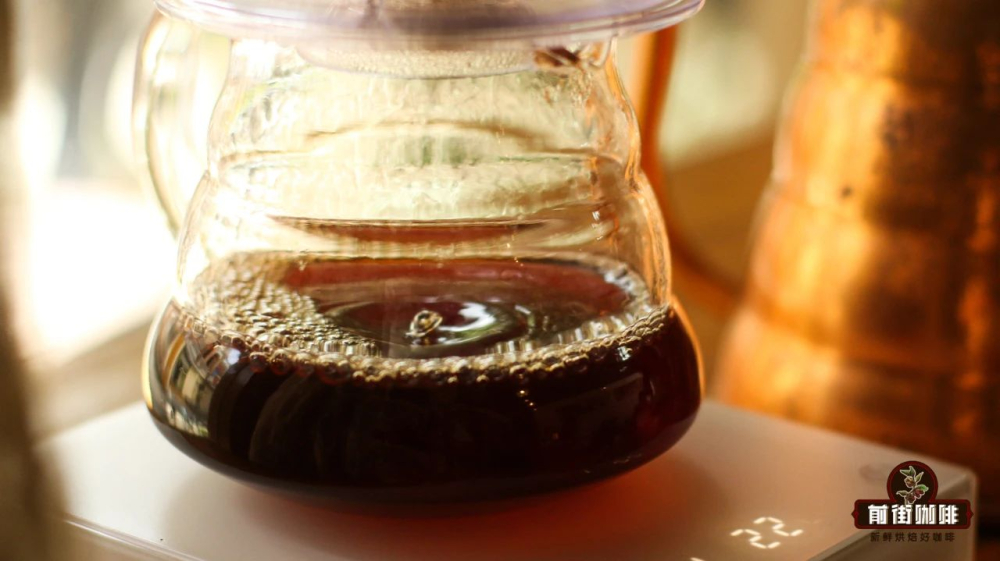 Many people wonder, is pour over coffee necessarily better tasting than Americano? In fact, although both fall under the category of black coffee, their flavor styles are distinct. Pour over coffee is a type of drip-filtered coffee. Its origins were simply to filter out coffee grounds, using a copper cup lined with blotting paper to filter the brewed coffee liquid. With the rise of the specialty coffee movement, people gradually discovered that by precisely controlling water temperature and extraction time, it’s possible to release more of the coffee’s subtle flavors. Modern pour over coffee now involves placing coffee grounds of appropriate coarseness directly into a filter cone, paired with filter paper or other filtering media. This not only filters out impurities but also allows for more precise control over the extraction process, resulting in a more layered taste experience.
Why is pour over coffee often considered to have a “layered” flavor? Traditional methods often involved boiling coffee grounds together with water, relying entirely on experience to judge the brewing time. This approach, with its high temperatures and long brewing durations, often led to over-extraction. Although it produced rich aromas and a full-bodied taste, it was frequently accompanied by undesirable bitterness and astringency. In reality, only about 30% of a coffee bean consists of flavor compounds, with the remaining 70% being woody fiber. Ideally, we only aim to extract 18% to 22% of those 30% flavor compounds. The release of coffee flavor compounds follows a certain sequence: acidity is released first, followed by sweetness, and finally bitterness. If all the flavor compounds are extracted, excessive bitterness can mask the acidity and sweetness, resulting in an overall taste that is both bitter and astringent. By adjusting grind size, water temperature, pouring technique, and coffee-to-water ratio, pour over coffee allows for precise control over the extraction process—fully highlighting the acidity and sweetness while moderately preserving some bitterness to add body. As the temperature of the coffee changes, different flavors reach their optimal state within specific temperature ranges, so pour over coffee can often exhibit varying layers of flavor at different temperatures.
So, at what temperature is pour over coffee best enjoyed? It actually depends on the roast level of the coffee beans. For example, PWN Golden Mandheling is a dark roast, aiming to highlight the coffee’s full body and richness. The sweet and bitter notes of this type of coffee are best expressed at temperatures between 40 and 60 degrees Celsius. On the other hand, Ethiopia Sidamo Natural Huila 5.0 is a medium-light roast, focusing on showcasing fruity acidity and sweetness, with its optimal flavor temperature being around 30 to 50 degrees Celsius. However, these are just suggested ranges for specific flavor notes. Professional baristas often recommend that customers try the taste at high, medium, and low temperature stages, because focusing solely on the so-called “optimal temperature” might cause you to miss the unexpected delights brought by other temperature ranges.
 Next, let’s talk about what Americano coffee is. Traditionally, an Americano is made by adding an appropriate amount of hot water to espresso to adjust it to the drinker’s preferred strength. The preparation of espresso is completely different from drip filtration—it uses a coffee machine to generate high pressure at around 9 bar to quickly extract a highly concentrated coffee liquid. This extraction technique was originally developed solely for obtaining a high-caffeine beverage quickly, with flavor not being the primary consideration. However, with the promotion of specialty coffee culture, today’s espresso also emphasizes the selection of coffee beans and flavor expression. When appropriately diluted with water, it not only maintains a rich taste but also makes the flavors clearer and more distinct.
The flavor profile of Americano mainly depends on the blend used to make the espresso. Taking some cafés as examples, the everyday Americano is made using an espresso blend like Sunflower Warm Sun, which combines Ethiopian Yirgacheffe Natural with Honduran Sherry. This blend not only carries notes of whiskey, berry acidity and sweetness, but also integrates the smooth texture of vanilla cream and the lingering finish of nuts and cocoa. The dilution ratio for Americano is generally 1:6. Because this particular blend has a unique and soft flavor profile, a lower dilution ratio is used. However, the standard Americano dilution ratio in most cafés typically ranges between 1:7 and 1:8.
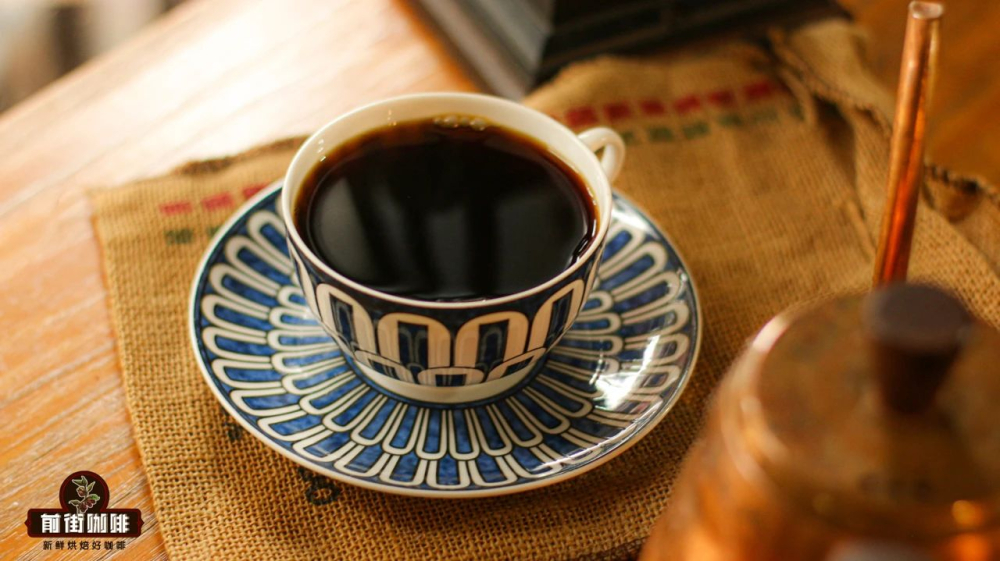 So, when you walk into a café, how do you choose between pour over and Americano? In fact, both have their advantages and can be chosen based on your personal time and needs. If you’re not in a rush, why not sit down and slowly savor a cup of pour over coffee, experiencing the rich layers and taste surprises that come with changing temperatures, while also enjoying the therapeutic process of watching the barista prepare it with care. But if you’re pressed for time, Americano is undoubtedly the more efficient choice—pour over usually takes 3 to 5 minutes, while Americano can be prepared in just 1 to 2 minutes, making it well-suited for the busy pace of daily life.
The above content is compiled by CoffeeHunters, a coffee news website.


