







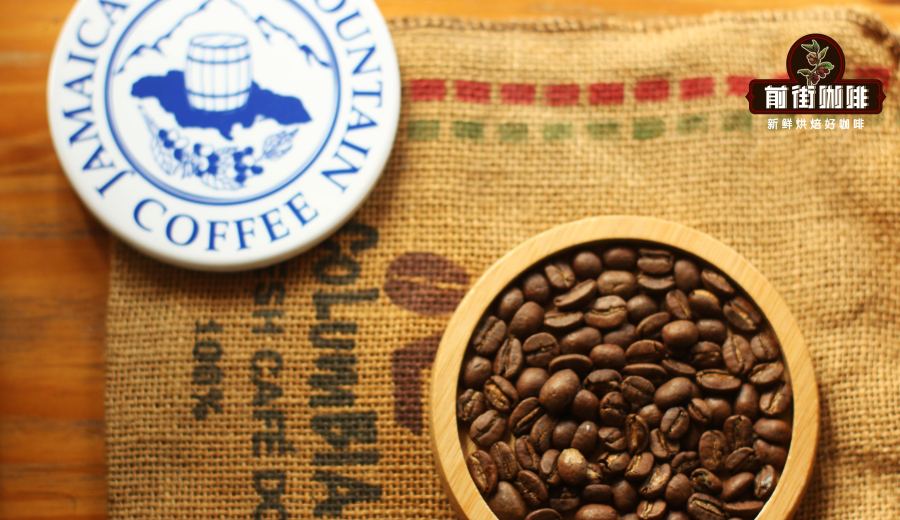
Introduction:Jamaica Blue Mountain No. 1 coffee is hailed as the "King of Coffees," grown in the Blue Mountains at elevations of over a thousand meters. Not only is it rare and precious, but it is also renowned for its exceptional balance of sweetness, acidity, and body. This article delves into the grading system of Blue Mountain coffee, the characteristics of its four famous estates, the washed processing method of the Clifton Estate, as well as professional medium-dark roast profiles and optimal pour over parameters to help you fully grasp the flavor profile and purchasing advice for this world-class coffee bean.
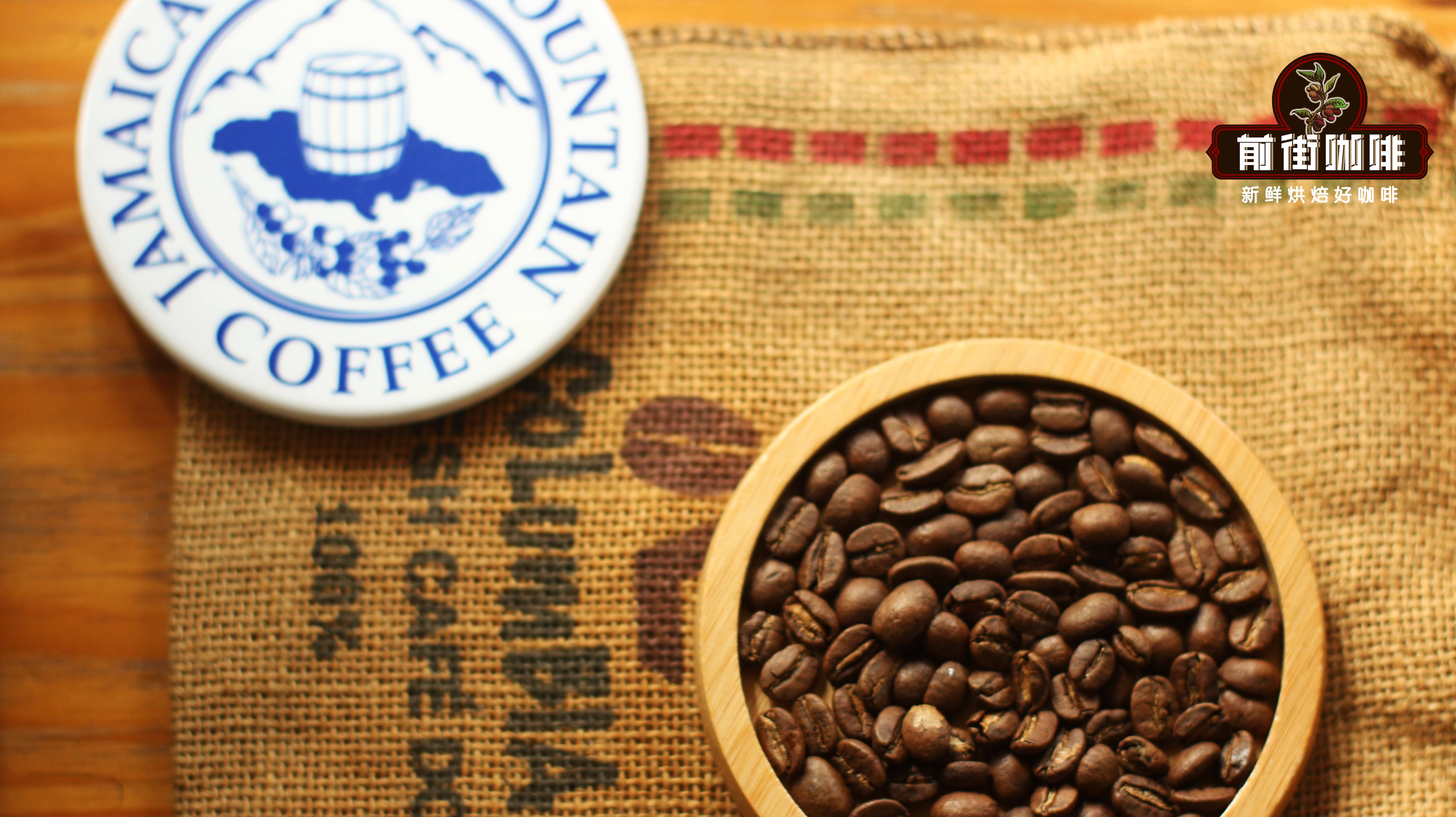
Jamaica Blue Mountain coffee holds a unique place in the global specialty coffee market due to its extremely low yield and unparalleled quality. This Blue Mountain No. 1 coffee bean from the Clifton Estate not only carries Rainforest Alliance certification but is also grown at high-altitude regions of about 4,300 feet (approximately 1,310 meters), falling within the strictly certified Blue Mountain grade range by the Jamaica Coffee Industry Board (CIB). Using 100% Typica variety and traditional washed processing, it delivers prominent chocolate and nutty notes while maintaining gentle acidity and delicate body.
[The History and Terroir of Blue Mountain Coffee]
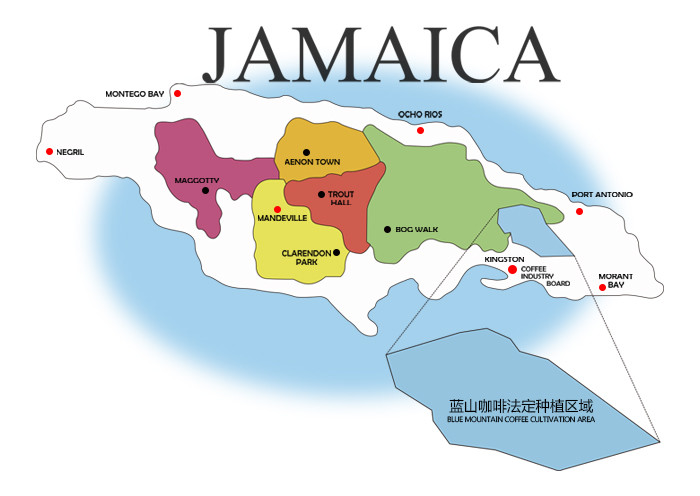
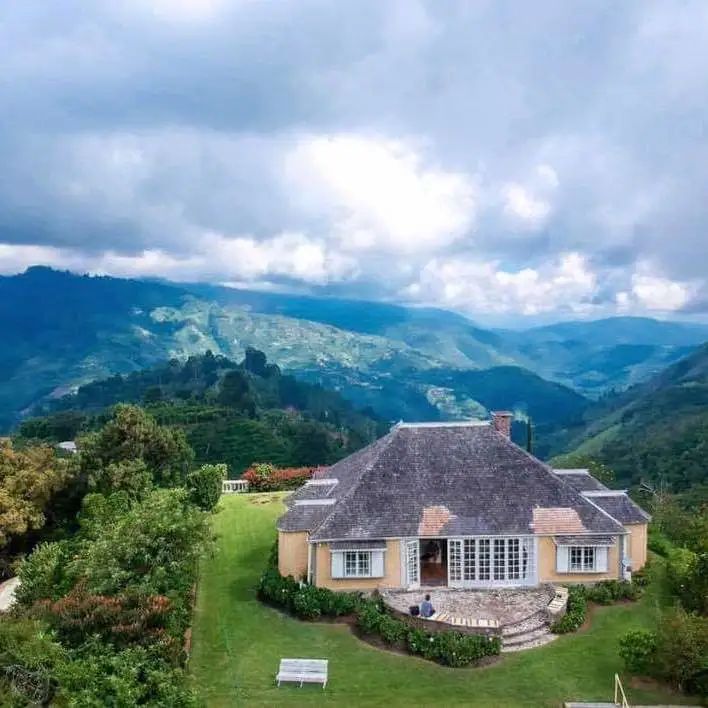
The history of coffee cultivation in Jamaica dates back to the early 18th century. In the 1720s, then-Governor Sir Nicholas Lawes introduced Arabica seeds from Martinique, marking the beginning of Blue Mountain coffee cultivation. The Blue Mountains are located on the eastern coast of Jamaica, with the main peak reaching 2,256 meters, making it the highest point in the Caribbean and a well-known tourist destination. However, authentic Blue Mountain coffee can only be grown at elevations between 910 and 1,700 meters, and the area that actually meets these criteria is even smaller, contributing to its rarity.
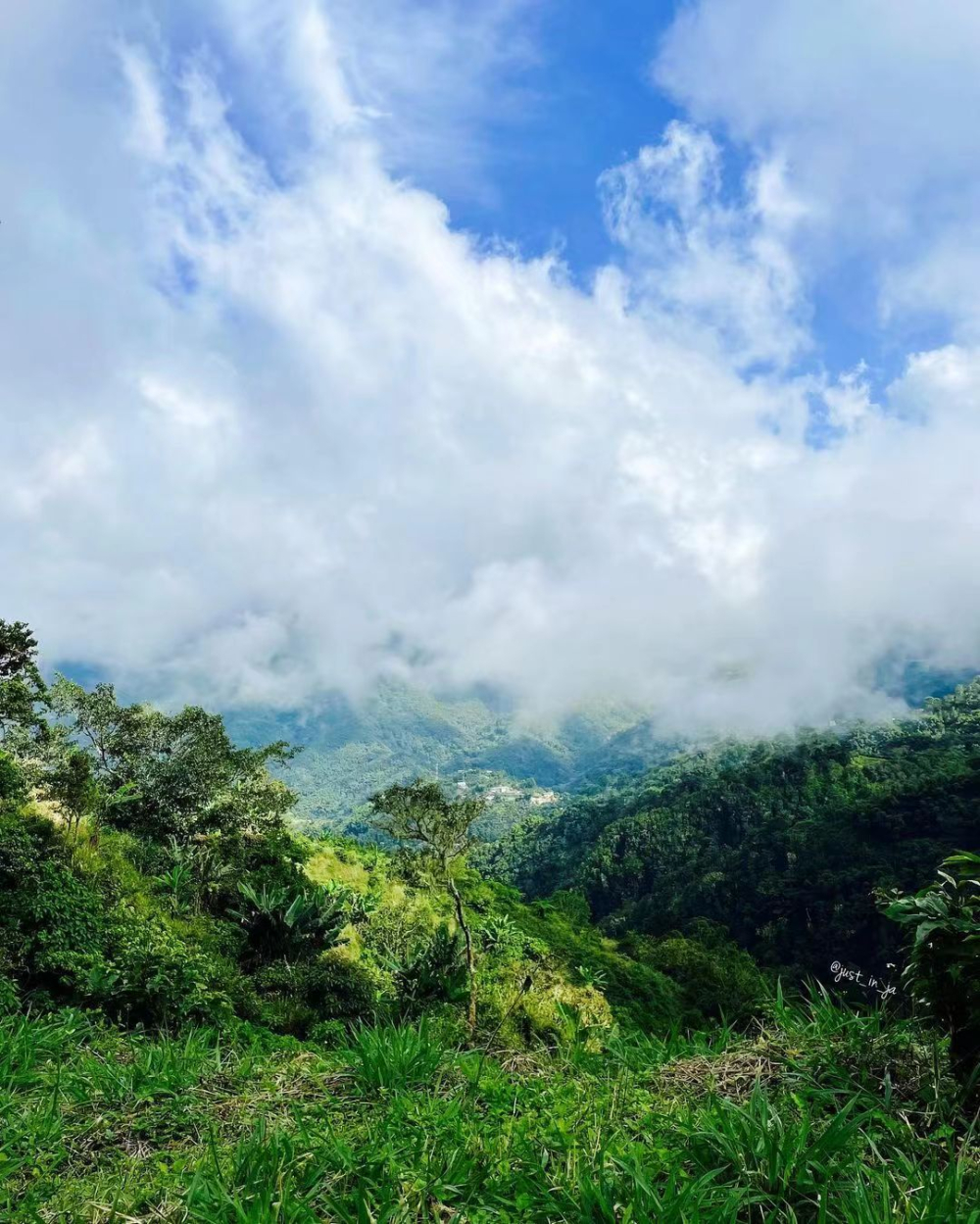
The microclimate here is exceptionally favorable, featuring fertile volcanic soil, high humidity year-round, frequent rain and fog, an average annual rainfall of nearly 2,000 millimeters, and a stable temperature around 27°C — an ideal environment for growing Arabica coffee. However, the steep high-altitude terrain, coupled with the Typica variety’s inherent susceptibility to disease and low yield, makes harvesting and management extremely challenging. This directly limits the annual production of Blue Mountain coffee, with currently less than 15% of Jamaican coffee qualified to be labeled as "Blue Mountain," yielding about 900 tons per year.
[The Meticulous Process from Harvest to Barrel Packaging]
All Blue Mountain No. 1 coffee beans undergo washed processing. Coffee cherries are carefully handpicked, selecting only those at optimal ripeness, and are depulped and fermented within 12 hours of harvest. After fermentation, the beans are placed on cement platforms to undergo prolonged sun drying, a process that helps concentrate and deepen flavors. Once the moisture content drops to 11% to 13%, the beans are transferred to temperature- and humidity-controlled warehouses for 2 to 3 months of aging to ensure optimal flavor development.
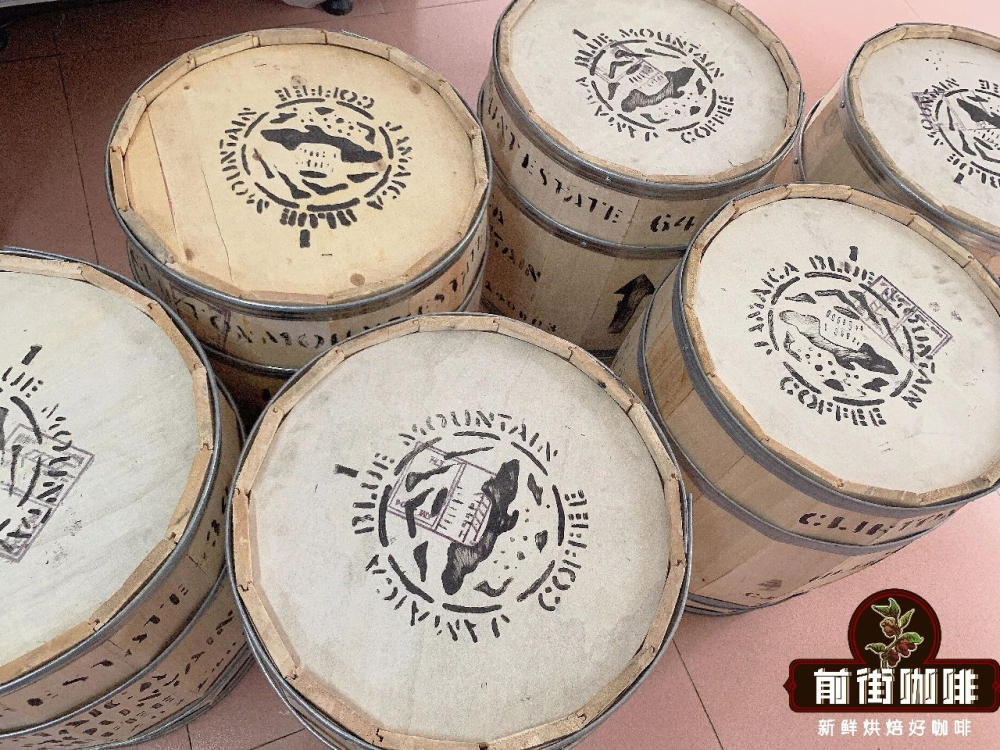
Before export, green beans are manually sorted to remove defective ones, inspected one by one by skilled workers, with only about 75 pounds processed per day. They then undergo low-temperature hulling and polishing, and are finally sealed in Jamaica’s unique wooden barrels. Every batch of exported coffee is rigorously inspected by the Jamaica Coffee Industry Board (CIB) to ensure flavor quality meets Blue Mountain standards before being allowed for export. This wooden barrel packaging remains unique to Jamaica to this day, highlighting its tradition and value.
[The Four Major Blue Mountain Estates Each Have Their Own Characteristics]
Within the Jamaica Blue Mountain region, there are four renowned estates: the Clifton Estate, the Stoneham Estate, the Mavis Bank Estate (Gold Cup), and the RWS Coffee Estate. Among them, the Clifton Estate has a history of over 200 years and is the only Blue Mountain estate with Rainforest Alliance certification. Its Blue Mountain No. 1 coffee is known for its balanced sweetness and acidity and rich aroma, and is also the source chosen by a certain well-known coffee brand.
The Stoneham Estate mainly collaborates with the Japanese market and is relatively rare domestically; although the Mavis Bank Estate (Gold Cup) has a shorter history, it was formed by merging two century-old estates and owns premium brands such as Amber Estate; the RWS Coffee Estate integrates three historic estates and is dedicated to promoting the overall image of Blue Mountain coffee. While all major estates follow strict standards in cultivation and processing, their different environments, techniques, and market positions result in distinct flavor profiles.
[Certification and Export System of Blue Mountain Coffee]
In the past, the Jamaican government insisted that Blue Mountain coffee must be roasted domestically before export. However, because roasted beans undergo rapid flavor changes that are not ideal for consumer experience, green bean exports are now permitted. As long as they pass multiple certifications by the CIB, official documents including quality certificates, producer authorizations, and certificates of origin can be obtained. These certificates ensure the authenticity and quality of the Blue Mountain coffee purchased by consumers.
[Professional Analysis of Roast and Pour Over Parameters]
For this particular coffee brand, a medium-dark roast is applied to Blue Mountain No. 1 to balance its delicate flavors with moderate body. Taking the Yangjia 600N semi-direct-fire roaster as an example, the charge temperature is 165°C, initial heat is set to 130, and the air vent is at 3. Through strict control of temperature and time, first crack occurs at 10 minutes and 6 seconds, and the beans are dropped at 198.5°C, fully showcasing the balanced characteristics of Blue Mountain coffee.
For pour over, it is recommended to use 15 grams of coffee grounds, water temperature at 86°C, a coffee-to-water ratio of 1:15, and medium-coarse grind (75% passing rate through a Chinese No. 20 sieve). The Kono dripper is recommended due to its rib design that reduces the risk of over-extraction, making it suitable for medium-dark roasted beans. During brewing, start with a 30-second bloom using 30 grams of water, followed by two pours to reach 225 grams total, with a total brew time of about 2 minutes. This method fully highlights the charming layers of Blue Mountain’s chocolate, nuttiness, and subtle fruity acidity.
[Conclusion: Appreciating Blue Mountain Starts with Understanding]
Jamaica Blue Mountain No. 1 coffee is not only the dream of coffee enthusiasts but also the crystallization of ultimate dedication to cultivation, processing, and quality control. From the century-old heritage of the Clifton Estate, to the rigorous grading and certification system, to professional roasting and brewing techniques, every step influences the final flavor. If you wish to experience the true charm of Blue Mountain, choosing authentic beans and understanding the details of roasting and extraction will allow you to discover an unprecedented level of coffee complexity and balance.
The above content is compiled by CoffeeHunters, a coffee news website.


