







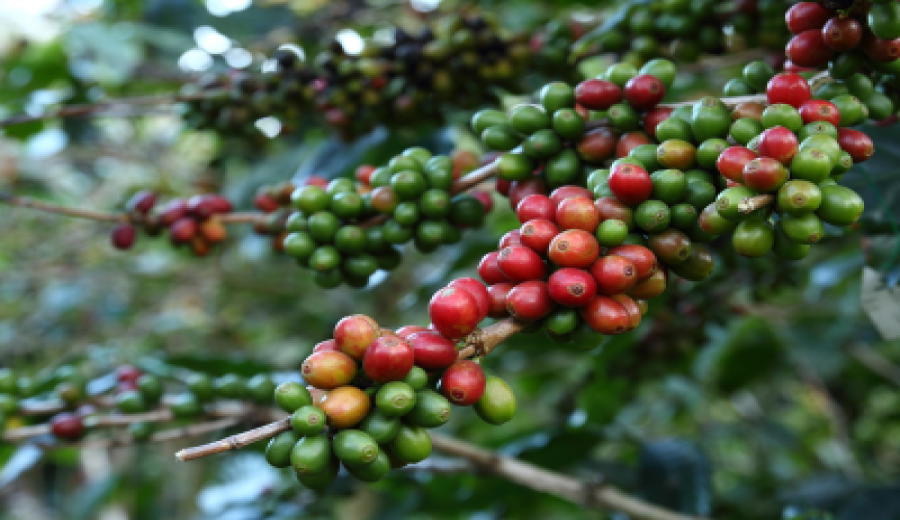
Introduction:The charm of specialty pour over coffee largely stems from the unique flavors of coffee beans from different regions. This article delves into how the climate and altitude of the three major coffee-producing regions—Asia, Africa, and Latin America—affect the aroma and taste of coffee beans. It also highlights three representative single-origin beans: Indonesia’s Golden Mandheling, Ethiopia’s Yirgacheffe Guji Dingding, and Brazil’s Queen Estate. We detail their processing methods, roast levels, and recommended pour over parameters to help you find the one that suits your palate best.
The world’s specialty coffee origins can be broadly divided into three regions: Asia, Africa, and Latin America. Due to differences in altitude, climate, and processing methods, these areas produce coffee beans with vastly distinct flavors. For pour over coffee enthusiasts, understanding the characteristics of these regions not only enhances the enjoyment of tasting but also allows for more precise selection of beans that match your personal taste preferences.
Coffee beans from the Asian region often exhibit pronounced spicy and herbal notes, with a rich and layered mouthfeel. A well-known example is the Golden Mandheling launched by a certain brand, which uses Indonesia’s Sumatra-specific wet-hulled processing method paired with a medium-dark roast to release intense herbal and forest-like aromas. For pour over, it is recommended to use a medium-coarse grind with a water temperature of around 90–92°C. During brewing, caramel, cedar, and dark chocolate aromas will emerge. The taste is bold and full-bodied, with a long-lasting sweet aftertaste and a hint of smokiness. It is very suitable for those who prefer a strong and intense flavor profile.
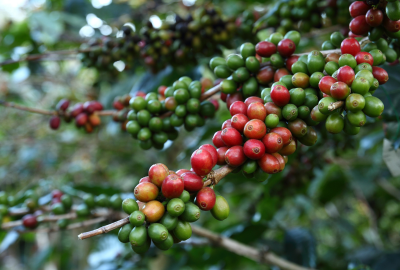
The African region, on the other hand, is renowned for its bright and vibrant acidity, often featuring refreshing notes of citrus, berries, or floral aromas, resulting in clear and layered flavors. A standout example is the Yirgacheffe Guji Dingding from a certain brand, sourced from Ethiopia’s renowned high-altitude growing region. It undergoes the washed processing method and is medium-light roasted, delivering an enticing combination of jasmine, citrus, green tea, and honey aromas. It is recommended to use a fine-to-medium-fine grind with water temperature controlled at 88–90°C. This brings out bright lemony acidity and delicate sweetness, with almost no noticeable bitterness. The overall cup is clean and refreshing, making it a top choice for many pour over beginners and advanced enthusiasts alike.
Coffee beans from Latin America tend to have a relatively balanced flavor profile, often combining notes of nuts, chocolate, and cocoa. They are ideal for those seeking a harmonious taste experience. Take the Queen Estate from Brazil, launched by a certain brand, as an example. These beans come from Brazil’s high-altitude growing areas—the world’s largest coffee-producing country—and are of the relatively rare Yellow Bourbon variety. After medium-dark roasting, they showcase rich aromas of creamy chocolate, dark cocoa, and almond. For pour over, it is recommended to use a medium-coarse grind with water temperature around 90–91°C. The resulting cup has a smooth and rounded mouthfeel, with low but lively acidity, prominent sweetness, and a long-lasting finish. It pairs excellently with milk or can be enjoyed black.
In summary, when choosing pour over coffee beans, besides considering your personal taste preferences, you can also start with the characteristics of each region: if you want to experience rich herbal notes and deep sweetness, prioritize beans from the Asian region; if you prefer bright fruit acidity and floral notes, African beans are the ideal choice; if you crave a balanced, full-bodied cup with nutty and chocolatey undertones, Latin American beans will meet your needs. By understanding the flavor profiles and processing characteristics of these regions, you can make more informed bean selections and enjoy a more multi-dimensional taste adventure during your pour over sessions.
The above content is compiled by CoffeeHunters, a coffee news website.


