








Introduction:An in-depth exploration of the unique flavor characteristics of Ethiopian Sidamo sun-dried coffee, covering everything from terroir and variety background to processing methods. Discover this specialty coffee with its intense fruity aroma and rich sweetness. Practical pour over parameters and steps are also provided to help you recreate its captivating floral-fruity notes and full-bodied mouthfeel at home.
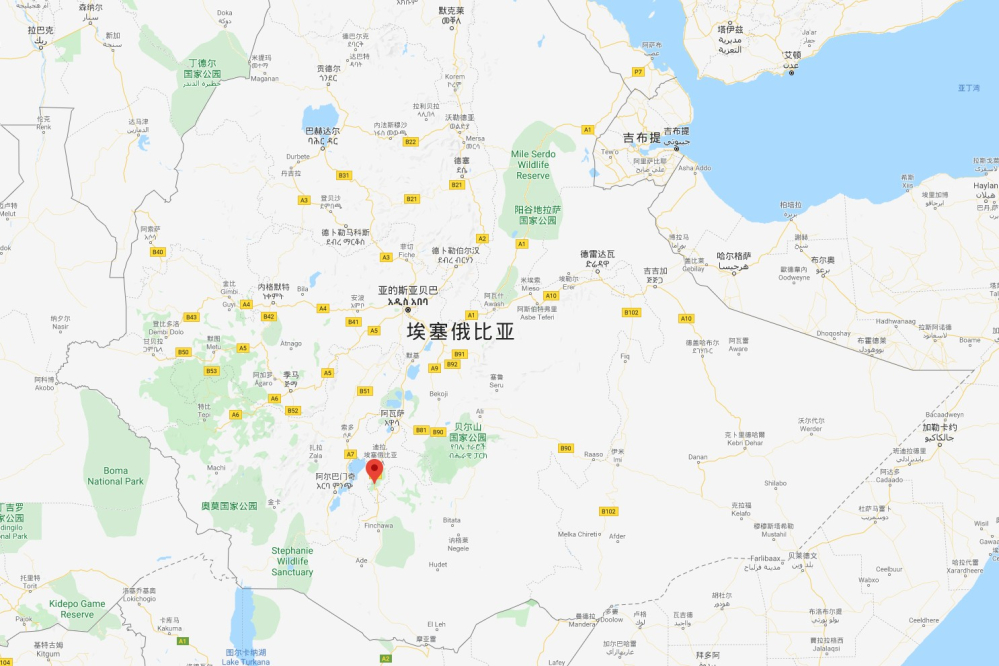
Sidamo is a renowned highland region in southern Ethiopia and one of the world’s important specialty coffee producing areas. The region is famous for producing sun-dried coffees with intense flavors, balanced acidity and sweetness, and a captivating juiciness. Whether you prefer an explosion of fruitiness or a rich lingering finish, Sidamo offers a diverse and layered taste experience.

Compared to Yirgacheffe, which is primarily known for washed processing, Sidamo is more celebrated for its outstanding performance in sun-dried processing. Through natural sun drying, the sugars in the coffee pulp penetrate more deeply into the seeds, imparting a richer sweetness and complex fruitiness to the coffee, sometimes accompanied by subtle fermented wine-like notes and a full body. This processing method often makes the coffee taste like drinking a fresh juice—its flavors are three-dimensional and captivating.
Sidamo green beans typically vary in size, with some beans being smaller or slightly irregular in shape, and their color appears as a slightly grayish green. The acidity can be quite variable—sometimes soft, sometimes pronounced—but overall it presents a bright and refreshing profile without being overly sharp. In terms of body, Sidamo coffee generally has a good viscosity and weightiness, paired with diverse floral aromas and layers of fruit acidity, making it a favorite among many single-origin coffee enthusiasts.
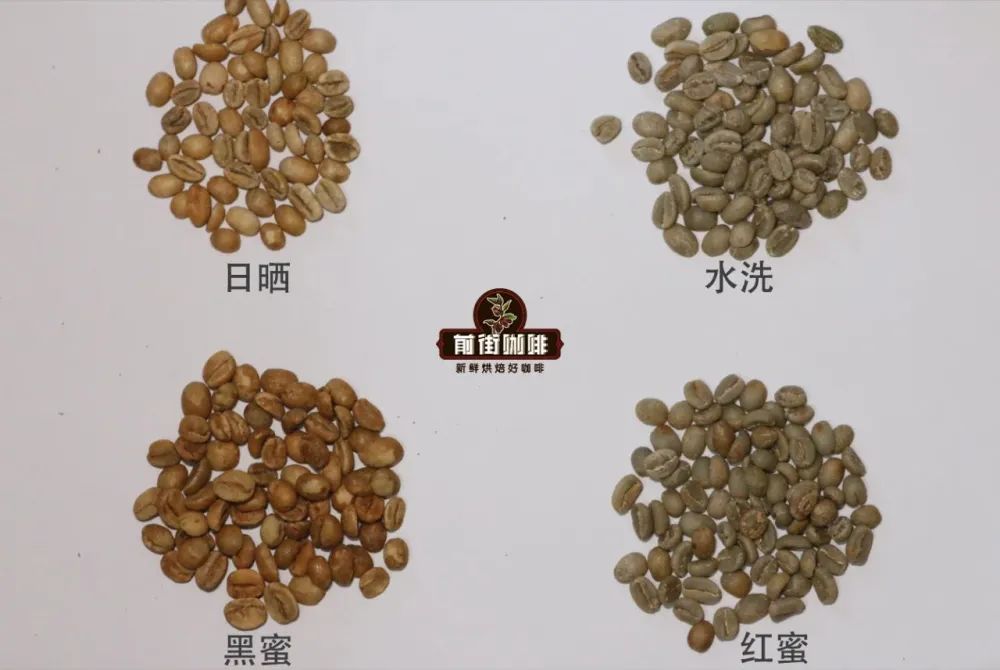
In the choice between washed and sun-dried processing, washed Sidamo often exhibits bright citrus, green apple, and other crisp fruit acids, paired with light nuts and a hint of cocoa in the finish, resulting in an overall clean and refreshing flavor profile. The sun-dried version, on the other hand, enhances floral and fruity characteristics, often featuring prominent passion fruit, strawberry, or oolong tea notes, with a highlighted sweetness and a long-lasting aftertaste—making it an excellent choice for pour over or French press.
Ethiopia is one of the few countries in the world that still retains a large number of native coffee varieties. Local smallholder farmers mostly practice garden-style cultivation, intercropping coffee trees with bananas, legumes, and other crops, creating a unique "garden coffee" ecosystem. This farming approach not only helps maintain biodiversity but also allows coffee trees to grow healthily in nutrient-rich environments. The soil in the Sidamo region is fertile volcanic soil with good drainage and high organic matter content. Coupled with diverse microclimates and altitude conditions, it gives rise to the rich and varied flavor profiles of the coffees from this region.
The coffee-growing areas of Sidamo feature diverse terrains, ranging from high mountains and plateaus to valleys and plains. This results in coffees produced in different locations, even under the same processing method, exhibiting distinctly different flavor profiles. Coffees from this region generally have noticeable sweetness, complex floral notes, and fruitiness, along with excellent aftertaste performance, frequently earning high scores in international evaluations.
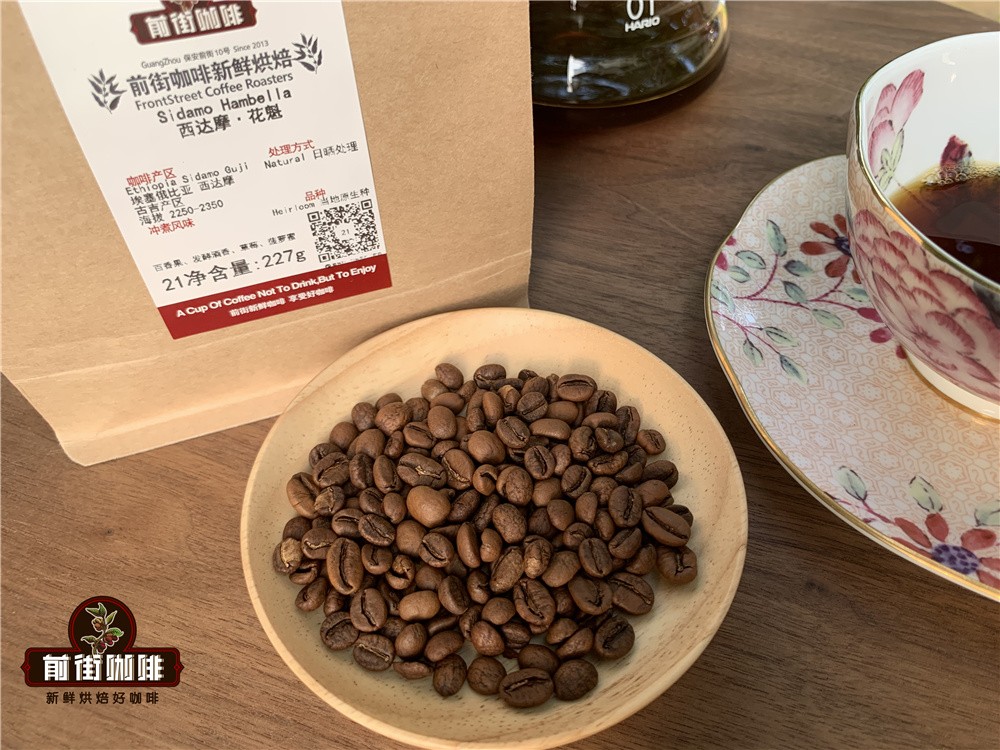
When talking about Sidamo, one cannot overlook its famous sub-region—Guji. Guji was once part of Sidamo but was officially designated as an independent region after 2010 and is now one of Ethiopia’s most promising specialty coffee origins. Located within Guji is the Hambella area, the birthplace of the renowned “Huakui” (also known as “Flower Queen”) coffee. This coffee first gained fame for winning the TOH (Taste of Harvest) competition with its intense strawberry and cream aromas, and was later introduced to the Chinese market and named “Huakui,” symbolizing its top-tier quality.
The Huakui coffee is sourced from the sun-dried batches of the Buku Abel washing station, located in Dimtu, the core area of Hambella at extremely high altitudes. Due to the unique geographical conditions—large diurnal temperature variations—and a rigorous processing procedure, this coffee boasts a high flavor concentration and a distinctive sweet aroma. Each year, due to variations in climate and processing details, the Huakui series releases different versions, such as Huakui 2.0, 3.0, and even Huakui 8.0 in 2024, each with its own unique flavor characteristics.
Besides Guji, West Arsi in Sidamo is another noteworthy sub-region. Located between Yirgacheffe and Harerghe, this area is predominantly inhabited by the Oromo people, who are considered among the earliest coffee-drinking ethnic groups in the world. Most of the coffee in West Arsi is grown by smallholders, with each household managing relatively small plots, yet the cultivation and harvesting processes are relatively meticulous. Processing stations also provide incentive mechanisms for high-quality red cherry beans, further enhancing overall cup quality.
What makes Sidamo’s sun-dried coffee special is the way its processing fully utilizes sunlight, allowing the coffee cherries to gradually ferment during drying, thereby extracting more intense fruitiness and sweetness. Compared to washed processing, sun-dried beans usually have a fuller body, more complex aroma layers, and higher sweetness. Moreover, because they are not washed, sun-dried processing better preserves the coffee’s original regional flavor characteristics.
If you want to brew Sidamo sun-dried coffee at home and capture its captivating flavors, here are professional recommended pour over parameters: Use a V60 filter, with a dose of 15 grams, grind size approximately 80% through a Chinese #20 sieve (medium-coarse), water temperature controlled at 90°C, and a water-to-coffee ratio set at 1:15. Begin brewing with a 30-second bloom using twice the coffee dose (about 30 grams) of water to help degas and initiate extraction. Then continue pouring with a slow, circular motion, doing a first pour at 125 grams, followed by pouring until you reach 225 grams total, then stop. The total brew time should ideally be around 2 minutes. Once dripping through the filter is complete, gently swirl the brew and enjoy.
The brewed Sidamo sun-dried coffee often presents pronounced floral and fruity aromas—such as passion fruit, strawberry, citrus, and oolong tea—alongside a rich sweetness, soft yet vibrant acidity. It’s a perfect choice for savoring slowly and enjoying the charm of a single-origin coffee.
The above content is compiled by CoffeeHunters, a coffee news website.


