







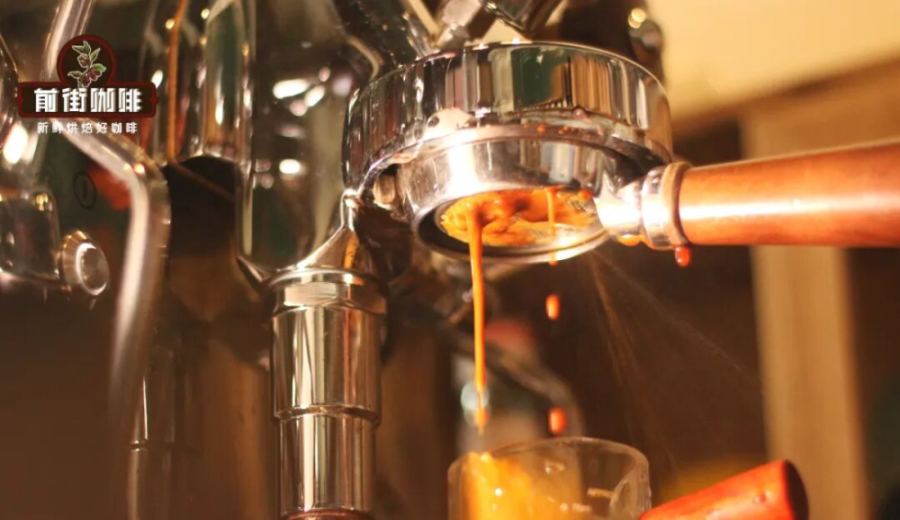
Introduction:Have you ever encountered tiny holes on the surface of your espresso puck, or had the shot erupt violently from the bottom of the portafilter, resulting in a sharp, unbalanced flavor? This is usually caused by "channeling" — where high-pressure water finds the path of least resistance through the coffee puck, leading to uneven extraction. This article delves into the common causes of channeling, including uneven distribution, insufficient coffee dose, overly fine grind size, and clumping, and provides practical troubleshooting and adjustment methods to help you refine your extraction parameters and produce a balanced, richly flavored espresso.
When pulling an espresso shot, you might occasionally notice small holes forming on the puck’s surface or the coffee shooting out forcefully from the bottom of the portafilter, accompanied by a distinctly sour taste. This is very likely the result of "channeling." Simply put, it occurs when pressurized hot water doesn’t evenly penetrate the compacted coffee puck but instead finds the easiest route through, causing some coffee grounds to be under-extracted while others are over-extracted.
This phenomenon not only affects extraction uniformity but also disrupts the overall flavor balance of the coffee. Common issues include weak aroma, thin body, overly sharp acidity, and sometimes even watery notes, burnt bitterness, or astringency. This article will analyze the common causes of puck channeling and piercing from aspects such as distribution technique, coffee dose, grind size, and puck structure, and offer specific adjustment suggestions so you can brew balanced and flavorful espresso at home.
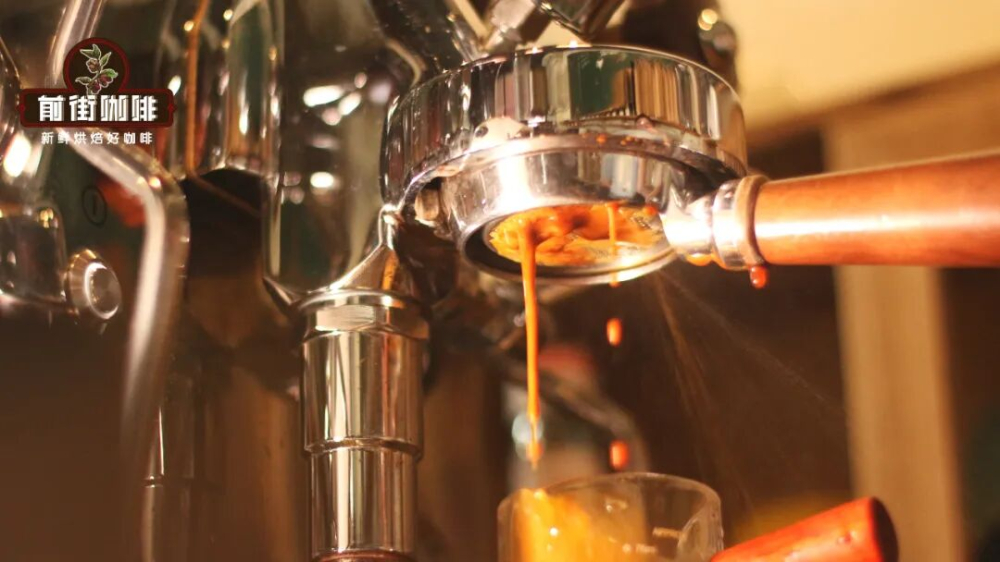
Why does espresso shoot out from the bottom? This is closely related to the three fundamental brewing conditions of espresso: fine grind, high pressure, and short extraction time. Under normal circumstances, pressurized hot water must pass through a tightly packed layer of finely ground coffee in just a few seconds to effectively extract flavor compounds. However, just as people avoid obstacles to find shortcuts, pressurized water also instinctively seeks the path of least resistance.
If the density inside the puck is uneven — for example, some areas are less tamped or looser — the high-pressure water will preferentially flow through these more porous or gap-ridden spots, creating “piercings” and causing the coffee to erupt forcefully from specific points at the bottom of the portafilter. If you’re using a bottomless portafilter, this phenomenon becomes even more obvious: you may see the coffee rapidly lighten in color, the flow speed suddenly spike, or even splatter in all directions. This is what professional baristas call "channeling."
Channeling not only makes the extraction process look chaotic but also severely impacts the final flavor of the coffee. When you remove the portafilter, you might notice pooled water at the bottom of the puck and visible pinholes on the coffee grounds — clear signs that water has concentrated in certain paths. The resulting espresso often lacks the desired body and aroma, and instead exhibits unpleasant sharp acidity, watery texture, excessive burnt notes, and astringency, greatly diminishing the overall drinking experience.
For beginners new to espresso, selecting the right coffee beans is crucial. Since espresso has an intense and distinctive flavor profile, it tends to amplify both the strengths and weaknesses of the beans — especially light roasts, which typically have more pronounced acidity. When extraction is uneven, that acidity can become overly sharp and unpleasant. Therefore, it’s recommended that beginners avoid light roasts and opt instead for medium to dark roast beans, which not only deliver a smoother mouthfeel but also help produce a richer crema.
When it comes to bean selection, a classic "medium to dark roast espresso blend" is a favorite among many coffee enthusiasts. These blends typically combine beans from different origins — for instance, Indonesian beans with earthy and spicy notes, and smooth, full-bodied Brazilian beans — complementing each other to create a rich and balanced flavor. Additionally, some blends incorporate a small amount of Robusta beans to enhance crema performance and overall flavor stability, making them well-suited for milk-based drinks like lattes and improving latte art performance.
In fact, channeling is a challenge nearly every barista has faced. Even experienced professionals can’t always completely avoid it, though they can quickly adjust based on experience to minimize the issue. For casual home users who brew less frequently, however, failing to correctly identify the root cause can make it difficult to achieve meaningful improvement. Below, we’ll take a detailed look at several of the most common causes of channeling and how to address them.
First, uneven distribution is one of the most frequent culprits. Whether learned through videos or tutorials, the importance of distribution is consistently emphasized. The goal of distribution is to ensure the coffee grounds are evenly spread across the portafilter basket, so that every particle is equally exposed to the pressurized hot water, achieving consistent extraction. Yet this seemingly simple step is often botched due to rushed or careless execution.
For example, some people tamp the coffee without first leveling the surface, leading to tiny, hard-to-spot pits or gaps along the puck’s edge. Once the puck is placed in the portafilter and extraction begins, these minor flaws become channels for the water to concentrate through, resulting in obvious piercings and bursts. Therefore, it’s essential to ensure the coffee bed is level before tamping, lightly brushing the surface for an even tamp.
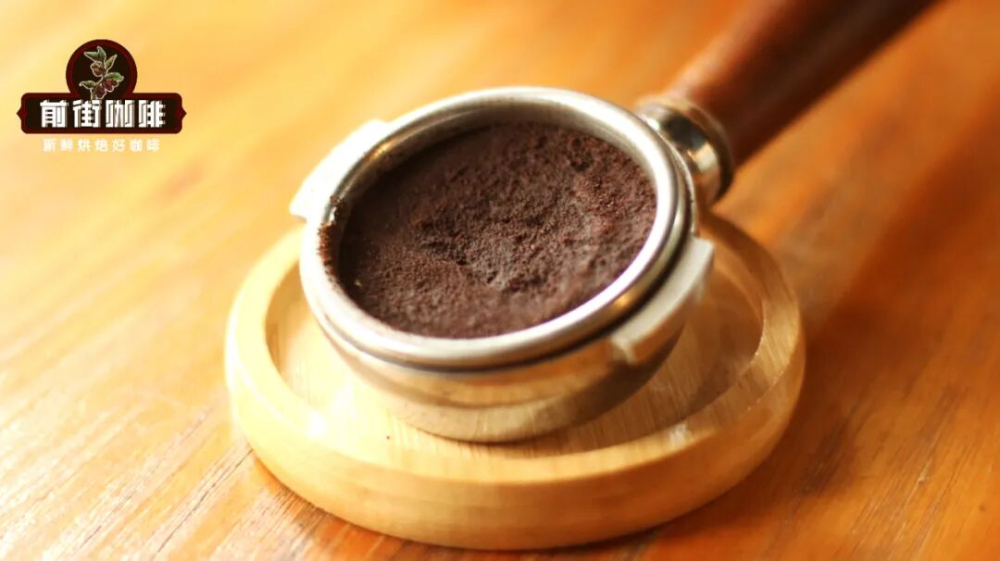
In addition to uneven distribution, bumping or knocking the portafilter after distribution is another common cause of channeling. Many people, when attaching the portafilter to the machine, apply excessive force or use an awkward angle, inadvertently subjecting the puck to unnecessary impact. This can create micro-cracks or loosen the puck, forming unseen gaps between the puck and the basket that serve as shortcuts for pressurized water, leading to uneven extraction and spraying issues.
If you’re confident in your distribution technique but still frequently experience splashing or irregular flow during extraction, check whether you’re aligning and locking in the portafilter steadily, and avoid using excessive force or incorrect angles to minimize the chance of puck damage.
Insufficient coffee dose or an overly fine grind can also trigger channeling. When there’s too little coffee, gaps can form between the puck and the shower screen, causing the top layer of grounds to shift under pressure and water to concentrate through certain areas, leading to piercings and uneven extraction. On the other hand, an overly fine grind results in an extremely dense puck that’s difficult for pressurized water to penetrate uniformly, so the water finds the path of least resistance, again causing uneven extraction.
As a general guideline, adjust your coffee dose and extraction parameters according to your basket’s capacity. For example, a basket with around a 20g capacity should use 20g of coffee to yield about 40g of espresso, with an extraction time of 25 to 30 seconds. If you notice the coffee flowing too slowly (taking over 7 seconds to start dripping), or if the extraction takes longer than 35 seconds and the later liquid turns pale, it may indicate that the grind is too fine and should be adjusted coarser.
Additionally, coffee clumping is another factor that shouldn’t be overlooked. During grinding, static electricity caused by friction can cause lightweight coffee particles to form clumps, especially in humid environments or when using dark roast beans. These clumps are usually denser than the surrounding grounds, and pressurized water will avoid them, choosing lower-resistance paths, which leads to localized over-extraction and channeling.
The solution is simple: before tamping, gently stir the coffee grounds in the basket using a needle distributor or toothpick to break up clumps, ensuring a more uniform puck density, which helps improve overall extraction stability.
Finally, many people wonder: can using a bottomless or split-flow portafilter prevent channeling? The answer is no. While a split-flow design directs coffee through two fixed channels, if the puck itself has uneven density, clumps, or improper tamping, the pressurized water will still find the path of least resistance, causing internal uneven extraction. Although no obvious spraying may be visible, removing the portafilter may still reveal puncture marks on the puck, indicating that channeling has still occurred.
The above content is compiled by CoffeeHunters, a coffee news website.


