








Introduction:In recent years, Yunnan coffee has gradually shaken off its instant coffee image, with its specialty coffee path drawing attention to its flavor potential. This article takes an in-depth look at a sun-dried Typica variety from a certain café, analyzing everything from the growing region, processing method, roast level, to filter choice, brew ratio, water temperature, and three-pour technique — guiding you to master the essentials of pour-over brewing for Yunnan coffee. It also shares actual cupping flavors to help you find the optimal brewing method for this small-bean coffee.
When it comes to Yunnan coffee, many coffee enthusiasts may have the following questions: Is Yunnan-grown coffee inherently bitter? Can a pour-over method highlight its layered flavors? In fact, in the early days, Yunnan coffee was mostly used as raw material for instant coffee, with little market presence. However, with the rise of specialty coffee trends, along with competition and media promotion, the potential of Yunnan beans has gradually been recognized. Now, in many cafés, customers actively inquire about trying single-origin Yunnan beans.
Based on the actual offerings of a certain café, taking their highly-rated 2013 sun-dried Typica as an example, this article details everything from bean origin, processing techniques, roast style, to pour-over elements such as filter selection, brew ratio, grind size, water temperature control, and three-pour methodology — breaking down step by step how to brew the best flavors from this Yunnan small-bean coffee. It also shares the aroma and taste characteristics observed during cupping, helping you better understand the balanced, sweet-profiled nature of this coffee and identify the most suitable brewing strategy.
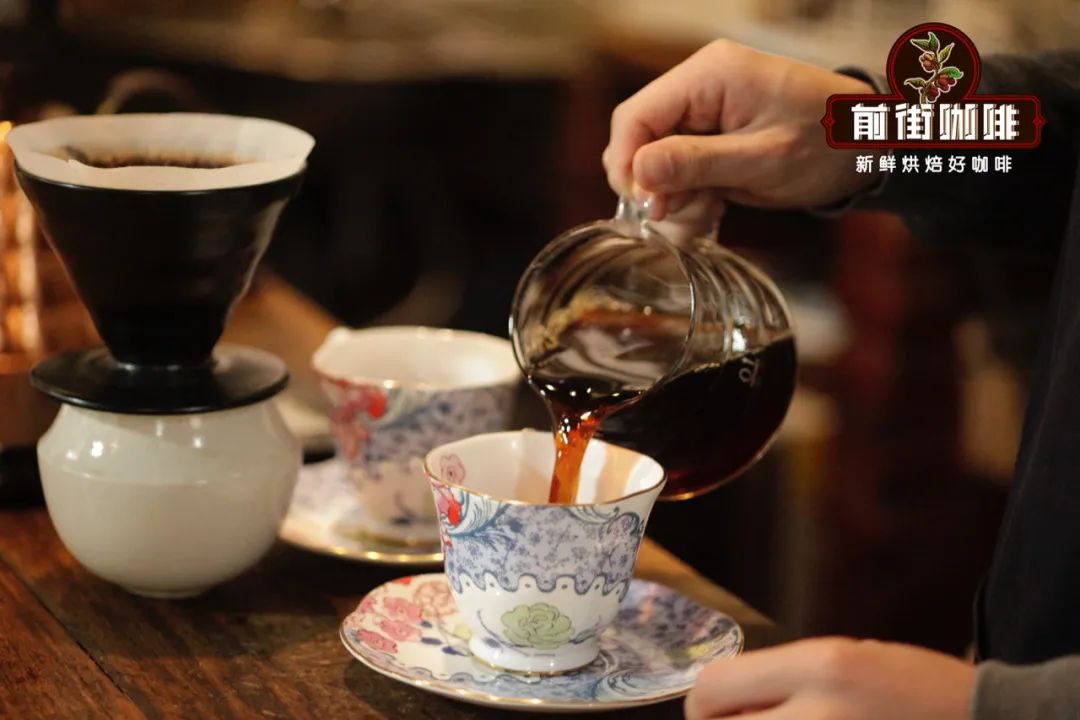
Before starting the pour-over, the first step is choosing the right coffee beans. For this session, we’re using the café’s own 2013 sun-dried Typica, grown, harvested, and processed in-house, and currently at its peak drinking window. As early as 2013, the café team traveled to Lincang, Yunnan, personally participating in site selection, seedling cultivation, planting, and subsequent harvesting and processing, accumulating extensive firsthand experience. The decision to choose the Typica variety was due to its pure flavors and elegant aromas, although it comes with challenges such as low yield and weaker disease resistance, requiring especially careful cultivation management. By 2020, the first harvest was finally achieved, processed using the sun-dried method, resulting in this “2013 Sun-Dried Typica.”
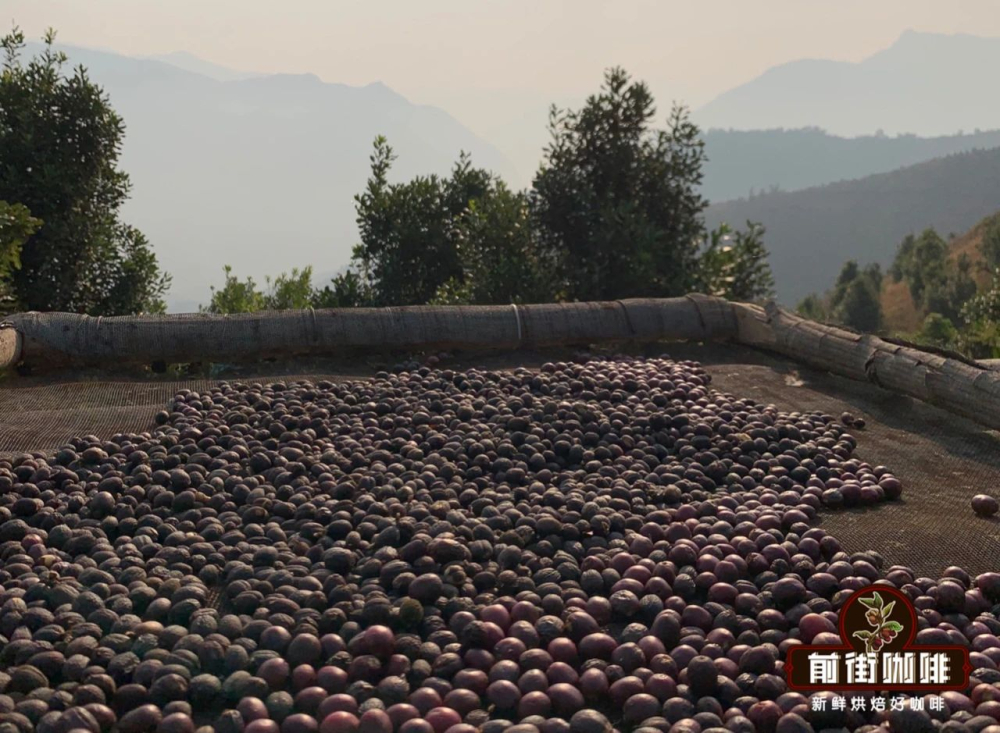
Unlike wet processing, which requires complex washing equipment, the sun-drying method hinges on stable weather and even drying. During processing, the café assigns staff to regularly turn the coffee cherries, ensuring each fruit is evenly heated and avoiding localized over-fermentation. Only when the cherries transition from bright red to dark purple and reach the ideal moisture content are they hulled and roasted. The new harvest season is just around the corner — coffee lovers who enjoy the Typica profile should stay tuned.
Before officially brewing, there's another important step: confirming that the beans are within their fresh drinking window. It's generally recommended not to use coffee beans roasted more than a month ago, as their aroma significantly diminishes over time, and those delicate flavors are hard to restore through brewing techniques. The café insists on shipping beans roasted within five days to ensure consumers experience the richest and most expressive flavor phase. This 2013 Sun-Dried Typica is medium-roasted, preserving the beans' original fruity sweetness while also delivering a moderate body.
According to the café’s cupping results, this coffee exhibits a complex profile of caramel, nuts, citrus, chocolate, berries, plums, fermentation notes, and black tea, with a particularly prominent sweetness. Overall, it shows a balanced and harmonious tone, with soft acidity and not overly intense bitterness, making it suitable for various brewing methods. Whether you’re a pour-over beginner or a seasoned enthusiast, you’ll find enjoyment in it.
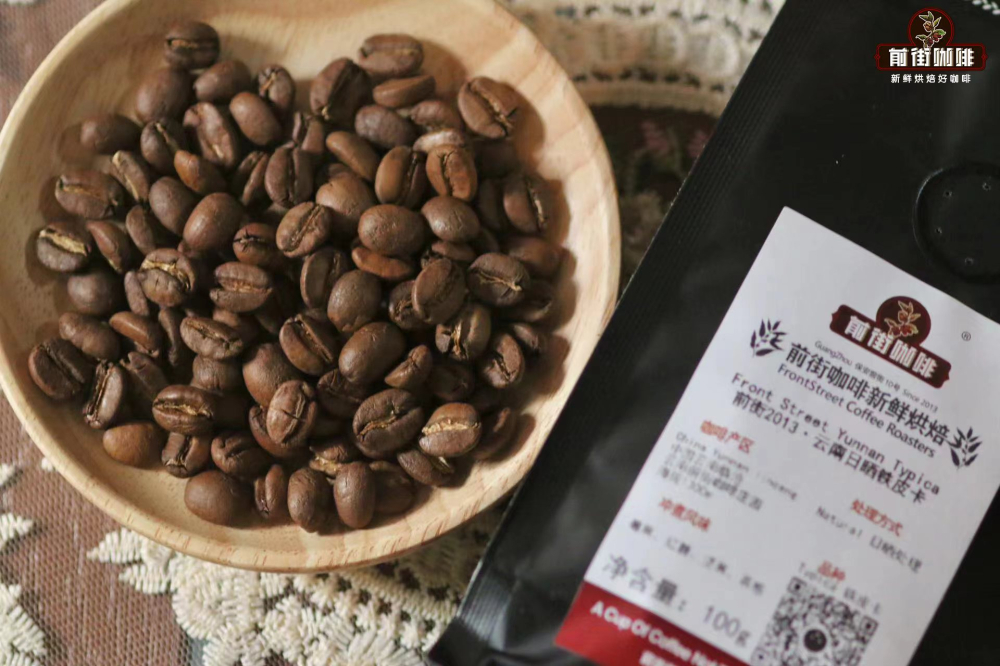
Next is filter selection. To fully showcase the aroma layers and taste variations of this Yunnan small-bean coffee, it’s recommended to use a resin V60 dripper. The V60 features spiral-shaped air vents along its wall, paired with a large central hole at the bottom, which effectively regulates water flow speed and contact time. The water flows along the spiral grooves toward the center, extending the contact time between coffee grounds and hot water, helping extract richer flavors and details, resulting in a cleaner, more layered final cup.
Regarding brew ratio, the café’s practical approach suggests a 1:15 ratio — that is, 15 grams of coffee grounds to 225 milliliters of water. This proportion balances clarity of flavor and intensity. Of course, if you prefer a stronger taste, you can adjust to 1:14; if you want a lighter, more refreshing profile, you can opt for 1:16. It’s recommended to fine-tune based on personal taste to find your ideal ratio.
As for grind size and water temperature, given this coffee’s balanced flavor profile, it’s suggested to use a medium-coarse grind — approximately 70% extraction through a Chinese standard No. 20 sieve, or around setting 10.5 on a coffee grinder like the EK43s. For water temperature, aim for about 90°C, which helps avoid the bitterness from over-extraction while fully releasing sweetness and aroma.
Finally, the pouring technique. The café recommends using a three-pour method to ensure even extraction of aromatic compounds and sweet elements in the coffee. First is the bloom stage: place 15 grams of ground coffee into the V60 dripper, gently shake it flat, then pour 30 grams of hot water. Bloom for about 30 seconds. This step awakens the coffee grounds and releases CO₂, laying a solid foundation for subsequent extraction.
Next comes the second pour: slowly pour water in a circular motion from the center, keeping the flow steady, until the total water volume reaches 125 grams, then perform the first break. Once the coffee bed has settled slightly, continue pouring in the same manner until the total reaches 225 grams. Then let the coffee drip through completely. The entire extraction process is recommended to take around two minutes, with a flexibility of ±10 seconds. Finally, give the coffee in the server a gentle swirl before enjoying this pour-over version of the 2013 Sun-Dried Typica.
In terms of flavor profile, this Yunnan small-bean coffee offers distinct notes of caramel, nuts, and citrus in the dry aroma. At high temperatures during hot drinking, chocolate, berries, and subtle fermentation notes intermingle. As the temperature cools slightly, the acidity of the plum and the clean, sweet finish reminiscent of black tea and sugarcane gradually emerge. With a medium-to-full body, layered complexity, and clarity, it’s a premium Yunnan coffee well worth savoring and exploring.
The above content is compiled by CoffeeHunters, a coffee news website.


