








Introduction:Colombian coffee is renowned for its balanced body and rich flavor, making it a favorite among coffee enthusiasts worldwide. This article delves into the history of Colombian coffee-growing regions, explaining how FNC helped propel Colombia to become the world’s third-largest coffee exporter. It also offers an in-depth analysis of the classic dark chocolate notes found in Huila region washed beans, as well as the unique berry and spice profiles of the Paradise Estate sakura beans, achieved through a double anaerobic washed process. Practical pour over brewing parameters are provided to help readers discover their ideal Colombian coffee experience.
What makes Colombian coffee so special? Many seasoned coffee lovers praise its refined balance and smooth dark chocolate tones. This classic South American coffee not only holds a prominent place in the specialty coffee market but is also a top choice for many beginners. This article will explore the historical background of Colombian coffee, introduce the founding of FNC, and examine two representative coffee beans: the washed beans from the Huila region and the much-talked-about sakura beans from Paradise Estate, discussing their flavor characteristics and suitable brewing methods.

Though geographically small, Colombia is one of the world’s most important producers of Arabica beans, ranking second only to Brazil in output. However, before European colonizers arrived, there were no traces of coffee cultivation on this land. Historical records indicate that coffee planting in Colombia began in the early 18th century, introduced by Spanish Jesuit missionaries. One such missionary, José Gumilla, mentioned in his 1730 writings that he personally witnessed coffee plantations along the Orinoco River, suggesting that coffee had already begun to take root in the region by then.
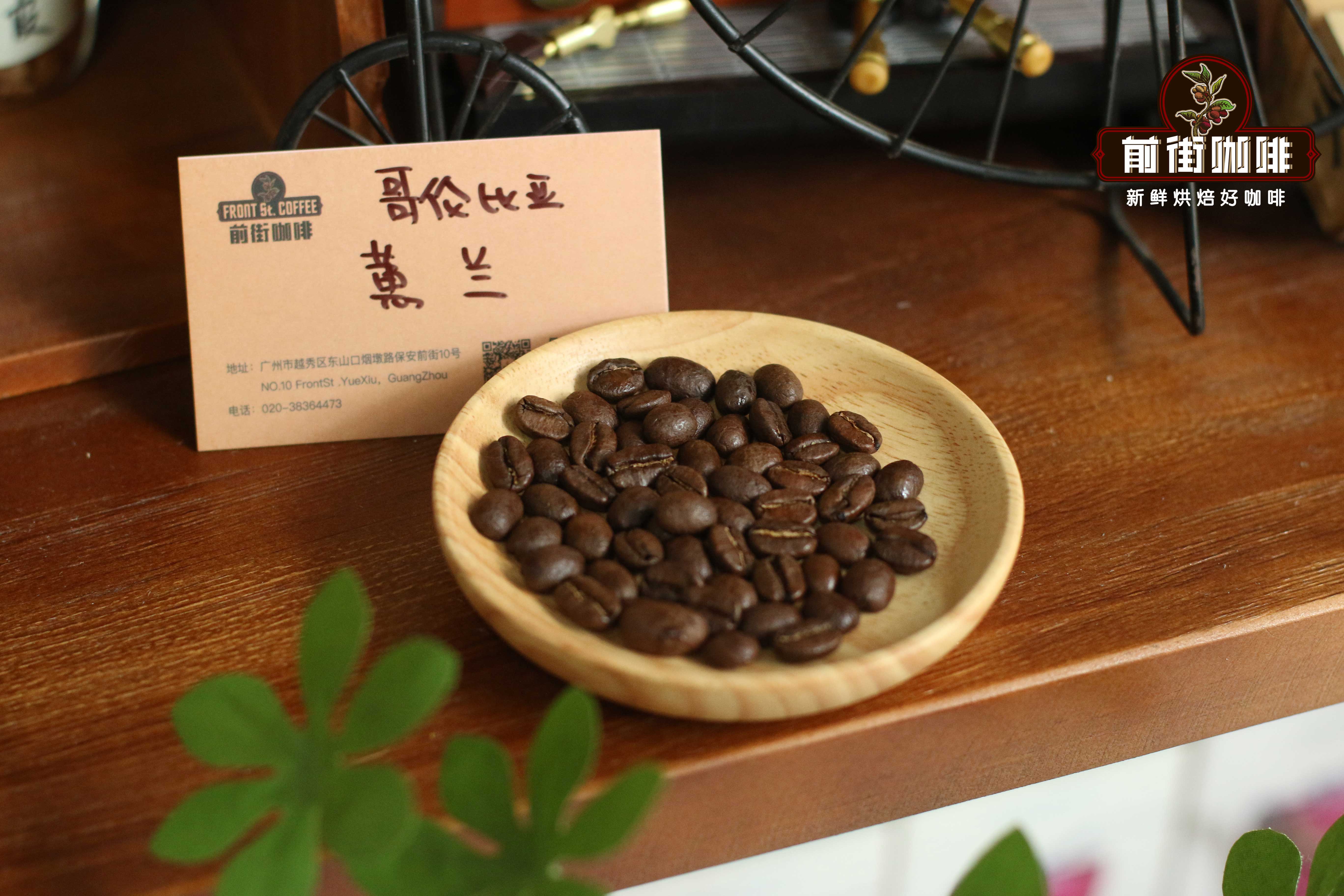
By the late 19th century, coffee had become a major source of foreign exchange for Colombia. However, the subsequent Thousand Days' War severely impacted the industry. After the war, the government redistributed abandoned coffee plantations to landless farmers and encouraged mixed-crop farming, laying the foundation for today’s smallholder-dominated coffee production model. While flexible, this model still lacked sufficient influence in the international market.
To enhance the global competitiveness of Colombian coffee, local growers established the “Coffee Producers Committee” in 1904, which later led to the formation of the Colombian Coffee Federation (FNC) in 1927, following the establishment of the Colombian Coffee Union in 1920. The creation of the FNC not only safeguarded the rights of coffee farmers but also successfully positioned Colombia as the world’s third-largest coffee exporter, earning its coffee an international reputation.
Among the many Colombian coffee-growing regions, the washed beans from the Huila region stand out with their stable dark chocolate flavors and gentle fruit acidity, making them a staple choice for many coffee lovers. In a certain brand’s lineup of everyday beans, the Huila washed beans are a classic example. The washed processing method highlights the core flavor profile of the region, showcasing a rich and full-bodied chocolate character while retaining a moderate level of fruit acidity—perfect for daily enjoyment.
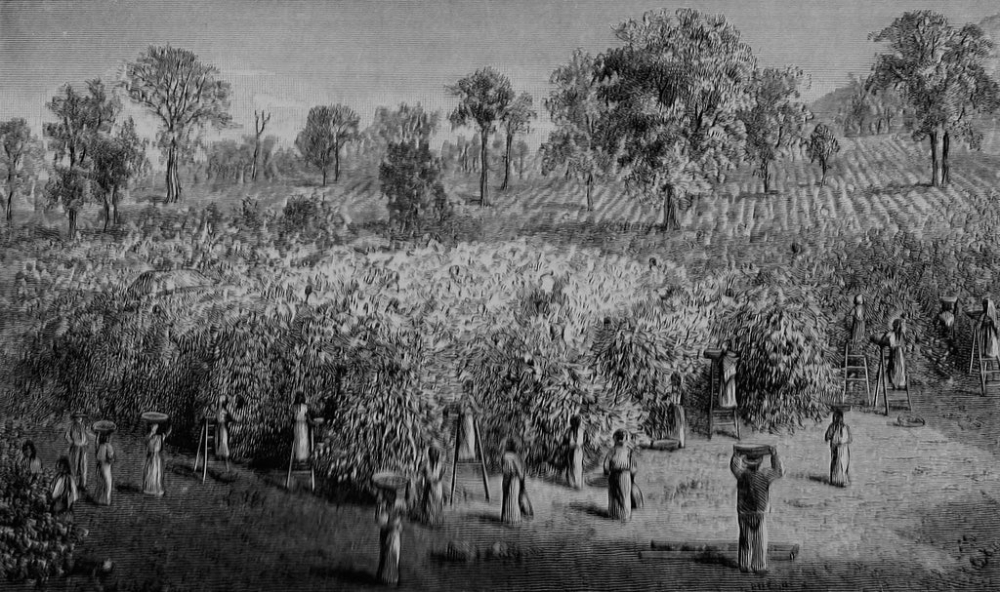
Beyond traditional flavor profiles, Colombian coffee has also shone in the specialty coffee scene, with the sakura beans from Paradise Estate emerging as a rising star in recent years. These beans come from the Cauca region, grown at an altitude of 2,050 meters. The area is known for its significant day-night temperature variation and long coffee fruit maturation period, which contribute to a more complex acidity-sweetness balance and depth. Paradise Estate, taken over by Diego Samuel in 2008, is dedicated to varietal improvement and innovative processing techniques, and has won multiple awards in international cupping competitions.
The Paradise Estate sakura beans are of the Castillo variety and are processed using an innovative double anaerobic washed method. First, the whole coffee cherries undergo an anaerobic fermentation, after which the skin and pulp are removed. Then, the beans with their mucilage layer are subjected to a second anaerobic fermentation, followed by washing and sun drying. This process enhances fruity sweetness and fermentation complexity, resulting in a richer and more dynamic coffee flavor.
A certain brand’s cupping evaluation of these sakura beans revealed a full-bodied flavor profile with distinct notes of basil and rosemary, along with a subtle strawberry jam-like sweetness in the aftertaste. To fully highlight the bean’s characteristics, the roaster opted for a medium roast to balance aroma and taste. For brewing recommendations, the Hario V60 filter is suggested, with water temperature controlled at 90°C, a coffee-to-water ratio of 1:15, and a grind size equivalent to 80% passing through a Chinese standard No. 20 sieve.
For specific brewing steps, it is recommended to start by pouring 30 grams of hot water for a 30-second bloom to release CO₂ and ensure smooth extraction. Then, slowly pour water in a circular motion from the center to reach 125 grams. When the water level is about to expose the coffee bed, continue pouring to reach 225 grams, with a total brew time of around 2 minutes. Additionally, note that coffee beans within 5 days of roasting contain higher CO₂ levels, so the bloom time can be slightly adjusted based on the "hamburger state" to achieve optimal flavor expression.
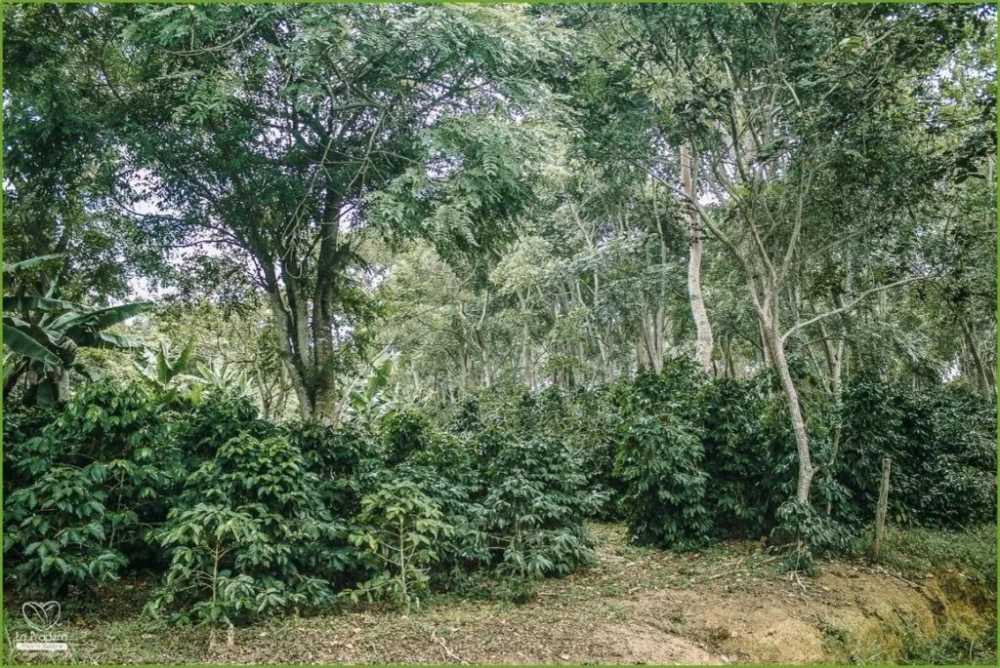
In summary, Colombian coffee—from the classic Huila washed beans to the innovative Paradise sakura beans—demonstrates a diverse range of flavor potential. Whether you prefer the rich chocolatey notes or enjoy exploring the complex layers of berries and spices, Colombia offers a wealth of choices. By understanding regional characteristics and processing techniques, and using appropriate brewing parameters, you can delve deeper into the endless charm of this classic origin.
The above content is compiled by CoffeeHunters, a coffee news website.


