








Introduction:As the birthplace of coffee, Ethiopia boasts a rich diversity of growing regions and processing methods, resulting in unique fruit acidity and floral-fruity aromas. This article delves into the flavor profiles of major regions such as Yirgacheffe and Sidamo, compares the differences between natural and washed processing methods, and offers practical pour-over brewing tips to help coffee enthusiasts explore the charm of African beans.
Ethiopia is regarded as the cradle of coffee, with its territory spanning multiple regions of significant altitude variation. Each area, shaped by microclimates and soil conditions, produces coffee with distinctly unique characteristics. Compared to the pricey Panamanian Geisha, Ethiopian beans—offering friendly pricing and vibrant fruit acidity—serve as an accessible entry point for many into the world of specialty coffee.
From the delicate floral notes of Yirgacheffe to the bold berry tones of Sidamo, regional differences directly shape the flavor profile.Image placeholder: These distinctive traits often secure Ethiopian beans a prominent spot on coffee lovers’ shelves, and their diversity ensures every cup feels like a new adventure.
The division of Ethiopian coffee regions has a complex history, with slight variations across maps from different institutions. Commonly recognized major regions include Yirgacheffe, Sidamo, Harrar, and Guji. Although part of Sidamo was elevated to the Sidama Region in 2020, the definition of its coffee-producing areas still encompasses the original scope.Image placeholder:
In terms of traditional processing methods, the natural (sun-dried) process preserves rich sugars, yielding sweet fruity notes, but early quality control was inconsistent, with beans typically rated no higher than G3. Thanks to reforms in the ECX grading system, stable production of G1-grade natural beans is now achievable. In contrast, the washed process removes the pulp layer, highlighting the coffee’s inherent clean acidity and floral notes—the very qualities that made Yirgacheffe famous worldwide.
Yirgacheffe’s unique flavors led to its distinction from Sidamo as an independent region. Well-known villages like Kochere and Gedeb, even when using the washed method, still exhibit notable flavor differences.Image placeholder: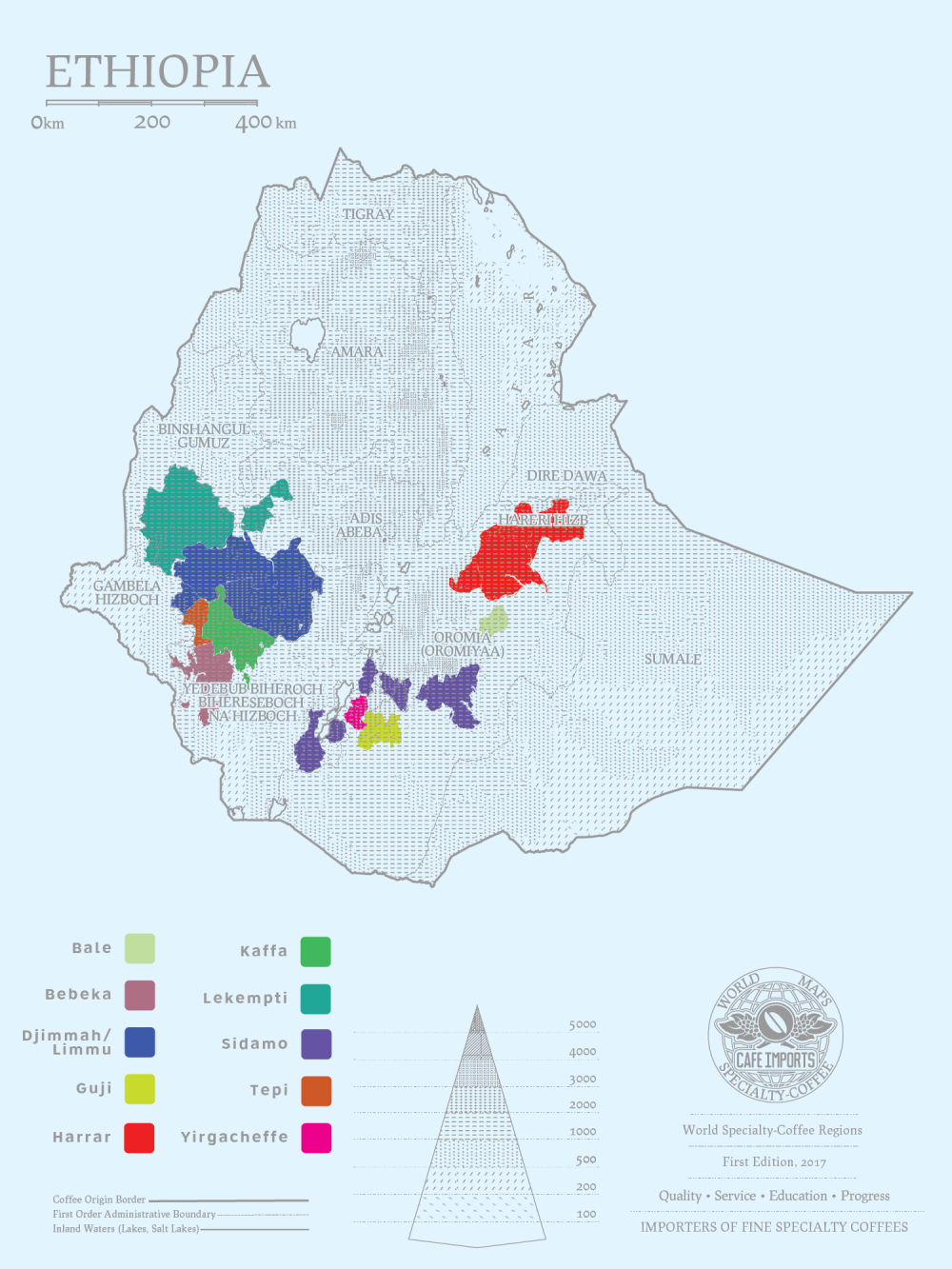 Gedeb beans often present clean citrus notes with a green tea finish, while Kochere excels with bright orange acidity and black tea-like characteristics, showcasing how microenvironments within the same region profoundly influence flavor.
Sidamo’s natural-processed beans are renowned for their wild berry and creamy textures, with the Hambela Flower Mountain series being a classic example. Sourced from the Hambela washing station, this series gained market popularity after earning recognition at the TOH competition in 2017.Image placeholder: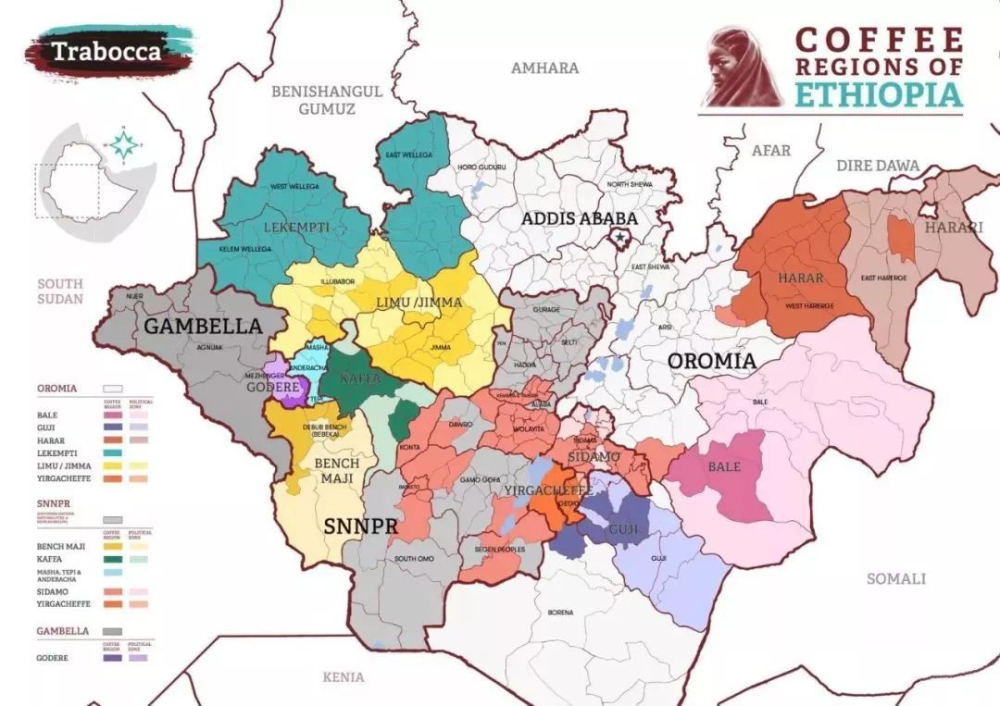 Notably, beans from the same region and harvest year can vary significantly depending on the processing station—for instance, one 2022 batch showcased citrus-honey notes, offering an intriguing contrast to another brand’s berry-honey sweetness.
To optimize the bright acidity of Ethiopian beans, a medium-light roast paired with specific pour-over parameters is recommended:Use a Hario V60 filter, control water temperature at 90°C, maintain a 1:15 coffee-to-water ratio, and grind to a fineness where 80% of particles pass through a #20 sieve.. The brewing process involves: a 30-second bloom with 30g of hot water, followed by pouring in a circular motion centered around the coffee bed until reaching 125g, then progressing to a final pour of 225g to complete extraction, with a total brew time of about 2 minutes. These parameters effectively balance floral-fruit aromas and acidity expression.
Whether you’re a newcomer exploring African beans or an experienced barista, Ethiopia’s diversity always offers endless opportunities for discovery.Image placeholder: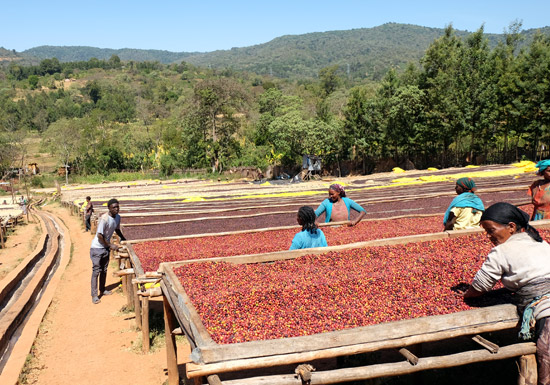 From regional microclimates to innovations in processing methods, every factor influences the final cup’s flavor profile. Understanding these key elements will greatly enhance your tasting depth.
The above content is compiled by CoffeeHunters, a coffee news website.


