







Introduction:Jamaican Blue Mountain coffee is hailed as a classic in the coffee world, but what exactly makes it so captivating? This article delves into the grading of Blue Mountain No. 1, exploring the history of the Clifton Estate, its high-altitude environment, the Typica variety, the washed processing method, and how to use a KONO filter and a three-stage pour over technique to extract its signature rich and balanced flavors. Whether you're new to Blue Mountain or an advanced pour over enthusiast, you'll gain practical advice on bean selection and brewing.
The reason Blue Mountain coffee holds such a unique status in the coffee world isn’t just because of its high price—it’s because it perfectly showcases the precise balance of acidity, sweetness, and bitterness. Many beginners to specialty coffee first encounter the term “Blue Mountain.” But is Blue Mountain really the most expensive or refined coffee? The answer might surprise you. It may not be the priciest option, nor the most complex in flavor profile, yet it is often considered the “benchmark” of a good coffee by many coffee connoisseurs.
I remember in my younger years, when the elders at home talked about coffee, the word “Blue Mountain” was frequently mentioned. Back then, with my limited knowledge of coffee, I only knew it represented an irreplaceable standard of taste. It wasn’t until years later, when I personally brewed a cup of Blue Mountain No. 1 from a well-known brand, that I truly understood that unforgettable richness and aftertaste. That experience led me to explore the story and craftsmanship behind this coffee.
Many people wonder: “What grade does Blue Mountain coffee actually belong to?” In fact, Blue Mountain coffee is divided into No. 1, No. 2, No. 3, Blue Mountain Peaberry, and Blue Mountain Blend, based on production area and processing conditions. Among these, No. 1 is the highest grade, selecting only beans of uniform size with minimal defects, and it best represents the classic flavor of Blue Mountain coffee. These top-tier Blue Mountain beans mainly come from several historic estates in the Blue Mountains of Jamaica, among which the most representative is the Clifton Estate.
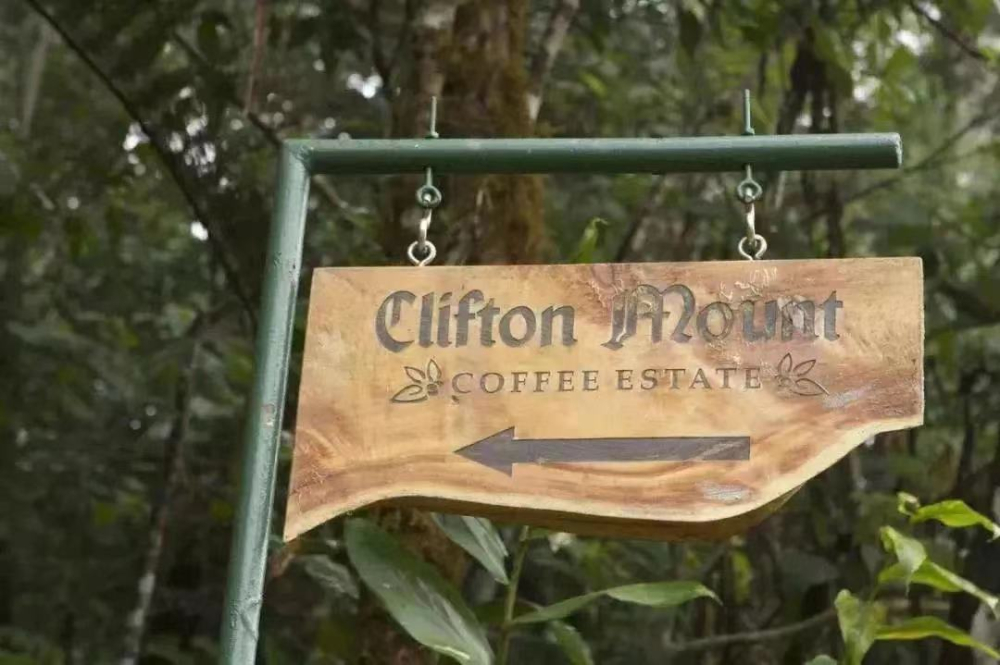
The history of the Clifton Estate dates back to the mid-18th century, around 1750, when coffee cultivation began. The estate is located at an altitude of approximately 1310.64 meters in the Blue Mountain range. Such elevation provides the coffee trees with ample sunlight and gentle afternoon cloud cover, along with mineral-rich soil, creating an ideal growing environment for the coffee cherries. This also contributes to the distinctive richness and balance characteristic of Blue Mountain coffee.

It’s worth mentioning that the Clifton Estate is not only one of the oldest coffee farms in the Blue Mountain region, but also the only coffee estate in Jamaica currently certified by the Rainforest Alliance. This certification emphasizes sustainable agriculture and ecological conservation, requiring farms to meet certain standards in planting, processing, and labor rights to ensure that coffee production goes hand in hand with environmental and social responsibility. This background adds an extra layer of trust and value to the Blue Mountain beans produced by Clifton.
A significant part of Blue Mountain coffee’s excellent quality comes from the Typica variety grown there. This is an ancient Arabica species originating from Ethiopia, known for its elegant flavors and strong adaptability. In addition, local farms have long adhered to the washed processing method, ensuring the cleanliness and purity of the coffee beans from the source. In the Blue Mountain region, after harvesting, the coffee cherries undergo flotation to remove unripe or defective ones, followed by the removal of the skin and pulp, then 12 to 18 hours of fermentation, and subsequent natural drying in the sun. Finally, strict quality control and grading are carried out.
With so many Blue Mountain coffees on the market, how can you confirm you’re buying the genuine product? The key lies in two details: first, Jamaica is the only producing region in the world that exports green beans in wooden barrels, and second, each batch of Blue Mountain coffee must come with an official certification document issued by the Jamaica Coffee Industry Board. Additionally, legitimate wooden barrels usually feature the green frog logo of the Rainforest Alliance, symbolizing Clifton Estate’s compliance with sustainability certification. It’s recommended to carefully check these indicators when purchasing to avoid knock-offs.
To fully showcase the richness and balance of Blue Mountain coffee, one coffee vendor uses medium-dark roasting, which preserves the inherent aromatic layers of the beans while enhancing chocolate and nutty notes. During cupping, the dry aroma reveals nuts, melon, and chocolate, while hot water infusion releases aromas of oolong tea, caramel, honey, and dark chocolate. Upon tasting, one can perceive intense black chocolate, roasted hazelnuts, cream, and brown sugar flavors. The overall profile is clean, rich, and boasts a long-lasting aftertaste.
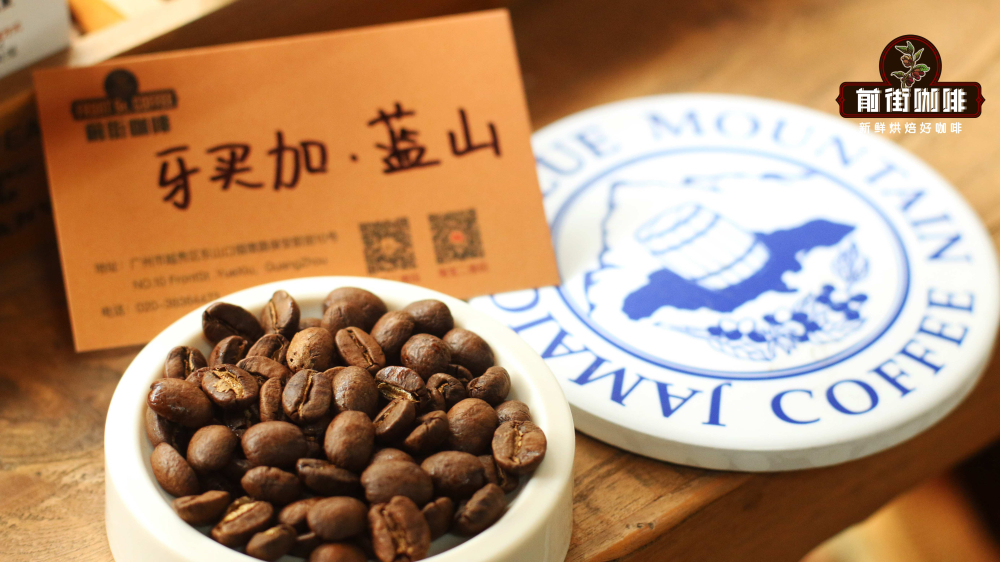
Freshly roasted Blue Mountain coffee beans are best enjoyed within five days of roasting. During this period, the beans are still releasing carbon dioxide, so it’s advisable to let them rest for 2–3 days before brewing pour over to achieve the optimal extraction effect. It’s recommended to use a KONO filter, which has shorter ribs and forms a semi-sealed space between the filter paper and the filter, naturally slowing down the water flow rate and helping to fully extract the rich flavors of medium-dark roasted beans.
For actual pour over brewing, you can refer to the following parameters: water temperature around 88°C, a powder-to-water ratio of 1:15 (e.g., 15 grams of coffee to 225 grams of water), and a grind size recommended to be between 70% to 75% passing through a #20 sieve, equivalent to a medium-fine to medium grind. Use the three-stage pouring method: first pour 30 grams of water for a 30-second bloom, then pour up to 125 grams in the second stage and wait for the water level to drop, and finally pour up to 225 grams in the third stage, with a total extraction time of about 2 minutes and 10 seconds. This method allows the Blue Mountain coffee to exhibit intense black chocolate and caramel aromas at higher temperatures, and reveals delicate sweet notes of cream, hazelnuts, and toffee as the temperature drops, resulting in a rich flavor profile and a long-lasting finish.
The above content is compiled by CoffeeHunters, a coffee news website.


